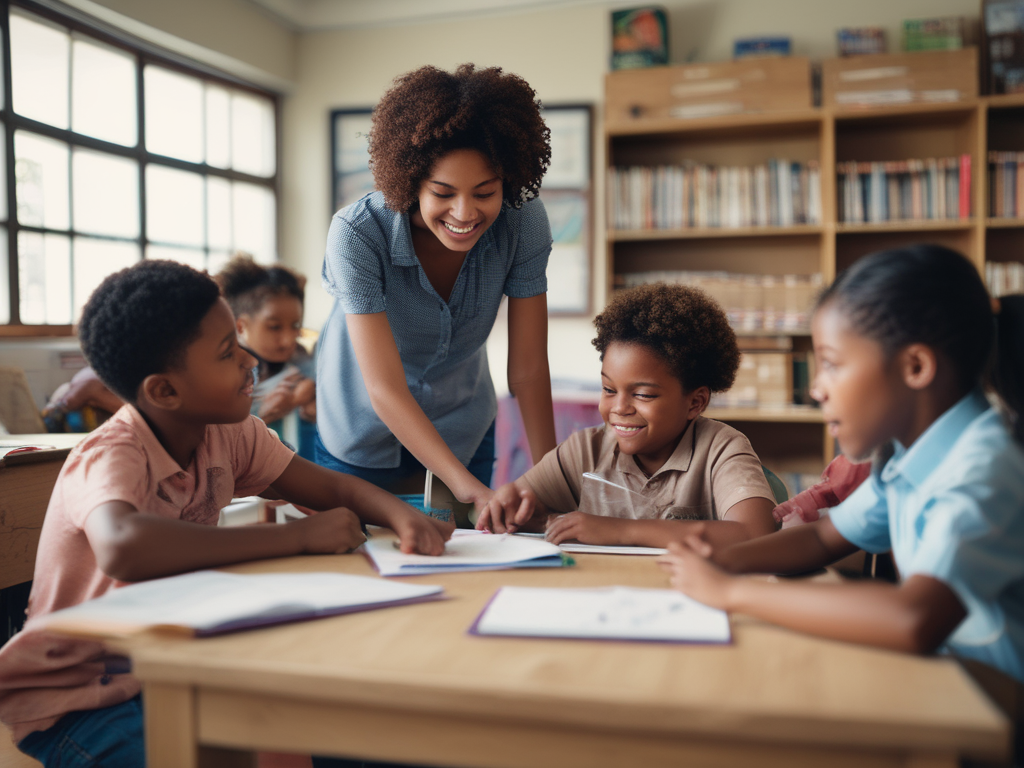
Building positive connections with teachers and peers in the classroom can be critical to the mental health and academic success of children and adolescents. Yet, a new national poll from The Kids Mental Health Foundation, conducted by Ipsos, finds half of parents believe spending too much time on technology and social media hinder children from making meaningful connections as they head into the upcoming school year.
The poll, conducted by Ipsos on behalf of The Kids Mental Health Foundation, highlights top reported challenges for kids in forming classroom connections. According to more than 1,000 parents surveyed across the United States, the top challenges are:
- Social impact of the pandemic (22%)
- Too much time with technology (50%)
- Bullying (30%)

Differences in culture and background can also be a factor, with about one in five parents (19%) reporting children struggle to make connections at school because they don’t feel like they fit in because of their race, ethnicity, culture, socioeconomic status, or gender identity.
“We know connections help foster a sense of belonging and when kids feel like they belong at school, they perform better academically and live healthier lives overall. Belonging is especially important to the adjustment and acculturation of immigrant children,” said Ariana Hoet, PhD, executive clinical director of The Kids Mental Health Foundation and a pediatric psychologist at Nationwide Children’s Hospital. “Technology is not all good or all bad, but parents should look for warning signs if you feel your child’s balance with technology use is affecting their real-world social connections.”
Sign up for the Daily Dose Newsletter and get every morning’s best science news from around the web delivered straight to your inbox? It’s easy like Sunday morning.
Warning signs parents should watch for to help determine whether their child is spending too much time on social media, gaming or other screens include:
- Losing track of time. Check to see if your child is being honest about the amount of time they are spending on devices.
- Being preoccupied/Distracted. Observe if your child urgently feels a need to return to their device(s) or screens during offline activities.
- Isolating. Look for a lack of interest in “real life” social connections and activities.
- Irritability. Watch for signs of anger or irritability while playing (which could include throwing a controller, yelling or breaking things).
- Physical health effects. Keep an eye out for drops in sleep or physical activity, changes in eating patterns or an increased focus on appearance.
- Changes in offline activities. Watch for negative changes to interactions or relationships with family or friends, and decreased school performance.
The survey also finds connection-based concerns for kids include fitting in (14%), making new friends in class (17%), being bullied or excluded (13%), and making new friends in sports and extracurricular activities (5%).
“The good news is that teachers and parents can help increase feelings of belonging in children,” said Dr. Hoet. “However, we have to keep in mind that this may be harder for immigrant parents who may not understand the school system and culture.”
To help children of marginalized or underrepresented groups experience greater feelings of belonging, parents, caregivers and more can:
- Find mentors to model positive behavior. Your child may benefit from connecting with family, friends, relatives or even kids a few years older. Hearing that others who look like your child have successfully navigated high school or college may give them the confidence to increase their sense of belonging.
- Seek out settings where your child fits in. Underrepresented kids may not feel connected at school, but they might enjoy clubs or cultural organizations where they have something in common with others in the room. The more places your child experiences social connectedness, the better.
- Check in with your child. Find out how they’re feeling at school or in other social venues. Make sure they aren’t experiencing online bullying or receiving negative feedback on social media, because hurtful online experiences can harm a child’s real-world perception of belonging. Take time to help kids who feel like they don’t fit in.
The Kids Mental Health Foundation, founded by Nationwide Children’s, provides expert-backed content for parents, caregivers and teachers. Resources like Signs Your Child is Stuck on Screens, Talking to Kids about Social Media, Why School Belonging Matters, Boosting School Connections and 10 Ways to Combat Bullying, can help teachers and caregivers increase the protective factors around children, like school belonging and adult-child connections, and boost the mental health of young students.
If you enjoy the content we create and would like to support us, please consider becoming a patron on Patreon! By joining our community, you’ll gain access to exclusive perks such as early access to our latest content, behind-the-scenes updates, and the ability to submit questions and suggest topics for us to cover. Your support will enable us to continue creating high-quality content and reach a wider audience.
Join us on Patreon today and let’s work together to create more amazing content! https://www.patreon.com/ScientificInquirer



Leave a Reply