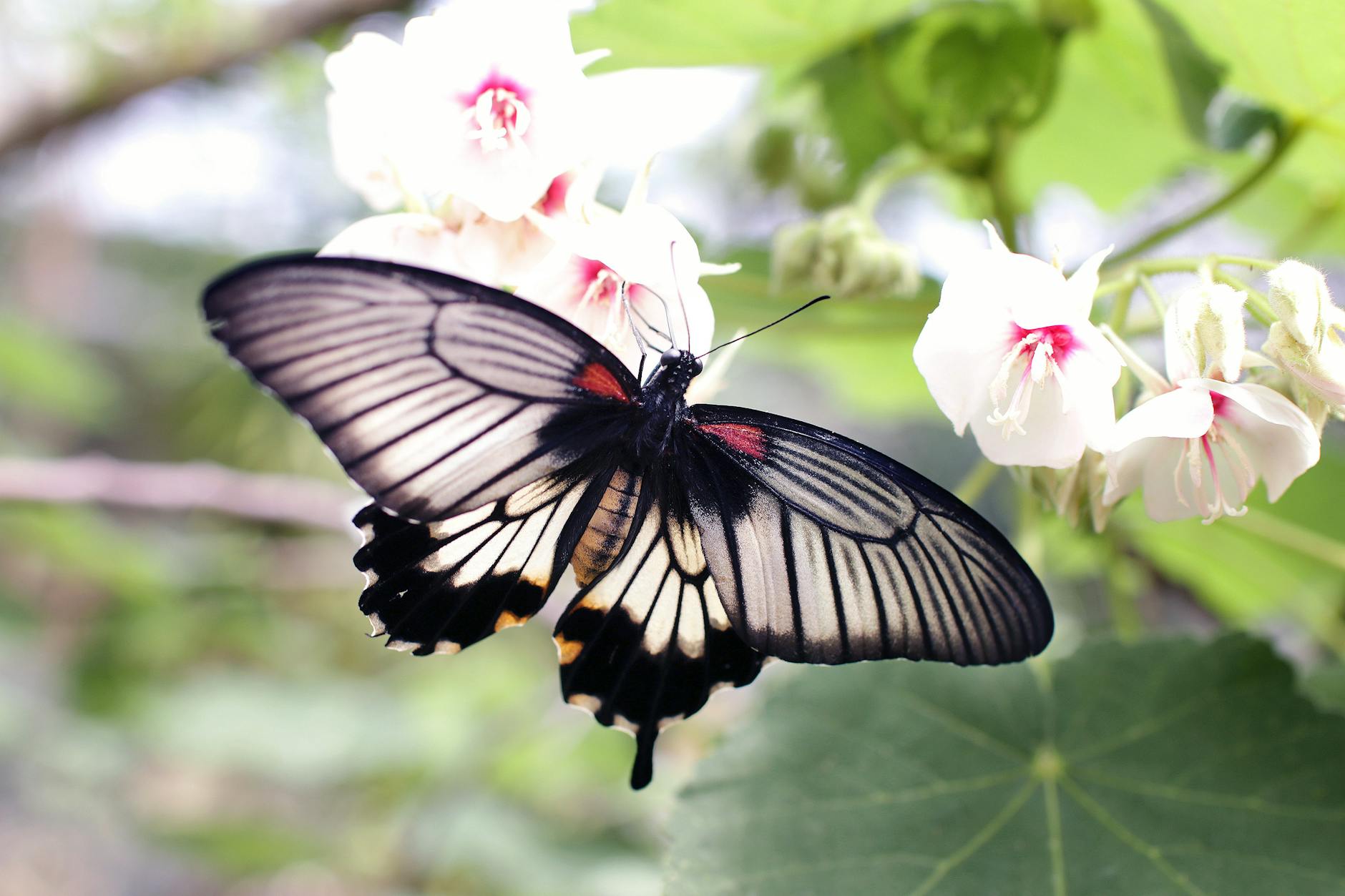
Insecticide use is a major factor causing a decrease in the size and diversity of butterfly populations across the US Midwest, reports Braeden Van Deynze of the Washington Department of Fish and Wildlife and colleagues in a new study published June 20 in the open-access journal PLOS ONE.
Like many insects, butterfly populations worldwide are in decline. Experts have pointed to habitat loss, climate change and pesticides as likely factors contributing to the problem, but the primary drivers of this troubling trend remain murky. In the new study, researchers analyzed 17 years of data on land use, climate, pesticide application, and butterfly populations across 81 counties in five states in the Midwest. They identified the biggest factors impacting butterfly populations.

The researchers found that insecticide use was most strongly linked not only to declines in the size of butterfly populations, but also to the number of species living in each region, causing an 8% drop in diversity. Specifically, crop seeds treated with neonicotinoid insecticides appeared to have the largest impact. This pesticide was also the most important factor explaining the decline in populations of the popular and well-studied monarch butterfly in the Midwest.
The study shows that the shift from reactive insecticides, which are applied after an infestation begins, to a prophylactic insecticide applied to crop seeds has had a negative effect on butterfly diversity and population sizes in the Midwest. The researchers call for publicly available, reliable, comprehensive and consistently reported pesticide use data, particularly for neonicotinoid seed treatments. They say this data is needed to fully understand the causes of butterfly decline.
The authors add: “We have taken a large step toward pinpointing the cause of decades of butterfly declines. Of the three causes typically invoked, insecticides rise above climate and land use changes as the most negative factors.”
IMAGE CREDIT: JÉSHOOTS




Leave a Reply