A Curtin University study has revealed breeding less-flatulent cows and restoring agricultural land could significantly reduce rising methane emission levels, which play a considerable role in climate change.
The food system, including grazing animals such as cows, generates major sources of methane mainly due to cattle digestion, manure decomposition and land use for grazing.

To look for solutions, researchers from the Curtin University Sustainability Policy Institute analysed 27 academic publications and identified dozens of potential strategies to reduce methane emissions from Australia’s beef and dairy sectors.
Study lead Merideth Kelliher said the fastest way to lower methane emissions would be to convert farmland into wetlands and forests, however there was a lot of scope for improvement by altering the operations of the dairy and beef sectors.
Sign up for the Daily Dose Newsletter and get every morning’s best science news from around the web delivered straight to your inbox? It’s easy like Sunday morning.
“For example, changing what breeding objectives include can permanently reduce methane production,” Ms Kelliher said.
“Studies have found low emission cattle have inheritable genetic traits which can significantly reduce methane production if included in national breeding objectives.
“While more research is needed to identify the best traits for low emission cows, consideration should also be given to land use emissions and identifying suitable agricultural land for restoration to natural habitat.”
Other strategies to emerge from the study include finding ways for cows to reach maturity faster, improving wastewater management at beef processing plants and providing ozonated water (water treated with ozone gas to remove impurities), feeding cattle more grains than grass and adding certain legumes, seaweeds or other compounds to cattle feed.
Co-author and Curtin Professor of Sustainability Dora Marinova said this was the first time such analysis had been conducted and was important given methane emissions are increasing along with global demand for beef and dairy products.
“As the world’s second biggest beef exporter, Australia contributes to global methane levels significantly,” Professor Marinova said.
“Despite being a signatory of the Paris Agreement to reduce greenhouse emissions and a supporter of the Global Methane Pledge, Australia is yet to commit to methane reduction targets.
“Australia needs to explore ways to meet its objectives — this study outlines several potential strategies which are practical, cost-effective and scientifically supported to help inform local and international policy makers’ efforts to reduce the impact of climate change.”
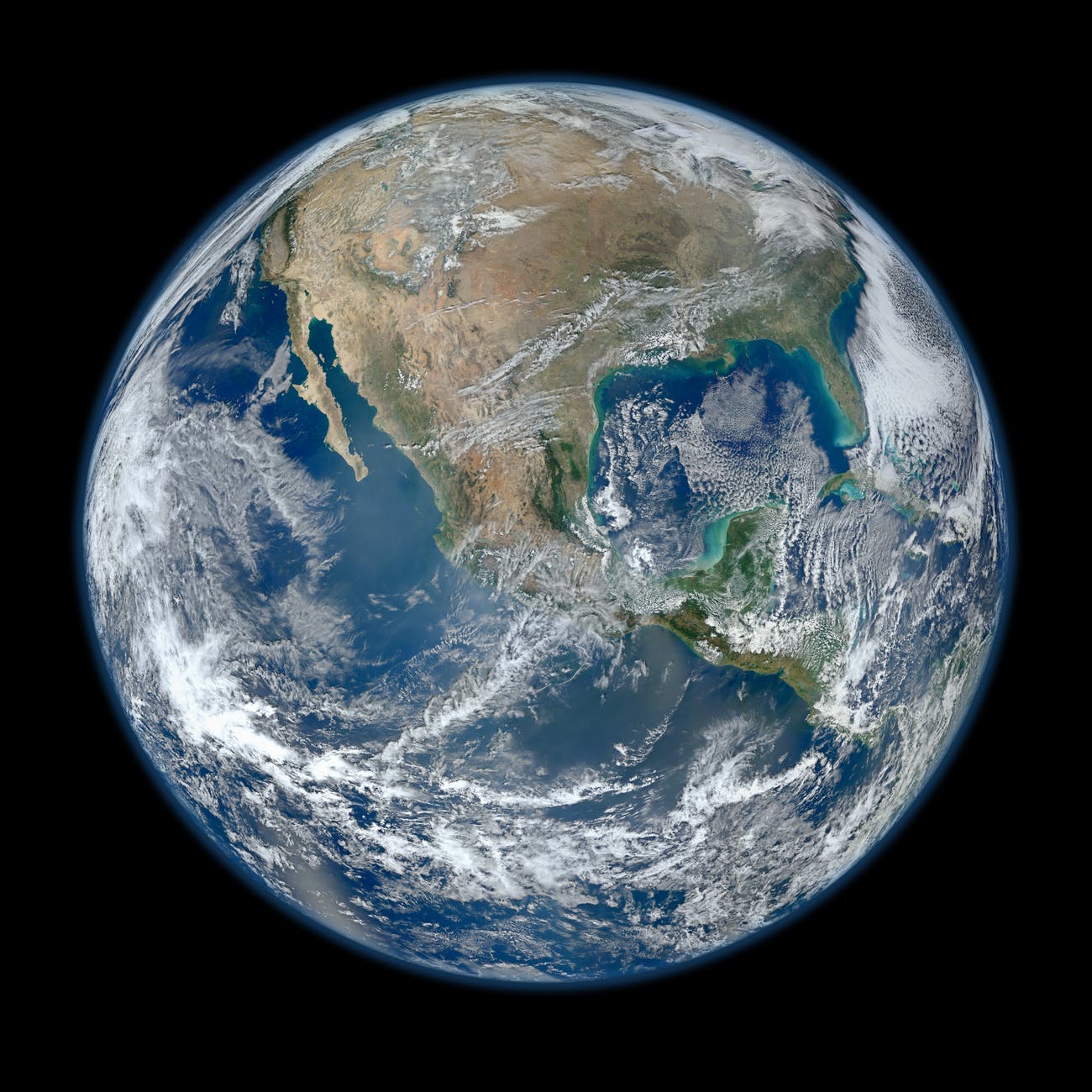
IMAGE CREDIT: NASA.
If you enjoy the content we create and would like to support us, please consider becoming a patron on Patreon! By joining our community, you’ll gain access to exclusive perks such as early access to our latest content, behind-the-scenes updates, and the ability to submit questions and suggest topics for us to cover. Your support will enable us to continue creating high-quality content and reach a wider audience.
Join us on Patreon today and let’s work together to create more amazing content! https://www.patreon.com/ScientificInquirer

Leave a Reply