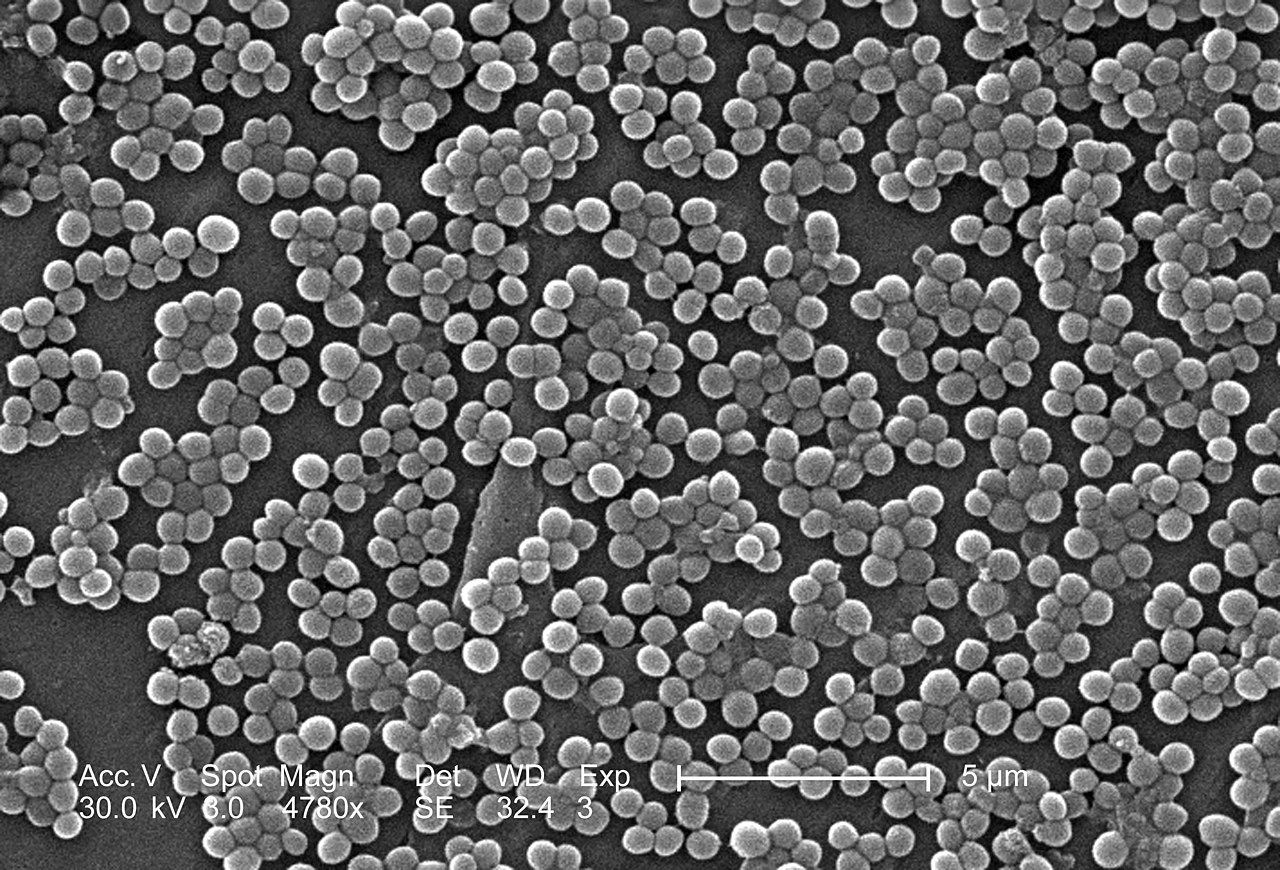
Antibiotic-resistant bacteria get extra nutrients and thrive when the drugs kill ‘good’ bacteria in the gut.
This is according to new research led by Imperial College London scientists, which could lead to better patient risk assessment and ‘microbiome therapeutics’ treatments to help combat antibiotic-resistant bacteria.
Some antibiotics target specific bacteria, but some are ‘broad spectrum’, meaning they can kill a wide range of bacteria including both ‘bad’ pathogenic bacteria that cause infections and ‘good’ bacteria that live in our guts and help with digestion and other processes.
Carbapenems are broad-spectrum antibiotics that are strong but often used as a last resort, due to their negative impacts on beneficial bacteria. Some pathogenic bacteria in the class Enterobacteriaceae however are even resistant to carbapenems, including strains of E. coli. These pathogenic bacteria colonise the gut but can spread to other sites in the body, causing difficult-to-treat infections such as bloodstream infections or recurrent urinary tract infections.
Now, a new study shows how these resistant bacteria thrive after antibiotic use, allowing them to multiply in the gut, forming a ‘reservoir’ of disease-causing bacteria. The results are published in Nature Communications.

To determine the effect of antibiotics, the team tested them on samples of human faeces in the lab, alongside experiments in mice and lab tests of carbapenem-resistant Enterobacteriaceae (CRE).
Bacteria in the gut, whether ‘good’ or ‘bad’, need nutrients to grow and reproduce. The experiments showed that when antibiotics killed beneficial bacteria, the pathogenic bacteria were able to take advantage of the extra nutrients available due to less competition.
The team also showed that killing beneficial bacteria reduced the level of metabolites – waste products that inhibit pathogenic bacteria from growing further. This helped the pathogenic bacteria to thrive.
First author Alexander Yip, from the Centre for Bacterial Resistance Biology in the Department of Life Sciences at Imperial, said: “Understanding how antibiotics cause carbapenem-resistant Enterobacteriaceae to grow in the intestine means that we can develop new treatments to restrict their growth in the intestine, which will lead to a reduction in these antibiotic-resistant infections.”
Microbiome therapeutics
The team are now working on ways to interfere with this process. First, they want to identify which beneficial bacteria can ‘out-compete’ pathogenic bacteria in the absence of antibiotics: which good bacteria are able to make better use of the same nutrients and produce metabolites that restrict pathogenic bacterial growth.
With this information they hope to create ‘microbiome therapeutics’. Lead researcher Dr Julie McDonald, from the Department of Life Sciences at Imperial, explained: “When a patient is taking antibiotics we could give them inhibitory metabolites to restrict the growth of resistant bacteria. After a patient has stopped taking antibiotics we could give them a mixture of beneficial gut bacteria to help their gut microbiome recover, restore depletion of nutrients, and restore production of inhibitory metabolites.
“These microbiome therapeutics could reduce the risk of patients developing invasive antibiotic resistant infections, reduce the recurrence of invasive CRE infections in chronically colonised patients, and reduce the spread of CRE to susceptible patients.”
In the short term, the researchers say their results could be used to help reduce the risk of patients harbouring reservoirs of CRE in their guts. For example, clinicians could avoid prescribing antibiotics that elevate certain nutrients and deplete certain metabolites. Doctors could also screen patient faecal samples for these nutrients and metabolites, to identify those at increased risk of CRE colonisation.
IMAGE CREDIT: CDC.
Sign up for the Daily Dose Newsletter and get the morning’s best science news from around the web delivered straight to your inbox? It’s easy like Sunday morning.




Leave a Reply