A new study zooming in on how smartphones influence our photography habits found Australians aged 20 to 40 years old take more selfies than teenagers and older Australians.
The research, from RMIT University and the Pathshala South Asian Media Institute, studied over 1,200 smartphone photos taken during a two-week period by 30 participants and found older participants overall took more photos than teenage participants.

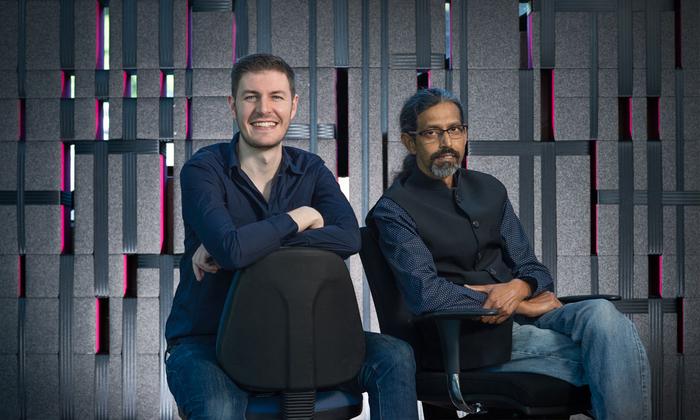
Research lead and RMIT Senior Lecturer Dr TJ Thomson said older participants often used their smartphone cameras in more functional ways, such as capturing information at work.
“One of the participants in the study was a vet who said he frequently photographed within the surgery environment and would show relevant photos and discuss findings with his clients after procedures,” said Thomson, from RMIT’s School of Media and Communication.
Sign up for the Daily Dose Newsletter and get every morning’s best science news from around the web delivered straight to your inbox? It’s easy like Sunday morning.
Teenage participants were less likely to take photos when alone, preferring to take photos when something exciting was happening, such as travelling, at a festival or hanging out with friends.
While school phone bans could also impact photographic opportunities for teenagers, Thomson said social media added another layer of complexity.
“Photos made in apps such as Snapchat, which is most popular with younger cohorts, aren’t saved to the camera roll,” he said.
“As younger cohorts are the heaviest mobile app users, overall, it’s possible they are making more ‘ephemeral’ images that disappear after a period rather than ‘permanent’ ones that might be stored in a camera roll, in contrast to older populations.”
Shaping our preferred photographic orientation
Thomson’s research found social media in general had a strong influence on how Australians see the world.
While landscape orientation has typically been the default orientation for visual media, over 67% of the photos in the study were taken with vertical framing.
“Australians spend, on average, about two hours on social media each day and many of the most popular social media apps, including TikTok, Instagram, and Facebook, are all built in vertical orientation,” Thomson said.
“This means that you’re implicitly learning how to see the world through a vertical frame when you’re consuming social media content and use that same vertical framing to share your vision with the rest of the world.”
Thomson also said some participants used vertical orientation because it was easier and quicker for them to take photos.
Older participants said holding a smartphone vertically instead of horizontally was more comfortable.
Edited images for online viewing
The research also found only 2% of images studied had had been edited, with 73% of the edited images made by women or girls.
“Our society does place more pressure on girls and women to look a certain way and their image editing practices reflect those gender double standards,” Thomson said.
“However, women’s editing practices, such as cropping out details about where they live, can also be informed by privacy or safety concerns.”
Younger participants preferred to retake photos to achieve their desired effect, while teenage participants said they edited images if they were being posted online.
“We publicly share only a tiny fraction of the images we make on our smartphones, so it’s fair to assume that people would only spend time editing images that others could see,” Thomson said.
“Beyond edits such as filters, crops, vignettes, or changes to brightness or saturation, edits that affect only a part of the image are harder to do well with our fingers on smaller phone screens.
“Those who are trying to do more fine-grained editing reported using a computer so they could enjoy a larger screen and more sensitive control through a mouse or stylus.”
With smartphone technology constantly evolving, the next phase of Thomson’s research will look at AI-generated images and the implications for those who make and see them.
“I’ll be researching how people encounter false or misleading content online and how visual news is made in regional and rural parts of Australia,” Thomson said.
IMAGE CREDIT: Anthony Weate
If you enjoy the content we create and would like to support us, please consider becoming a patron on Patreon! By joining our community, you’ll gain access to exclusive perks such as early access to our latest content, behind-the-scenes updates, and the ability to submit questions and suggest topics for us to cover. Your support will enable us to continue creating high-quality content and reach a wider audience.
Join us on Patreon today and let’s work together to create more amazing content! https://www.patreon.com/ScientificInquirer




Leave a Reply