HAVE YOUR SAY.
Join us in The Bullpen, where the members of the Scientific Inquirer community get to shape the site’s editorial decision making. We’ll be discussing people and companies to profile on the site. On Wednesday, October 12 at 5:30pm EST, join us on Discord and let’s build the best Scientific Inquirer possible.
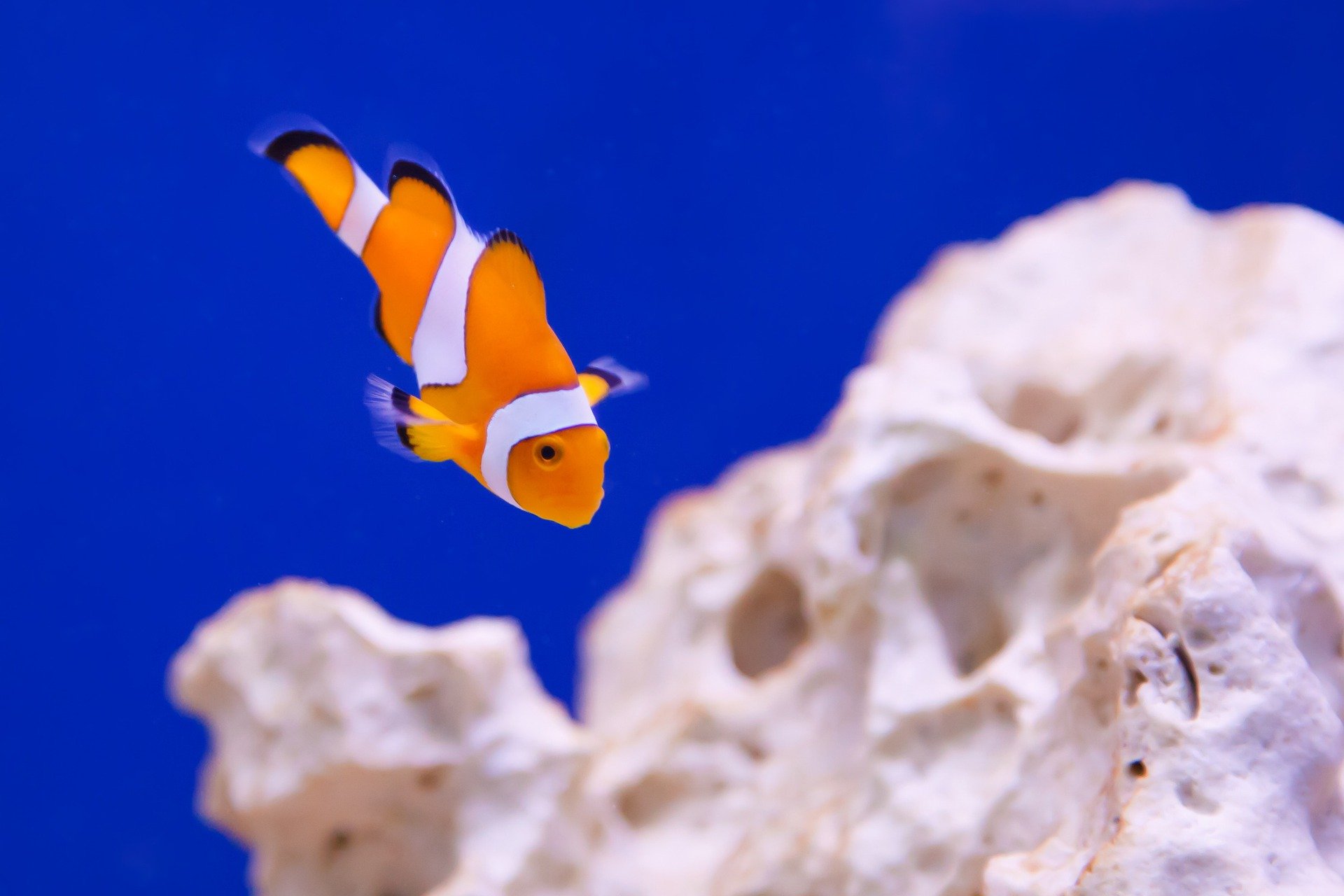
Shallow reefs and the creatures that inhabit them are changing due to rising ocean temperatures, but these impacts have been obscured by a lack of comprehensive local data. A team of researchers in Australia has been tracking changes in the country’s reefs for over a decade, and in research publishing September 22 in the journal Current Biology they describe how they used fine-scale data to illustrate how warming waters impact tropical and temperate reef fish communities differently.
“Reefs provide a ton of benefits to people, from food, livelihoods, recreation, physical protection from storms, and I dare say even happiness and inspiration,” says lead author Rick Stuart-Smith (@RickStuartSmith), a marine ecologist at the University of Tasmania. “We specifically considered the fishes that live on reefs, as these are important for many of those aspects, and also help maintain the natural ecological function of the reefs.”
The Reef Life Survey, which Stuart-Smith created with co-author Graham Edgar to help the world understand what is happening with Australia’s reefs, collects data globally. For this study, the Australian Reef Life Survey data were combined with that from two other major reef monitoring programs. “The two other datasets we used are amongst the longest running of any reef biodiversity monitoring programs globally,” says Stuart-Smith. “The combination of these datasets provided a more comprehensive picture of what is happening on reefs than would be imaginable for any other continent.”

The research teams looked at habitat change – coral bleaching, for example – and temperature change and found that impacts varied depending on the reef’s location. Fishes on temperate and subtropical reefs appeared to show the signs of temperature change more, and tropical reef fishes seemed to be more affected from habitat change. After a 2011 marine heatwave warmed waters in southwestern Australia, temperate reefs saw an influx of tropical fishes that hung around for years after the event.
The team also examined how a loss of coral and kelp cover resulted in less unique fish populations. Regions in northeastern Australia showed evidence of habitat degradation that has led to fish populations dominated by generalist species, rather than niche species adapted to specific habitats.
Stuart-Smith hopes that this research will encourage more widespread, standardized, and coordinated local research, which can then be better used to evaluate global trends. The team also calls for more climate-related reef research. “Climate change clearly has a huge impact on marine biodiversity, with changes we observed around the Australian continent over short time scales indicating that much larger changes are likely over the next half century as ocean warming progresses,” write the authors.
IMAGE CREDIT: PublicDomainPictures from Pixabay



Leave a Reply