HAVE YOUR SAY.
Join us in The Bullpen, where the members of the Scientific Inquirer community get to shape the site’s editorial decision making. We’ll be discussing people and companies to profile on the site. On Wednesday, August 31 at 5:30pm EST, join us on Discord and let’s build the best Scientific Inquirer possible.
The passage of time was altered for many people during the COVID-19 pandemic, ranging from difficulty in keeping track of days of the week to feeling that the hours themselves rushed by or slowed down. In prior work, these distortions have been associated with persistent negative mental outcomes such as depression and anxiety following trauma, making them an important risk factor to target with early interventions, according to a study by University of California, Irvine researchers.
The study, recently published online in the journal Psychological Trauma: Theory, Research, Practice, and Policy, documents how pervasive the experience, known as “temporal disintegration” in psychiatric literature, was in the first six months of the pandemic. The team also found that pandemic-related secondary stresses such as daily COVID-19-related media exposure, school closures, lockdowns and financial difficulties were predictors of distortions in perceived time.
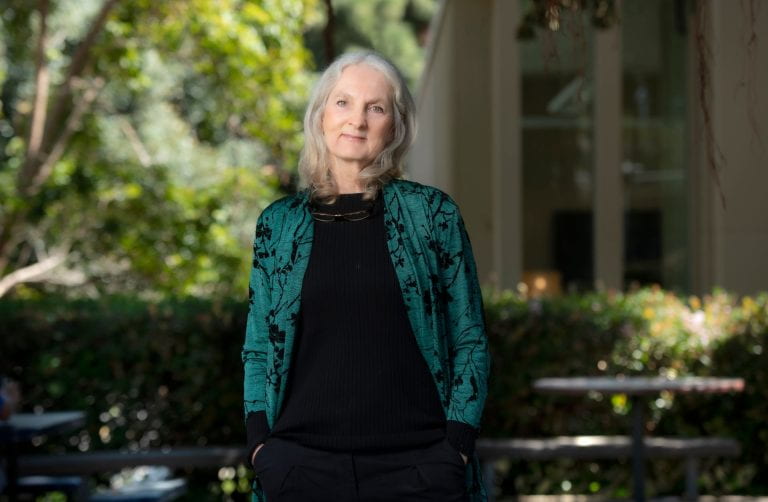
“Continuity between past experiences, present life and future hopes is critical to one’s well-being, and disruption of that synergy presents mental health challenges,” said corresponding author E. Alison Holman, UCI professor of nursing. “We were able to measure this in a nationally representative sample of Americans as they were experiencing a protracted collective trauma, which has never been done before. This study is the first to document the prevalence and early predictors of these time distortions. There are relatively new therapies that can be used to help people regain a more balanced sense of time, but if we don’t know who is in need of those services, we can’t provide that support.”

Researchers assessed results of responses regarding distorted time perceptions and other pandemic related experiences from a probability-based national sample of 5,661 participants from the National Opinion Online Research Center AmericaSpeak panel. Surveys were conducted during March 18-April 18, 2020 and Sept. 26-Oct. 26, 2020 with respondents who had completed a mental and physical health survey prior to the COVID-19 outbreak.
“Given that distortions in time perception are a risk factor for mental health problems, our findings have potential implications for public health. We are now looking at temporal disintegration, loneliness, and mental health outcomes over 18 months into the pandemic,” Holman said. “This will help us gain insight into how these common experiences during the pandemic work together, so we can better understand how to help people struggling with these challenges.”
The UCI team included Nickolas M. Jones, psychological sciences postdoctoral researcher; Roxane Cohen Silver, Distinguished Professor of psychological science, medicine and health; and Dana Rose Garfin, assistant adjunct professor of nursing and public health, who is now with the UCLA Fielding School of Public Health.
IMAGE CREDIT: University of California, Irvine.



Leave a Reply