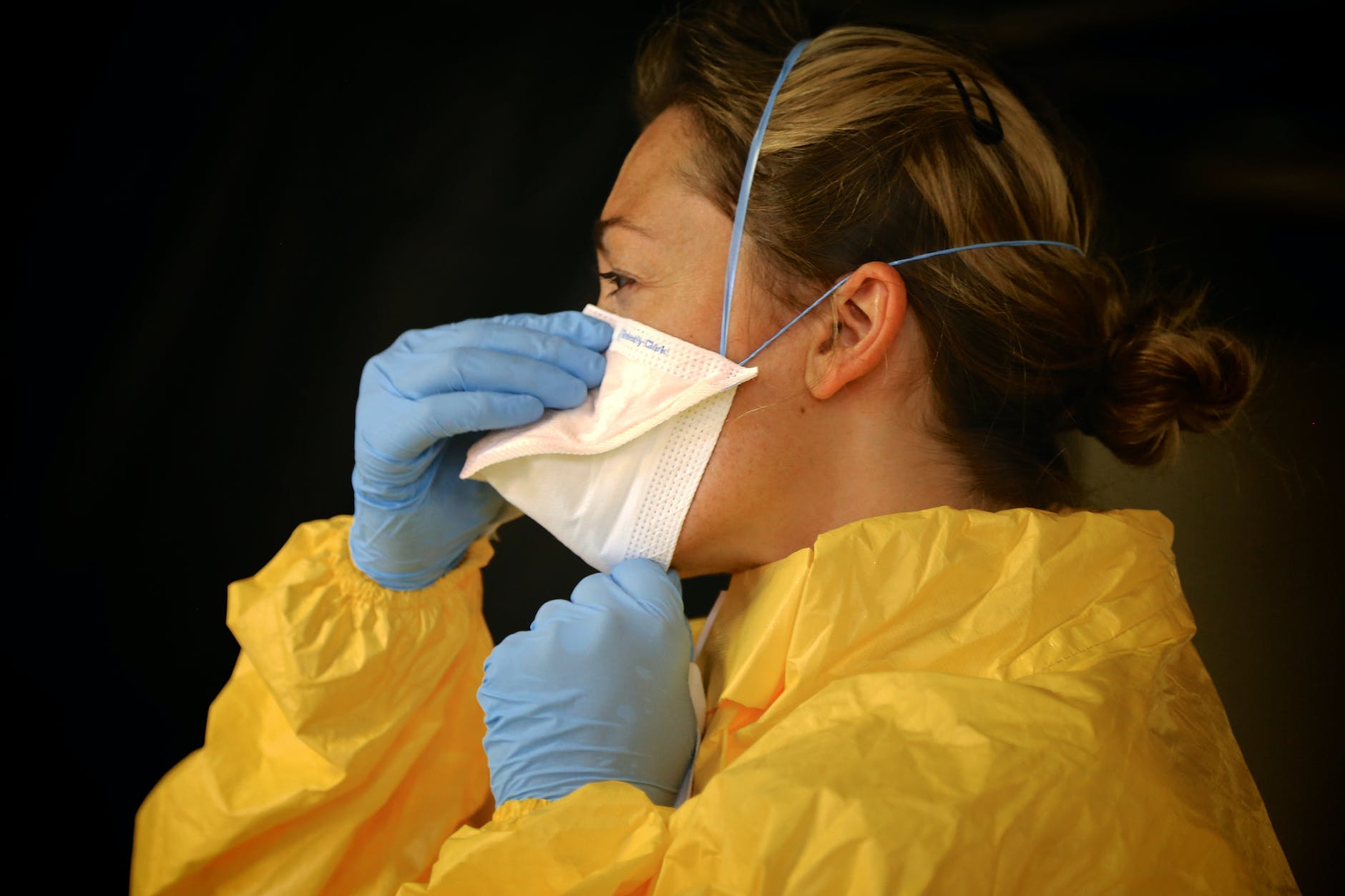
A qualitative study by researchers from Flinders University and the University of Southern Queensland has investigated nurses’ perceptions of the support they receive after incidences of workplace violence.
Hospital support following a violent incident was perceived by the interviewed nurses as being inadequate, and the nurses felt unsupported immediately following an incident.
Nurses said they also felt exposed to litigation by violent patients who may press charges against nurses who had defended themselves in incidents.
HAVE YOUR SAY.
Join us in The Bullpen, where the members of the Scientific Inquirer community get to shape the site’s editorial decision making. We’ll be discussing people and companies to profile on the site. On Wednesday, August 3 at 5:30pm EST, join us on Discord and let’s build the best Scientific Inquirer possible.
“What the nurses told us in these interviews reflects the lack of support that nurses experience from their organization following an incidence of workplace violence,” says author Dr Hila Dafny from Flinders University’s College of Nursing and Health Sciences.
“Support is needed immediately to empower nurses to be able to continue their caring role. We found that often support was not provided, nor were nurses aware of the support services available. Although personal family and friends were a valuable support, most nurses were reluctant to disclose their experiences to protect them.”
The researchers conducted focus group interviews with 23 nurses working in a regional Queensland Hospital, which found that the primary source of support for nurses after a violent incident was from other nurses.
Previous studies into violence in nursing and midwifery have found that nearly half (48%)
of participants who experienced a workplace violence incident in the preceding 6 months were dissatisfied with their employers’ response. About two thirds (67%) were not provided with adequate information, support or follow up.
The new research found that strong support came from fellow nurses during and after a violent incident, but acknowledge that this is not a formal process. One study participant said “we have to support each other because that is all we have, especially senior staff members”.
The nurses says they are looking for strong support from their managers, but those who are working in disjointed teams say there is minimal interaction between management and frontline nurses.
“The findings from this study with regional nurses demonstrates a lack of adequate support required to cope with workplace violence incidences,” says Dr Dafny.
The study’s authors say that Nursing Management must address problems immediately after any incidence of workplace violence.
“They need to provide appropriate effective support, which may mitigate the enduring impacts of experiencing violence,” says Dr Dafny.
“There is a need for hospital management to provide effective support services and improve staff awareness of available support services.”



Leave a Reply