The p53 protein protects our cells from cancer and is an interesting target for cancer treatments. The problem is, however, that it breaks down rapidly in the cell. Researchers at Karolinska Institutet in Sweden have now found an unusual way of stabilising the protein and making it more potent. By adding a spider silk protein to p53, they show that it is possible to create a protein that is more stable and capable of killing cancer cells. The study is published in the journal Structure.

P53 plays a key role in the body’s defence against cancer, in part by discovering and preventing genetic mutations that can lead to cancer. If a cell is lacking functional p53, it quickly becomes a cancer cell that starts to divide uncontrollably. Researchers around the world are therefore trying to develop cancer treatments that in some way target p53.
“The problem is that cells only make small amounts of p53 and then quickly break it down as it is a very large and disordered protein,” says the study’s last author Michael Landreh, researcher at the Department of Microbiology, Tumor and Cell Biology, Karolinska Institutet. “We’ve been inspired by how nature creates stable proteins and have used spider silk protein to stabilise p53. Spider silk consists of long chains of highly stable proteins, and is one of nature’s strongest polymers.”
In a collaborative project with, amongst others, Jan Johansson and Anna Rising at KI’s Department of Biosciences and Nutrition, who use spider silk in their research, the researchers attached a small section of a synthetic spider silk protein onto the human p53 protein. When they then introduced it into cells, they found that the cells started to produce it in large quantities. The new protein also proved to be more stable than ordinary p53 and capable of killing cancer cells. Using electron microscopy, computer simulations, and mass spectrometry, they were able to show that the likely reason for this was the way the spider silk part managed to give structure to p53’s disordered sections.
The researchers now plan to study the protein’s structure in detail and how its different parts interact to prevent cancer. They also hope to find out how the cells are affected by the new potent p53 protein and how well they tolerate its spider-silk component.
“Creating a more stable variant of p53 in cells is a promising approach to cancer therapy, and now we have a tool for this that’s worth exploring,” says co-author and senior professor Sir David Lane at Karolinska Institutet. “We eventually hope to develop an mRNA-based cancer vaccine, but before we do so we need to know how the protein is handled in the cells and if large amounts of it can be toxic.”
Sir David Lane was one of the discoverers of the p53 protein in the late 1970s. P53 has been called the guardian of the genome since it can stop cells with DNA damage turning into cancer cells. Mutations of the p53 gene are found in roughly half of all cancer tumours, which makes it the most common genetic change in cancer.
The study was a collaboration between researchers at Karolinska Institutet, KTH Royal Institute of Technology and Stockholm University in Sweden and A*STAR (Agency for Science, Technology and Research) in Singapore. It was supported by grants from several bodies, including the Swedish Foundation for Strategic Research, Karolinska Institutet, the Swedish Cancer Society, the Swedish Research Council, Vinnova, the Olle Engkvist Foundation, the Swedish Society for Medical Research (SSMF), Formas and the Åke Wiberg Foundation. The authors report no conflicts of interest.
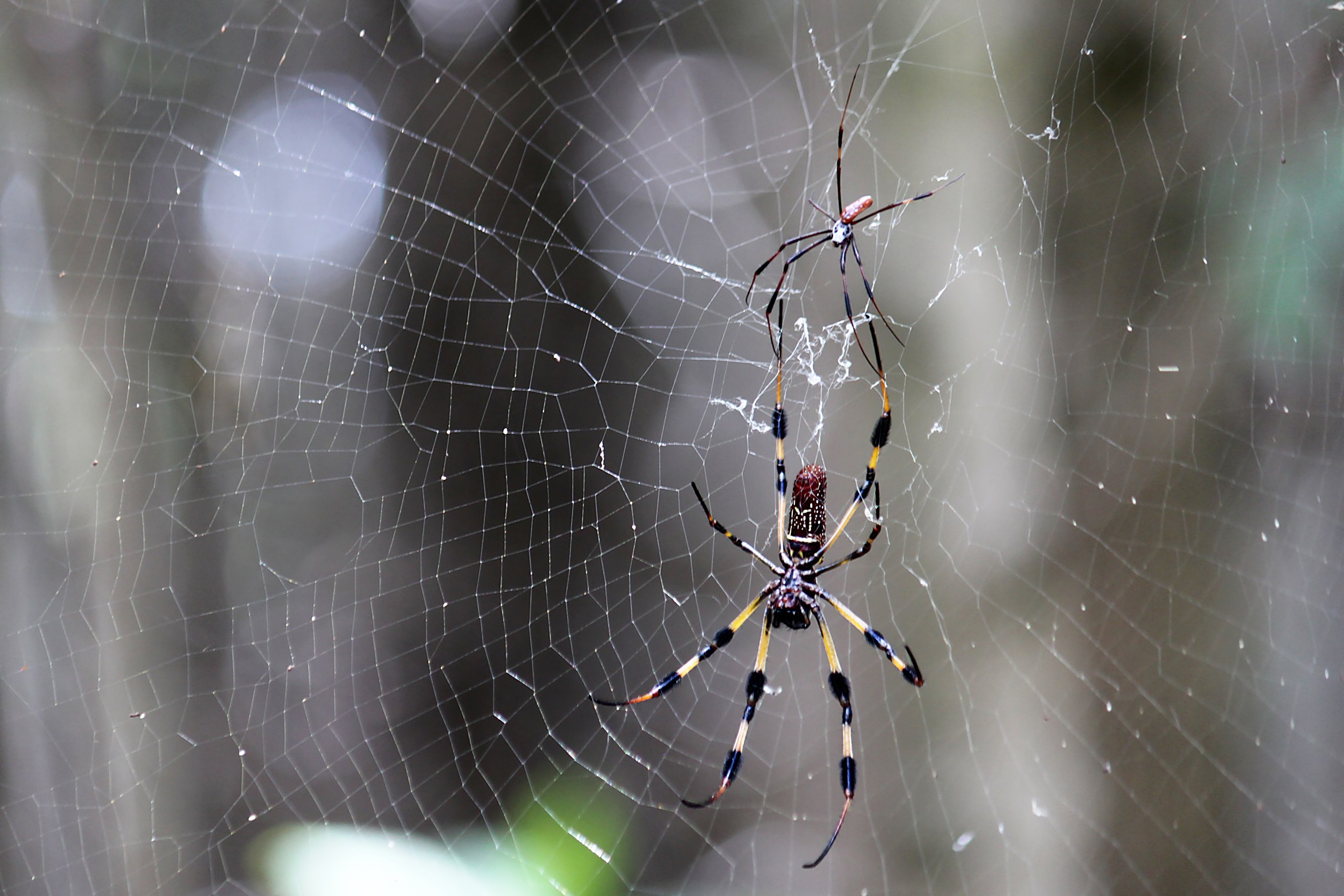
IMAGE CREDIT: Zoohouse

Leave a Reply