The phrase “many hands make light work” is especially true in science, an industry where mass amounts of information and data are often key to a successful project. For many studies in the earth, ocean and climate sciences, getting a lot of data can be a challenge: either the study sites are all over the world, they’re in places that are hard to get to, or the steps in the project just take too long for one person to monitor.
This is where citizen science comes in.
Say you’re going on a hike to a remote location? Or scuba diving on a reef? Scientists can use information you gather throughout your adventures, saving them the time of going out and collecting that data, all while giving your adventure a good-cause twist.

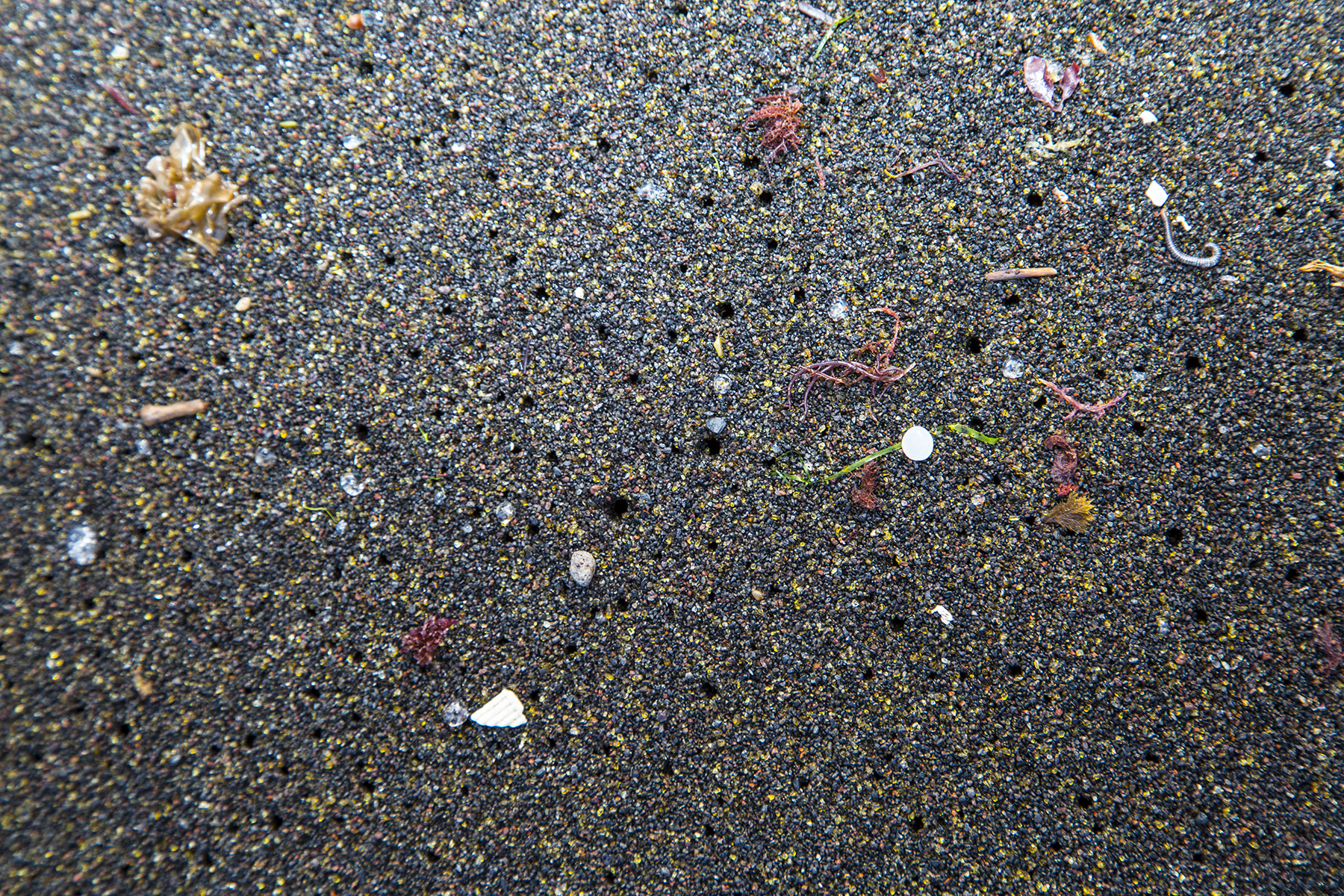
An excellent example of citizen science was the Global Microplastics Initiative run by Adventure Scientists from 2013-2017. Microplastics, or tiny bits of plastic found throughout our planet, are devastating to the environments they exist in. They look like food, but when animals eat them there is no nutritional value, they bring toxins into the food chain, and they are nearly impossible to digest.
A big question in science these days is how widespread microplastics actually are. To get a worldwide dataset, volunteers were trained to collect water samples from rivers, glaciers, and every ocean. Grant Bemis and Henry Bell planned a sailing adventure in the Caribbean to collect these microplastics.
“I feel like we wouldn’t have characterized it as a grand adventure if the purpose of it wasn’t to be part of something bigger,” Henry states. “The data collection took us to places almost nobody would go otherwise.”
In Asia, microplastics were collected in Indonesia, Malaysia, the Philippines, Thailand, Cambodia, Japan, and the surrounding Pacific and Indian oceans. In many of these locations, more than ten pieces of plastic were found per liter of water, and in one location off Japan’s coast, more than 100 pieces of plastic were found in a liter of water.
For folks who love the ocean, but aren’t ready to plan an offshore sailing trip, reef restoration is a good place to look. Like what we’ve seen with plastic in our oceans, human impacts on coral reefs are intense and highly visible. Boat anchors and unsustainable fishing practices can destroy a reef in minutes, despite the hundreds of years it took for that reef to grow.
In Bali, Zach Boakes and Ketut De Sujana Maharta started the North Bali Reef Conservation program in 2017 to engage the local community on these issues and rebuild broken reefs. The community and the reef are intrinsically linked, and they knew they needed to find a way to keep both the livelihoods of the people living there and the reef healthy.
To get enough hands on deck to make a change, they invite travelers and adventurers to help with the project. Volunteers live in a beachside campus in northeastern Bali for 1-8 weeks and help with local projects like building artificial reefs, planting coral, beach cleanups and plastic recycling, turtle conservation and community education.
“We’ve now built around 7000 artificial reef structures, and have seen a great deal of life move back into the area,” said Zach as he described the work they’ve accomplished. “We’ve also seen new species move back to the area that we previously hadn’t seen.” On both natural and artificial reefs, the team has seen sharks, turtles, eels and fish come back to waters they hadn’t been in when the project started.
Since its inception, North Bali Reef Conservation has seen a change in unsustainable actions in the area and has brought in around 200 volunteers to help the reef. With Indonesian borders closed to international travelers, Covid-19 has definitely slowed the project’s progress. Once borders open up again though, the team is looking forward to continuing their work to create a healthy reef, a happy community, and a world-wide team of citizen scientists.
As we all jump at the bit to get back out into the world and go adventuring, it’s important to think about the impacts our actions have on the environments of the places we’re going. Humans change any natural ecosystem we inhabit, but through citizen science, we can help to make that change a good thing.
WORDS: Kate Hruby.


Leave a Reply