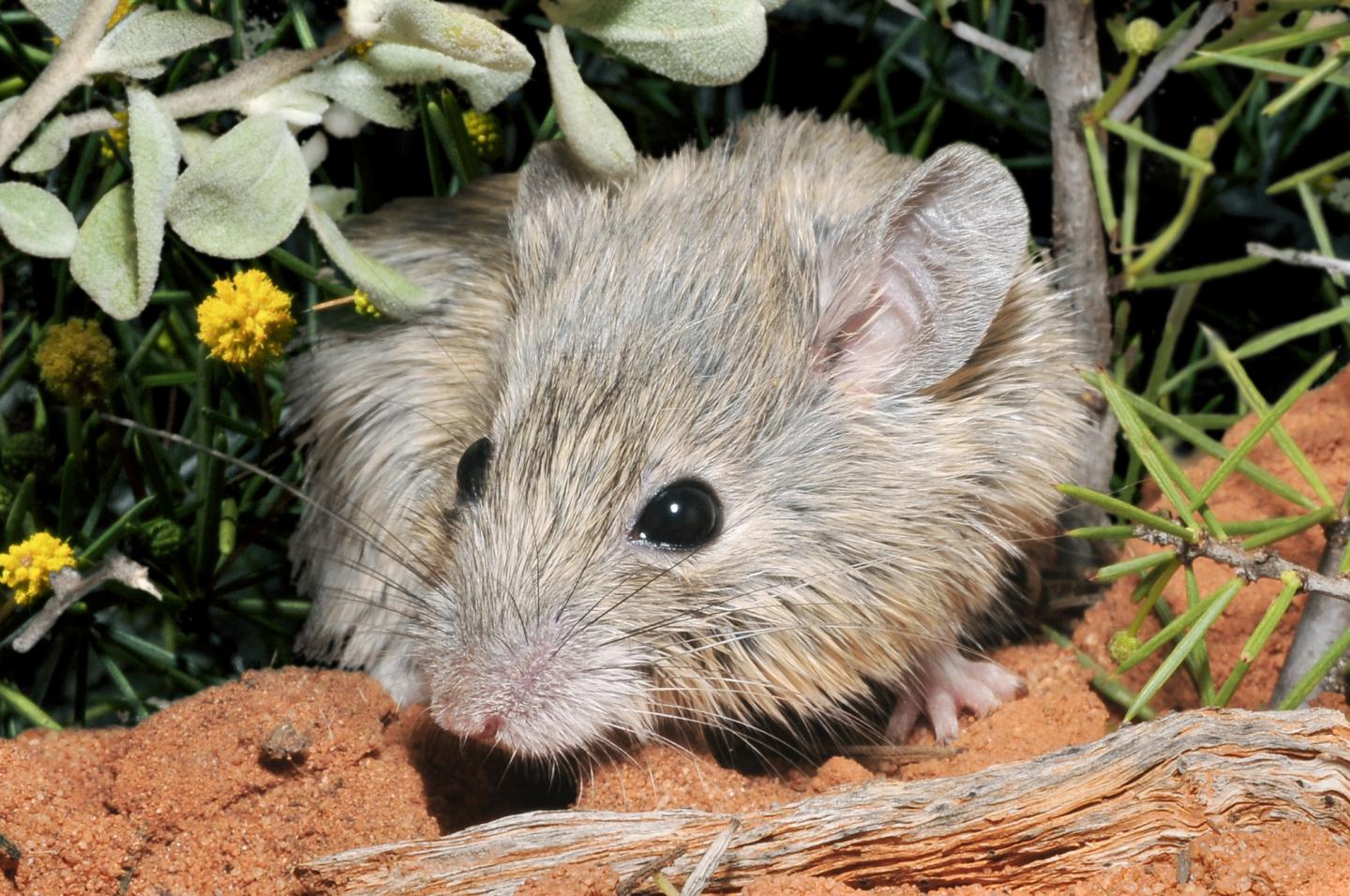
An Australian mammal thought to have been wiped out over 150 years ago can now be crossed off our list of extinct animals, following a new study.
Researchers compared DNA samples fromeight extinct Australian rodents, as well as 42 of their living relatives, to look at the decline of native species since the arrival of Europeans in Australia.
The study showed the extinctGould’s mouse was indistinguishable from the Shark Bay mouse, still found on several small islands off the coast of Western Australia.
According to lead author Dr Emily Roycroft from The Australian National University (ANU), the result is both exciting and sobering.
“The resurrection of this species brings good news in the face of the disproportionally high rate of native rodent extinction, making up 41 per cent of Australian mammal extinction since European colonisation in 1788,” Dr Roycroft said.
“It is exciting that Gould’s mouse is still around, but its disappearance from the mainland highlights how quickly this species went from being distributed across most of Australia, to only surviving on offshore islands in Western Australia.It’s a huge population collapse.”
In addition to Gould’s mouse, the study examined seven other extinct native species.
All had relatively high genetic diversity immediately before extinction, suggesting they had large, widespread populations prior to the arrival of Europeans.
“This shows genetic diversity does not provide guaranteed insurance against extinction,” Dr Roycroft said.
“The extinction of these species happened very quickly.
“They were likely common, with large populations prior to the arrival of Europeans. But the introduction of feral cats, foxes, and other invasive species, agricultural land clearing and new diseases have absolutely decimated native species.
“We still have a lot of biodiversity to lose here in Australia and we’re not doing enough to protect it.”
The study has been published in the journal PNAS.
IMAGE: Australian Wildlife Conservancy Photographer: Wayne Lawler

Leave a Reply