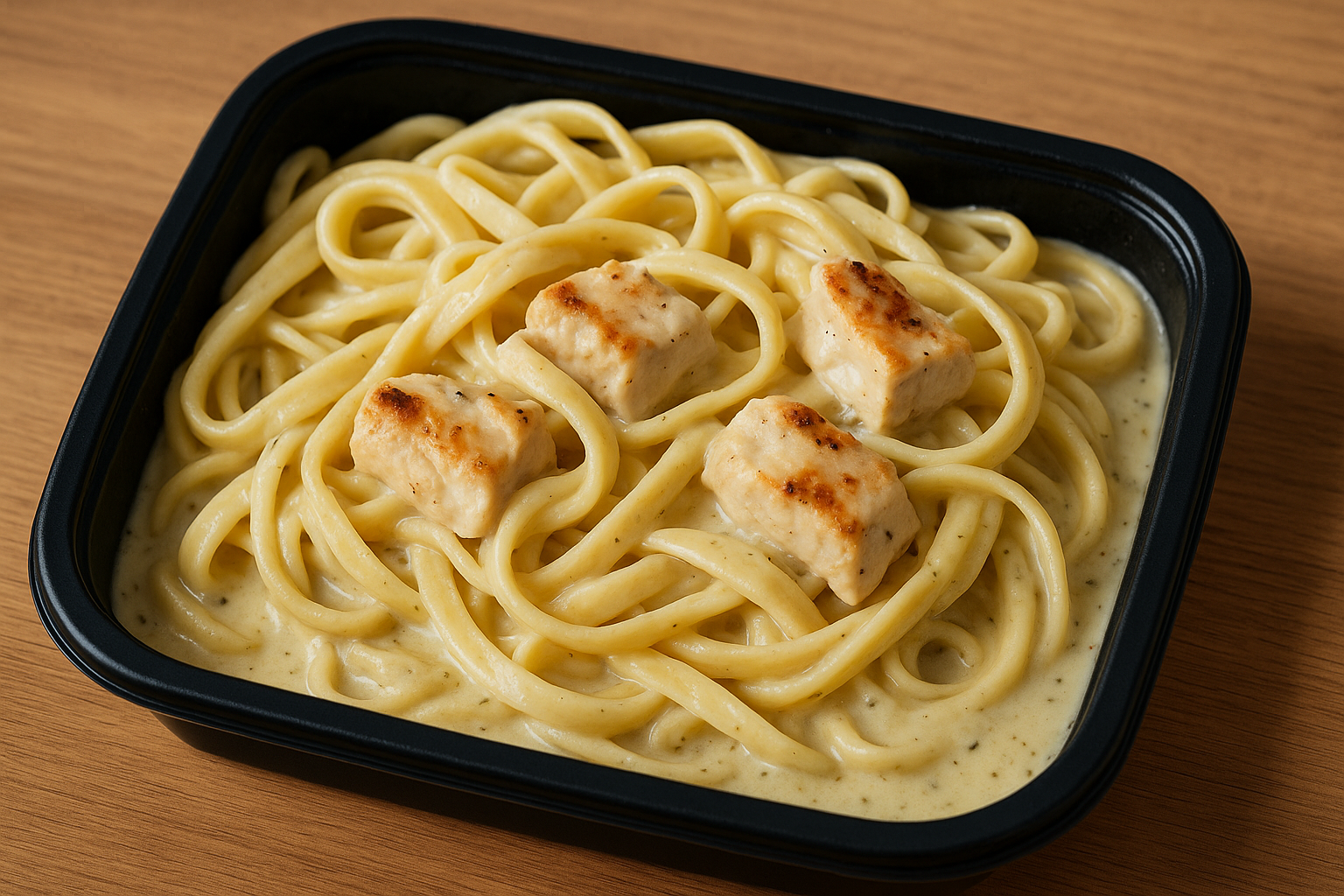
Federal and state officials have widened an investigation into a multistate Listeria monocytogenes outbreak tied to prepared pasta meals that used pre-cooked pasta from Nate’s Fine Foods. As of the latest update, 27 people across 18 states have been infected; 25 have been hospitalized and 6 have died. One pregnancy-associated illness resulted in fetal loss. Illness onsets span August 6, 2024–October 16, 2025. Patients range from 4 to 92 years (median 74), and about two-thirds are women. Positive matches linked FreshRealm meals (e.g., chicken alfredo; linguine) to the outbreak strain, prompting recalls that also touched items at several national retailers. Officials urge consumers to re-check refrigerators/freezers and discard recalled lots. [1]
Listeria is unusually cold-tolerant—it survives and grows at refrigerator temperatures—and it can form biofilms that let it persist in wet, hard-to-clean niches of processing plants. That combination makes ready-to-eat (RTE) or post-cook assembled foods (like refrigerated salads and heat-and-eat entrées) vulnerable to post-processing contamination. Heating food to 165°F (74°C) kills Listeria, but some implicated items are eaten cold, and even hot entrées can be contaminated after cooking during assembly/packaging. [2]

How this outbreak compares with recent and historic cases.
The current pasta-linked cluster (27 cases/6 deaths) is smaller in count but high in severity, consistent with the historically high hospitalization and case-fatality rates of invasive listeriosis—especially among older adults, pregnant people, and the immunocompromised. For context:
- 2011 Jensen Farms cantaloupes remain the deadliest modern U.S. listeriosis outbreak: 147 cases and 33 deaths across 28 states. Failures in the packing/cold-storage environment—not the fields—were pivotal, underscoring Listeria’s persistence in chilled, damp facilities. [3][4]
- 2024–25 deli meats outbreak (Boar’s Head; meats sliced at delis) ultimately reached 61 illnesses and 10 deaths before ending, prompting a recall of more than 7 million pounds and heightened federal scrutiny of the implicated plant. CDC guidance for high-risk people emphasized avoiding or reheating deli meats to 165°F. [5][6][7]
- 2025 frozen supplemental shakes (distributed to hospitals and long-term-care facilities) produced 38 illnesses and 12 deaths; environmental swabs at a plant yielded Listeria, illustrating how persistent contamination can seed products intended for medically vulnerable populations. [8][9][10]
Taken together, these events show a recurring pattern: Listeria thrives in cold-chain, RTE supply chains with post-cook handling steps and long shelf lives—foods that can be widely distributed and rebranded, amplifying outbreak footprint when contamination occurs. The pasta-meal outbreak fits that playbook. [1]

What causes listeriosis—and why it’s hard to trace.
Biology – L. monocytogenes is an invasive, intracellular bacterium capable of crossing the blood–brain barrier and placenta, leading to meningitis, septicemia, pregnancy loss, and severe neonatal infection. Its psychrotolerance (growth at ~32–41°F/0–5°C) and ability to form biofilms on stainless steel and plastic help it persist despite routine cleaning, causing intermittent product positives and repeated or multi-brand recalls. [2]
Long incubation – Symptoms usually begin within ~2 weeks of eating contaminated food but can appear the same day up to ~10 weeks later. That wide window blurs food histories and means cases may surface even after recalls. It also explains why health departments may continue logging illnesses weeks into an investigation. [6][7]
Public-health controls – On the industry side, durable mitigations include robust environmental monitoring, aggressive sanitation (especially drains and hard-to-clean niches), prevention of post-cook contamination, and validated kill steps when applicable. For consumers, prompt discarding of recalled items and refrigerator sanitation matter because the organism can survive and spread at refrigerator temperatures. [6]

Symptoms & when to seek care
The following is not medical advice. If you think you were exposed to recalled pasta meals or have symptoms consistent with listeriosis—especially if you’re pregnant, 65+, or immunocompromised—contact a licensed clinician promptly or seek urgent care. [6]
- Typical symptoms (anyone): fever, muscle aches, tiredness; many also develop gastrointestinal symptoms (nausea, vomiting, diarrhea). Onset is typically within ~2 weeks, but can be same day to ~10 weeks after exposure. [11]
- Pregnancy-associated illness: symptoms may be mild or flu-like, yet risks to the fetus/newborn are serious (pregnancy loss, premature birth, severe neonatal infection). Low threshold to call your OB or clinician if you consumed recalled items—even with mild symptoms. [11]
- Invasive disease red flags (seek urgent care): headache, stiff neck, confusion, loss of balance, or seizures—especially with fever or marked fatigue—can signal spread to the central nervous system. [11]
- High-risk groups: pregnant people and newborns; adults ≥65; people with weakened immune systems. For those groups, CDC advises avoiding higher-risk RTE foods (e.g., unheated deli meats/soft cheeses) or heating them to 165°F (74°C) before eating. [12]
Need to know.
The prepared-pasta outbreak underscores a familiar Listeria risk profile: cold-chain RTE foods that pass through post-cook handling and broad distribution. While the case count is modest compared with 2011 cantaloupes or 2024–25 deli meats, the high hospitalization and death numbers are sadly consistent with the pathogen’s history. Consumers should discard recalled items, sanitize refrigerators/containers, and—if in a high-risk group—reheat applicable foods to 165°F as a general precaution. If you experience compatible symptoms (even mild during pregnancy), seek medical advice promptly. [1][6][11]
Endnotes
- CIDRAP. “Deadly multistate Listeria outbreak tied to prepared pasta meals expands.” (accessed Nov 3, 2025). (CIDRAP)
- CDC. “People at Increased Risk for Listeria Infection” (risk factors, cold-tolerance, persistence). Updated Sep 24, 2025. (CDC)
- CDC (archive). “Multistate Outbreak of Listeriosis Linked to Whole Cantaloupes from Jensen Farms—33 deaths.” (CDC Archive)
- CDC. “2011 Outbreak map & totals—147 cases across 28 states.” (CDC Archive)
- CDC. “Listeria Outbreak Linked to Meats Sliced at Delis—investigation updates (Boar’s Head).” (CDC)
- CDC. “Listeria Outbreak Linked to Meats Sliced at Delis—advice & incubation window (same day to 10 weeks).” Updated Jan 31, 2025. (CDC)
- CDC Media Release. “More illnesses and deaths in Listeria outbreak linked to deli meats.” Aug 28, 2024. (CDC)
- CDC. “Listeria Outbreak Linked to Supplement Shakes (Feb 2025)—Prairie Farms.” (CDC)
- CDC Investigation Page. “Supplement Shakes manufactured by Prairie Farms were contaminated with Listeria.” (CDC)
- FDA. “Outbreak Investigation: Listeria monocytogenes—Frozen Supplemental Shakes (February 2025).” (U.S. Food and Drug Administration)
- CDC. “Symptoms of Listeria Infection (signs, incubation, pregnancy, CNS symptoms).” Updated Feb 3, 2025. (CDC)
- CDC. “Clinical Overview of Listeriosis—Who is at risk; prevention for high-risk groups.” Updated Sep 24, 2025. (CDC)


Leave a Reply