With every bite of food we take, our intestinal immune system must make a big decision. Tasked with defending us from foreign pathogens, these exquisitely sensitive cells somehow distinguish friend from foe—destroying invaders while tolerating food and helpful bacteria. How the gut separates the good from the bad has long puzzled scientists.
Now, new research identifies specific gut cell types that communicate with T cells—prompting them to tolerate, attack, or simply ignore—and explains how these opposing responses are triggered. The findings, published in Science, give scientists a new understanding of how the intestinal immune system keeps the gut in balance, and may ultimately shed light on the root causes and mechanisms of food allergies and intestinal diseases.
“The big question is, how do we survive eating?” says lead author Maria C.C. Canesso, a postdoctoral fellow in the laboratories of Daniel Mucida and Gabriel D. Victora. “Why do our bodies normally tolerate food, and what goes wrong when we develop food allergies?”
The intestinal immune system is complicated machinery. Tolerance to food begins with antigen presenting cells, or APCs, instructing T cells to stand down. This signal gives rise to pTregs, a special type of T cell that calms the immune response to food particles, and kicks off a cascade of activity involving additional immune cells that reinforce the message. But without knowing which specific APCs run the show, it’s difficult to tease out the ins and outs of the body’s eventual tolerance to food and intolerance to pathogens.
“There are so many types of antigen-presenting cells,” Canesso says. “Pinpointing which ones are doing what is a longstanding technical challenge.”
She began exploring this conundrum as a PhD student in the Mucida lab, which focuses on how the intestine balances defense with tolerance. During her postdoc, Canesso also joined the Victora lab, which developed a technology known as LIPSTIC that helps scientists catalogue cell-to-cell interactions, particularly among immune cells.
“The technological advances made by the Victora lab allowed us to understand immune cell dynamics that would not have been possible using existing tools,” says Mucida, head of the Laboratory of Mucosal Immunology.
Sign up for the Daily Dose Newsletter and get every morning’s best science news from around the web delivered straight to your inbox? It’s easy like Sunday morning.
After optimizing LIPSTIC for the task, Canesso and colleagues succeeded in pinpointing those APCs that promote tolerance—a process primarily handled by two types: cDC1s and Rorγt+ APCs. These cells capture dietary antigens from ingested food and present them to T cells, giving rise to the pTregs that ensure food tolerance.
“When we first developed LIPSTIC, we were aiming to specifically measure the interactions between B and T cells that promote antibody responses to vaccines,” says Victora, head of the Laboratory of Lymphocyte Dynamics. “It was to Maria’s credit that she was able to adapt this to settings so different from those it was originally intended for.”
They also uncovered how infections of the intestines can cause interference, demonstrating in mice that the parasitic worm Strongyloides venezuelensis shifts the balance away from tolerance promoting APCs and toward those that promote inflammation. Indeed, mice infected with this worm during a first exposure to a dietary protein display reduced tolerance towards this protein, and signs of allergy when challenged.
Finally, the team characterized the molecular signals underpinning these immune shifts, identifying key cytokines and pathways that influence how APCs present antigens and modulate immune responses. For example, the infection induced a surge in pro-inflammatory cytokines such as IL-6 and IL-12, which have been shown to nudge APC activity toward inflammatory outcomes. This inflammatory environment appears to override the immune system’s tolerance mechanisms. “The worm infection induces this an expansion of non-tolerogenic APCs that help deal with the infection, outnumbering the tolerance-related APCs,” Canesso says.
From food to food allergies
Together, the findings illuminate how the immune system maintains food tolerance and, in the case of parasitic infections, highlights the specific immune mechanisms that can go awry. “It’s important to note that our findings do not suggest that worm infections trigger food allergies,” clarifies Mucida, head of the Laboratory of Mucosal Immunology. “They reduce tolerance mechanisms while the immune response focuses on dealing with the worms.”
While these findings aren’t directly relevant to food allergies, they do lay some groundwork for further investigation into food intolerance. “If food allergies are derived from dysregulation on intestinal APCs inducing tolerance and protective responses to infections, perhaps we could one day modulate those APCs specifically to prevent food allergies,” Canesso says.
Next up, Canesso plans to shift her focus toward early life, exploring how maternal-neonatal interactions shape food intolerance. “Most allergies develop early in life,” she says. “I want to focus on how breast milk and maternal exposure to dietary antigens may influence a baby’s immune system, potentially shaping their risk of developing food allergies.”
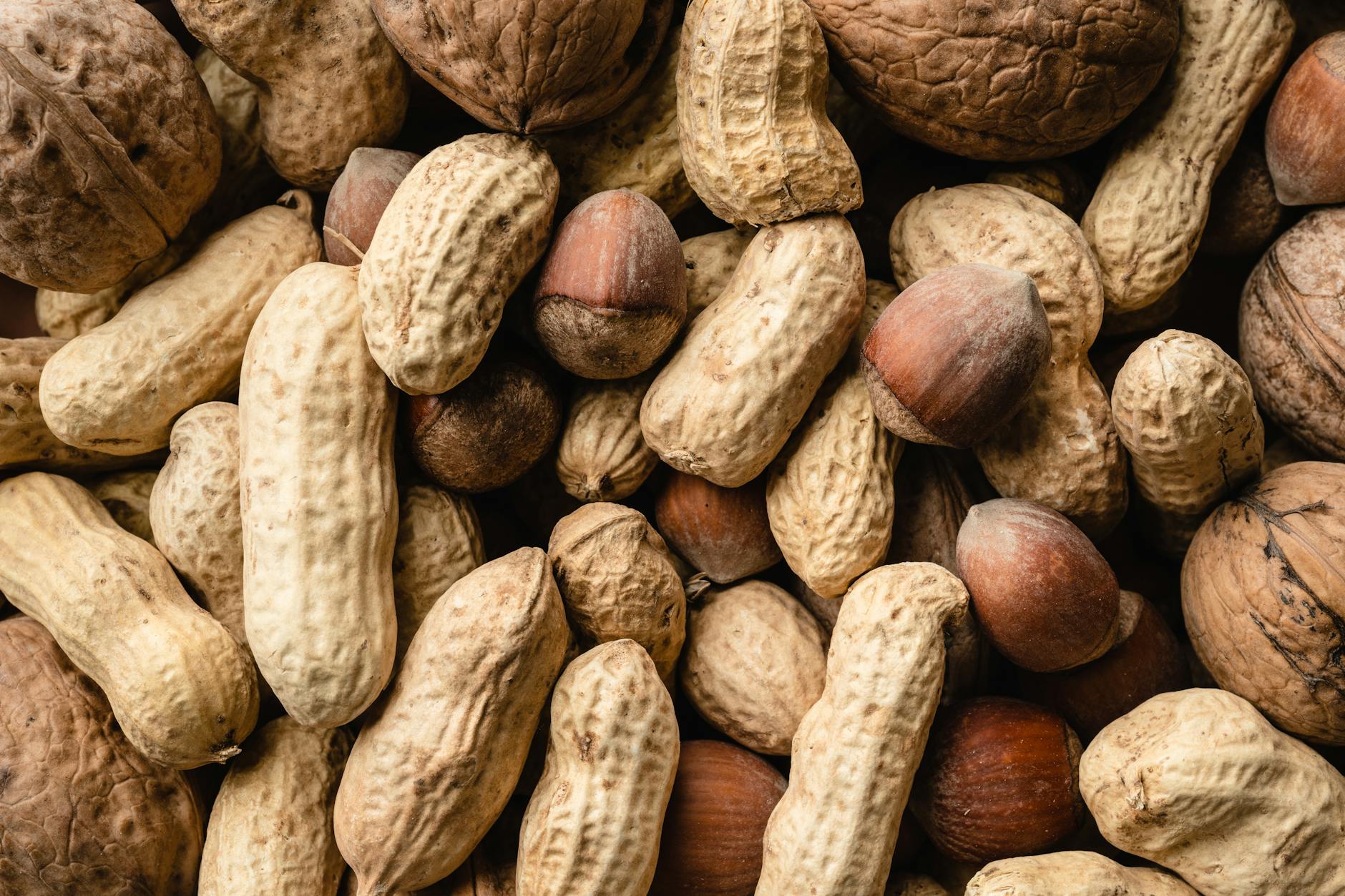
IMAGE CREDIT: Marina Leonova.



Leave a Reply