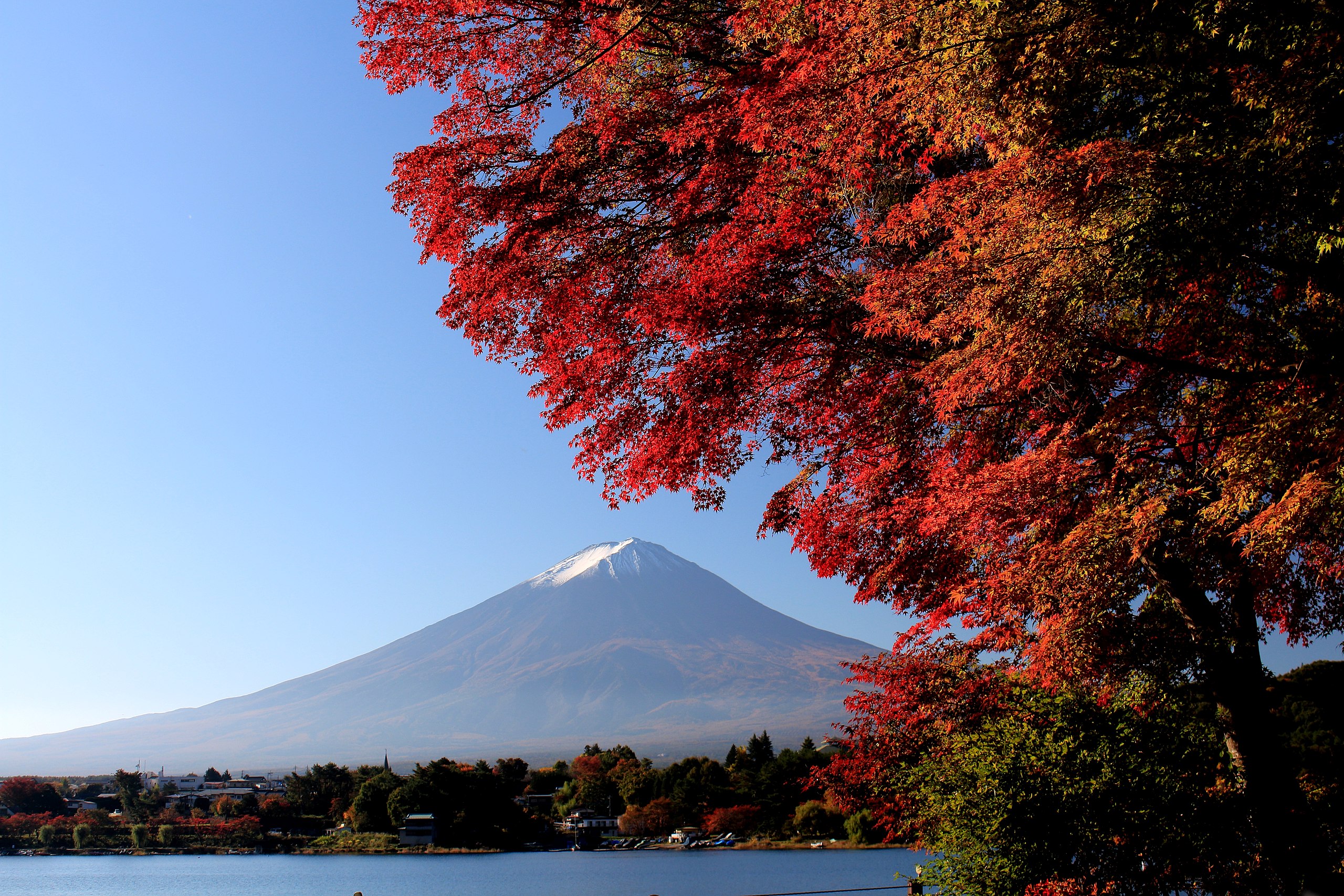

This stunning scene of autumn foliage set against snow-capped Mount Fuji provides a perfect backdrop to explore the science of leaf color changes in fall. The shift from green to vibrant reds, oranges, and yellows in leaves is primarily due to the breakdown of chlorophyll and the prominence of other pigments that were previously masked.
Chlorophyll, the green pigment vital for photosynthesis, begins to degrade as temperatures drop and days shorten. With less sunlight, trees reduce chlorophyll production, leading to its gradual breakdown. This loss of chlorophyll allows other pigments to emerge, each with unique hues and functions.
Carotenoids, which are present in leaves year-round, become visible as chlorophyll fades. These pigments are responsible for the yellow and orange colors seen in species like birch and maple trees. Meanwhile, anthocyanins are often produced in the fall and give leaves their red and purple shades. The exact purpose of anthocyanins remains debated, but some researchers suggest they may protect leaves from sun damage or help plants retain nutrients before winter.
This autumn transformation is more than just a visual treat—it’s a finely tuned process that conserves energy and nutrients, helping trees prepare for the colder months ahead. The combination of these pigments creates the breathtaking autumn landscapes we admire, such as this scene by Lake Kawaguchi with the iconic Mount Fuji in the background.




Leave a Reply