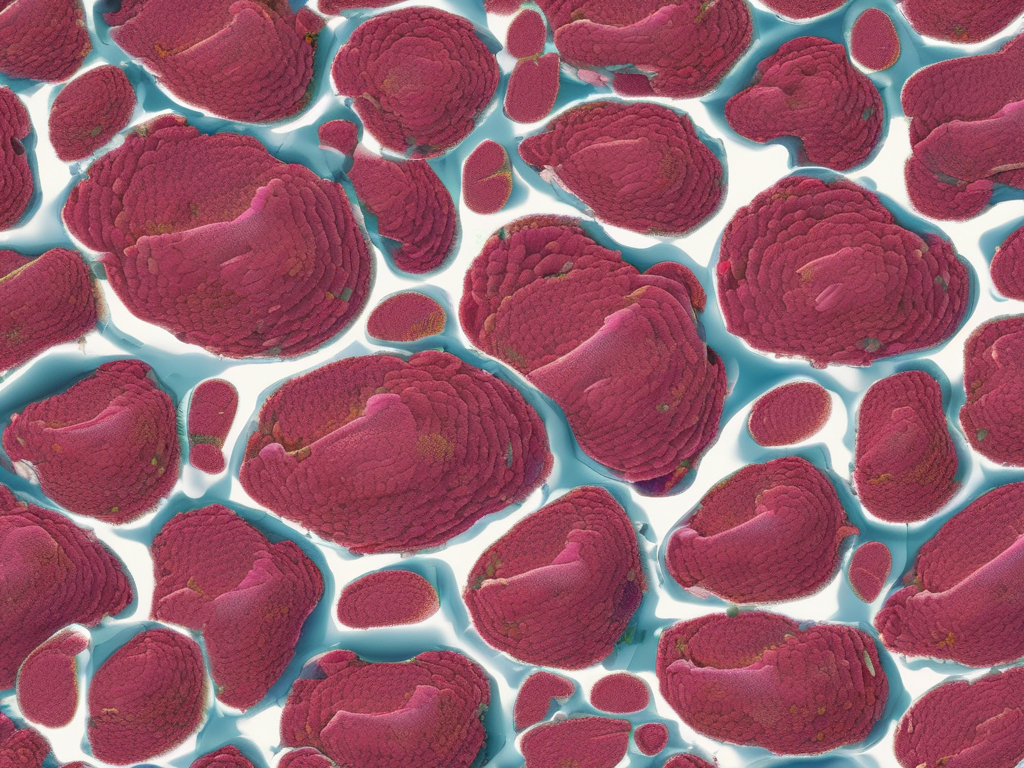
A new study brings researchers closer to better understanding the pathology of the fatty liver disease MASH, which stands for metabolic dysfunction-associated steatohepatitis.
MASH is a consequence of poor diet and obesity and results in severe damage to the liver. In MASH, the liver becomes filled with active and rapidly multiplying T cells, which are a type of immune cell.
In today’s study, published in Hepatology, researchers examine what these T cells look like and how they work in people with liver cirrhosis (a late stage of liver disease) and in an animal model of MASH.

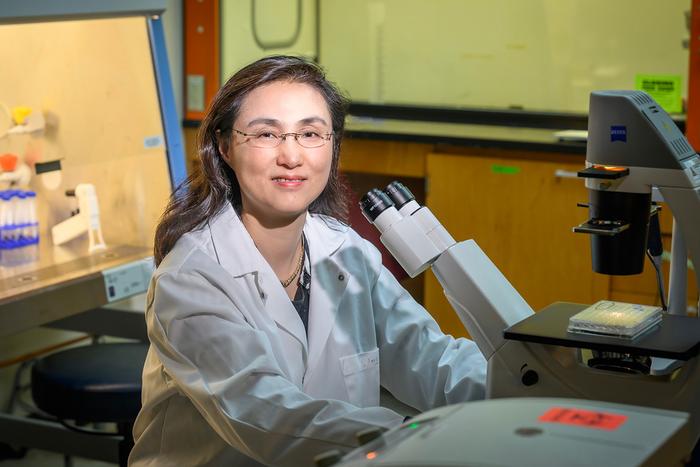
“Our goal is to provide a more thorough understanding of the mechanisms that drive MASH. A better understanding can lead to people being diagnosed earlier or before the disease is at such a late stage that a liver transplant may be the only treatment option,” said the paper’s senior author Matthew Burchill, PhD, associate professor of medicine at the University of Colorado Anschutz Medical Campus.
MASH is a slow killer in that the progression of the disease takes place over the course of decades. Despite this, MASH is rapidly becoming the most prevalent liver disease worldwide. It’s estimated that approximately 40 percent of the adult population in the United States is obese, and approximately 14 percent of asymptomatic middle-aged individuals in the US have biopsy proven MASH, according to a recent study in the Journal of Hepatology.
Burchill and his team found during MASH, T cells multiply and change in function in response to harmful substances associated with poor diet.
Sign up for the Daily Dose Newsletter and get every morning’s best science news from around the web delivered straight to your inbox? It’s easy like Sunday morning.
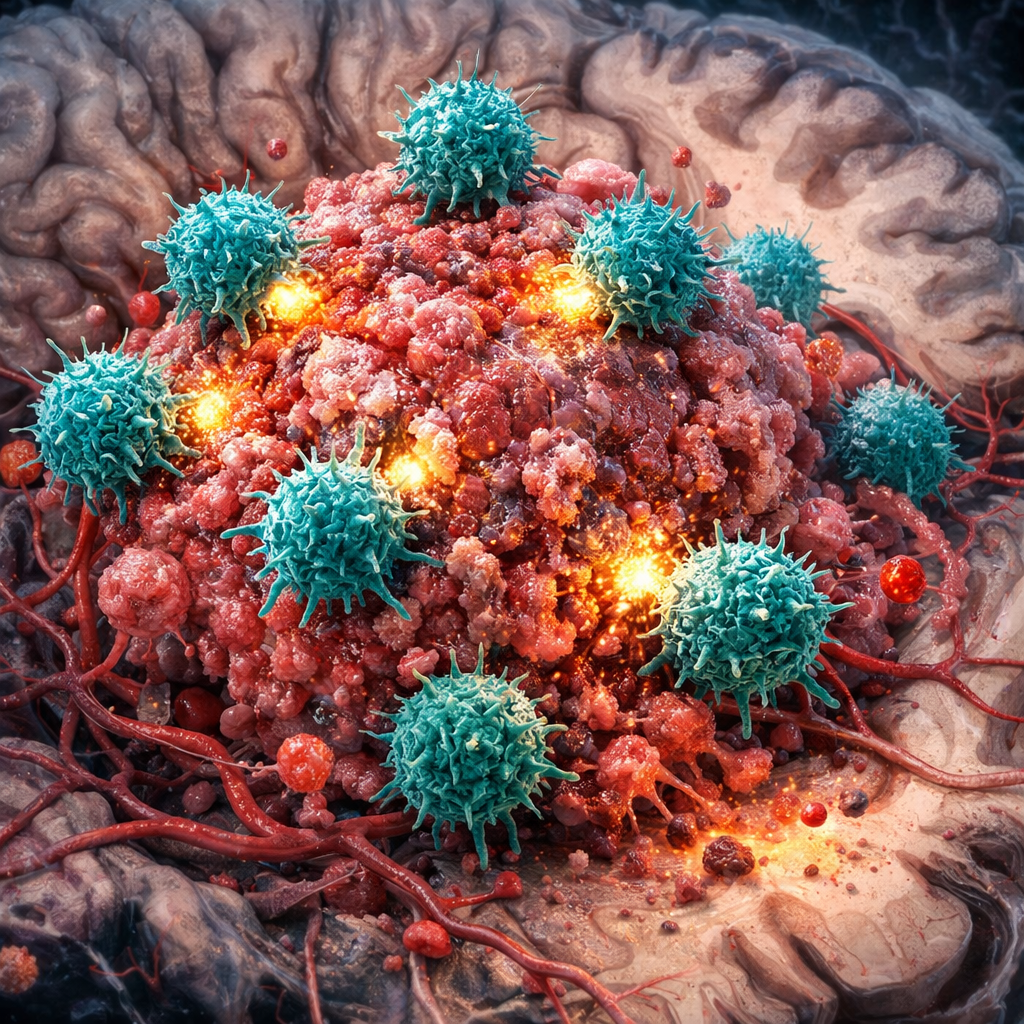
The study showed that like infections such as Hepatitis C virus, clonally expanded CD8+ T cells accumulate in the livers of both humans and mice with MASH. This suggests a potential role for antigen-activated CD8+ T cells in the pathogenesis of MASH.
“Understanding this process may help identify the specific substances that trigger T cell activation and growth in the liver during MASH. This understanding could eventually result in developing a biomarker test that will allow doctors to track and treat the disease progression before it’s at a late stage,” adds Burchill.
If you enjoy the content we create and would like to support us, please consider becoming a patron on Patreon! By joining our community, you’ll gain access to exclusive perks such as early access to our latest content, behind-the-scenes updates, and the ability to submit questions and suggest topics for us to cover. Your support will enable us to continue creating high-quality content and reach a wider audience.
Join us on Patreon today and let’s work together to create more amazing content! https://www.patreon.com/ScientificInquirer


Leave a Reply