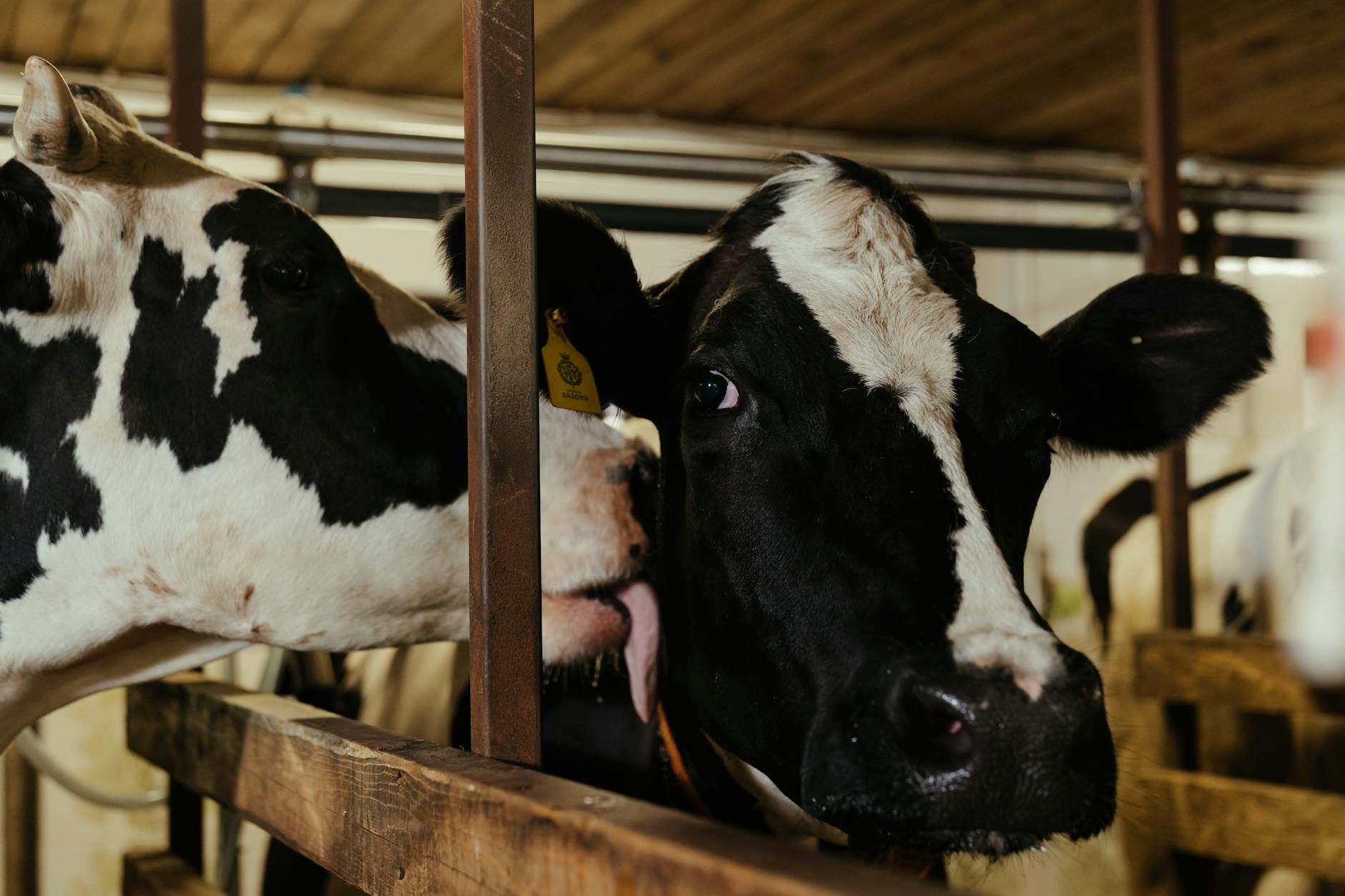
H5N1 BIRD FLU INFECTS COWS, SHOCKS SCIENTISTS WORLDWIDE
The recent discovery that the H5N1 bird flu virus, historically known for its impact on poultry, has infected dairy cattle has surprised scientists and raised significant concerns. Unlike in birds, the virus primarily targets the mammary glands of cows, leading to severe implications for dairy farming. The mode of transmission among cows is unclear, with evidence suggesting the virus might spread through milking processes rather than respiratory routes, which is typical in human flu infections. This mode of transmission complicates containment as the virus can quickly pass from one cow to another during milking. The situation has sparked urgent questions about the risk to humans, particularly dairy farm workers who might be exposed to the virus through direct contact with infected cattle or milk. Although one case of human infection has been reported, the potential for under-detection is high, especially since farm workers may not be systematically tested. Moreover, while pasteurization likely neutralizes the virus in milk, the risk from raw milk remains a significant concern. Ongoing research aims to better understand the virus’s behavior in cows and its implications for both bovine and human health. (STAT)
ZHANG YONGZHEN LAB DISPUTE TENTATIVELY RESOLVED IN SHANGHAI
Virologist Zhang Yongzhen, who first shared the COVID-19 genome sequence, has tentatively resolved a dispute with the Shanghai Public Health Clinical Center (SPHCC) and Fudan University. The controversy began when SPHCC closed Zhang’s lab, which needed renovations, and relocated his team without specifying appropriate new facilities, leading Zhang to camp outside the lab. The situation escalated as his lab stored sensitive samples requiring biosafety level 3 conditions, which the alternative space did not meet. Social media posts revealed Zhang and team member Chen Yanmei camping outside and inside the lab respectively, facing dire conditions that jeopardized ongoing research. Eventually, a late agreement promised to restore normal operations and relocate the lab appropriately. Zhang’s pioneering work in 2020 facilitated rapid COVID-19 vaccine development, earning him significant acclaim and awards. However, recent conflicts and a reduction in his research activities raise concerns about his professional treatment and the circumstances around the lab’s closure. (Nature)
If you’re enjoying the Daily Dose, sign up for the Daily Dose Newsletter and get the morning’s best science news from around the web delivered straight to your inbox? It’s easy like Sunday morning.
NIH BUDGET CUTS CRIPPLE KEY NEUROSCIENCE, GENOMICS PROGRAMS
The U.S. National Institutes of Health (NIH) experienced significant budget cuts impacting two major neuroscience and genomic medicine programs due to a unique funding arrangement set by the 21st Century Cures Act. The Brain Research Through Advancing Innovative Neurotechnologies (BRAIN) Initiative and the All of Us project faced reductions exceeding one-third of their funding, a total decrease of $462 million from the previous year. These cuts are due to pre-specified funding reductions in the Cures Act and the lack of supplementary funding in the latest government spending bills. BRAIN will see a reduction in active grants and fewer new awards, potentially delaying advancements in treatments for brain disorders. Meanwhile, All of Us will cut participant recruitment and staffing, significantly slowing its progress. Both programs are essential for continued U.S. leadership in life sciences, and their funding challenges highlight the problems of relying on finite legislative funding sources. (Science)
FDA PROBES CAR-T THERAPY LINK TO LYMPHOMAS
In November 2023, the US Food and Drug Administration (FDA) began investigating potential links between chimeric antigen receptor (CAR) T-cell therapy, a groundbreaking cancer treatment, and the development of new cancers, specifically lymphomas. The concern arose after 20 cases of lymphomas were observed among approximately 30,000 treated individuals, leading to a requirement for a boxed warning on CAR-T therapies. Despite the treatments’ effectiveness, the exact cause of these cancers remains unclear, with the potential involvement of the therapy itself not definitively established. This uncertainty persists amidst broader concerns about the risk of secondary malignancies commonly associated with cancer therapies. As CAR-T therapy expands in use, understanding these risks becomes crucial. The investigation is ongoing, with both the FDA and European Medicines Agency involved, emphasizing the complexity of balancing the innovative treatment’s benefits against its potential risks. (Nature)

CHILEAN CONSERVATIONISTS BUY 325,000-ACRE WILDERNESS FOR $63M
In central Chile, a significant conservation effort culminated in the purchase of a 325,000-acre wilderness area known as Hacienda Pucheguin for $63 million. The buyer, Puelo Patagonia, a group of environmentalists, successfully negotiated with businessman Roberto Hagemann, who originally planned to develop the land for $150 million. This area, notable for its pristine ecosystems including ancient Alerce forests and the Cochamó Valley’s granite cliffs, is a key ecological corridor linking several national parks. Initially, Hagemann sought to utilize the land for economic gains including a hydroelectric project, which faced strong opposition and legal challenges from local conservationists, leading to the project’s cancellation. The agreement marks a significant achievement in preserving one of South America’s most ecologically important regions, ensuring its protection against future development and maintaining biodiversity connectivity across Chile and Argentina. (New York Times)
ANCIENT SETTLEMENT EMERGES AS PHILIPPINE DAM DRIES UP
A 300-year-old settlement submerged under Pantabangan Dam in the Philippines has resurfaced due to severe drought and heat drying up the reservoir. Structures including parts of a church and tombstones became visible in Nueva Ecija province, as reported by a National Irrigation Administration engineer. This marks the sixth occurrence of the settlement resurfacing since the dam’s creation in the 1970s, with this instance being the longest it has remained visible. The receding water levels, nearly 50 meters below normal, are due to prolonged dry conditions exacerbated by the El Niño climate pattern and climate change, affecting half of the country’s provinces. The exposed ruins have become a tourist attraction amid record-breaking temperatures and reduced rainfall, highlighting the broader impacts of climate change in Southeast Asia, a region highly vulnerable to its effects. (CNN)
Thanks for reading. Let’s be careful out there.
WORDS: The Biology Guy.
IMAGE CREDIT: cottonbro studio.

Leave a Reply