
NASA SEEKS NEW PLANS FOR MARS SAMPLE RETURN.
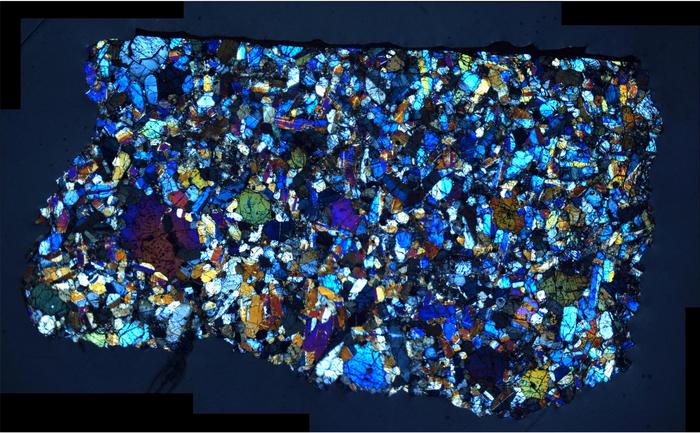
NASA is revising its Mars Sample Return (MSR) strategy to retrieve samples collected by the Perseverance rover on Mars, as escalating costs and delays have made the original plan untenable. Initially projected to cost between $2.5 and $3 billion, an independent review now estimates the cost at $11 billion, with a return not expected until 2040—delays that NASA finds unacceptable. The original MSR setup involved a lander deploying to Mars with a Mars Ascent Vehicle (MAV) and possibly small helicopters to assist in transferring the samples into orbit, where they would be intercepted and brought back to Earth. Facing budget constraints and not wanting to divert resources from other projects like the Titan-exploring Dragonfly drone, NASA is seeking more cost-effective and timely alternatives. The agency is soliciting fresh ideas from both its research centers and the private sector, with a proposal submission deadline set for May 17, aiming for a restructured MSR plan by late fall or early winter. (space.com)
WEGOVY, OZEMPIC USERS OFTEN STOP DUE TO COSTS.
Wegovy and Ozempic, brand names for the drug semaglutide, are popular GLP-1 agonist medications prescribed for weight loss and type 2 diabetes management. Despite their benefits, about two-thirds of U.S. users discontinued their use within a year, mainly due to high costs, severe side effects, drug shortages, and limited insurance coverage. Research indicates that discontinuing these drugs often leads to significant weight regain and reversal of health improvements such as reduced blood glucose and cholesterol levels. This rebound is attributed to the body’s natural tendency to return to its previous weight. Strategies for managing discontinuation include tapering off the drug to reduce rebound hunger and continuing lifestyle adjustments. The NHS in the UK restricts semaglutide to a two-year treatment period, a policy driven by cost-effectiveness and the limited long-term usage data. Despite these challenges, GLP-1 agonists are considered a critical component of long-term obesity management, analogous to treatments for other chronic conditions. (Nature)
If you’re enjoying the Daily Dose, sign up for the Daily Dose Newsletter and get the morning’s best science news from around the web delivered straight to your inbox? It’s easy like Sunday morning.
FDA APPROVES NEW ANTIBACTERIAL COATINGS FOR IMPLANTS
The FDA has approved innovative antibacterial coatings from Orthobond and Onkos Surgical, designed to minimize contamination of implants from packaging to patient insertion. Initially authorized for spine and orthopedic devices, these coatings could potentially expand to various medical and nonmedical applications. Orthobond’s Ostaguard uses a mechanical, non-eluting method to kill bacteria on contact without antimicrobial agents, enhancing safety for long-term use. It has already been implemented in spinal fusion surgeries and may soon extend to other medical areas and even consumer products, responding to evidence that many joint implant failures involve bacterial contamination. Onkos Surgical’s ELEOSx limb salvage system, enhanced with their coating, addresses severe scenarios like bone cancer or major trauma, aiming to tackle the significant challenge of implant contamination noted in orthopedic surgery. Both companies utilize a bonded quaternary ammonium compound in their coatings, although no long-term clinical data on infection rates is currently available. (Fierce Biotech)
X/TWITTER EXPANDS GLOBAL FEE TO CURB SPAM, BOTS
X/Twitter, initially testing a $1 annual fee for new user posting privileges in New Zealand and the Philippines, is expanding this charge globally. The fee, part of the Not a Bot program, aims to reduce spam, bot activity, and platform manipulation. Although the exact fee for other markets hasn’t been specified, the program allows new users to follow and browse for free but requires payment to post, like, bookmark, and reply. Elon Musk, the platform’s owner, supports the fee as a necessary step to combat sophisticated AI and troll farms that easily bypass traditional bot checks. This strategy also addresses the issue of fake accounts hoarding desirable usernames. Musk’s prior attempt to eliminate spambots through a charged verification system had limited success. Details about the fee’s implementation date remain undisclosed. (Mashable)

GLOBAL AI INVESTMENT FALLS; MARKET SEEKS STABILITY.
After a period of robust growth, global investment in the AI industry has declined for two consecutive years, with a significant drop in both private and corporate investments in 2023. According to a Stanford HAI report, total investment in AI decreased by 20% to $189.2 billion, reflecting a broader market correction from previous high investment levels. Key players like Anthropic and OpenAI still secured major funding, indicating selective confidence in big AI ventures. However, the overall reduction in investments highlights a market shift towards a more cautious approach, emphasizing the challenges of scaling AI technologies and their practical implementation. The enthusiasm for generative AI remains a notable exception, having attracted a substantial portion of the AI investment in 2023. Despite this, there’s growing skepticism among corporations about the practical outcomes of generative AI, suggesting a potential reassessment of its value proposition in the coming years. This period of adjustment suggests a move towards a more mature and discerning investment landscape in AI. (Tech Crunch)
SCIENTIST TACKLES AUSTRALIA’S FERAL CAT CRISIS WITH INNOVATIVE STRATEGIES.
Katherine Moseby, a principal scientist at Arid Recovery in South Australia, is tackling the severe threat feral cats pose to local wildlife. Despite her personal fondness for cats, Moseby recognizes their devastating impact on native species due to their predatory nature. Feral cats, introduced in Australia by European settlers, have contributed significantly to the country’s high mammalian extinction rate. To combat this, Moseby and her team have implemented various strategies, including extensive fencing and lethal control measures, such as employing sharpshooters and innovative traps like the Felixer, which sprays toxic gel on cats. Additionally, Moseby is exploring more controversial methods, such as introducing feral cats into enclosed areas to teach prey animals survival skills—a technique that has shown promise in enhancing prey wariness and adaptability. These efforts are part of a broader attempt to manage the feral cat population and mitigate their impact, recognizing that complete eradication is unlikely. Her work underscores the complex balance conservationists must maintain between controlling invasive species and protecting native wildlife. (New York Times)
OPEN-ACCESS PLATFORMS GAIN SUPPORT TO DEMOCRATIZE RESEARCH DATA
Universities and grant organizations often utilize databases like Web of Science and Scopus to evaluate research productivity and quality through metrics such as citations and journal impact factors. These proprietary databases require paid access and have limited transparency. However, a movement toward open-access platforms is gaining momentum as highlighted in the Barcelona Declaration on Open Research Information, supported by over 30 research and funding organizations including the Bill & Melinda Gates Foundation. These organizations advocate for free, transparent databases that do not restrict data usage, aiming to democratize research information and enhance scientific collaboration globally. Open platforms like OpenAlex have been developed to support this transition, although they currently face challenges such as data accuracy and comprehensive coverage compared to established proprietary databases. Despite these hurdles, there is a strong push for these open resources to improve and potentially reshape the research information landscape. (Science)
CYBER-PHYSICAL-SOCIAL SYSTEMS INTEGRATE TO COMBAT CLIMATE CHANGE.
Cyber-Physical-Social Systems (CPSS) are emerging as a comprehensive framework to address climate change by integrating digital technologies, physical infrastructure, and social dynamics. This integration encompasses computational and communication technologies, sensors, actuaries, and human interactions. CPSS are utilized across various sectors like transportation, healthcare, and urban planning to enhance decision-making and adapt to changing conditions. They play a pivotal role in monitoring environmental impacts and implementing strategies to reduce greenhouse gas emissions, such as through smart grid systems and optimized traffic management. Moreover, CPSS contribute to building climate-resilient infrastructure by employing sensor networks that provide early warnings and proactive maintenance. They also improve water management systems by dynamically adjusting to real-time environmental data. Additionally, CPSS foster citizen engagement and behavioral changes through digital platforms and personalized feedback systems. However, designing CPSS that effectively integrate these complex components remains challenging, especially when considering the unpredictability of human behavior and privacy concerns. (IEEE)
STUDY FINDS MODERN SONG LYRICS SIMPLER, MORE EMOTIONAL.
Research by Eva Zangerle of Innsbruck University, analyzing 12,000 songs from 1970 to 2020 across genres like pop, rock, rap, R&B, and country, reveals that modern lyrics have become simpler, more repetitive, and emotionally intense. The study found a trend towards more personal and emotionally charged lyrics, with notable increases in expressions of anger, particularly in rap, while positive emotions have declined in pop and rock but risen slightly in rap. The use of personal pronouns has increased, particularly in rap and pop. The study, which used data from the virtual music encyclopedia Genius and streaming platform last.fm, also noted that lyrics in country music have gained popularity over time, contrasting with rock, where older songs remain more lyrically popular. These findings suggest that lyrical content has evolved to reflect changing societal norms and emotions, highlighting a shift towards simplicity in song structure combined with a deeper emotional resonance in content. (Ars Technica)
Thanks for reading. Let’s be careful out there.
WORDS: The Biology Guy.
IMAGE CREDIT: NASA.


Leave a Reply