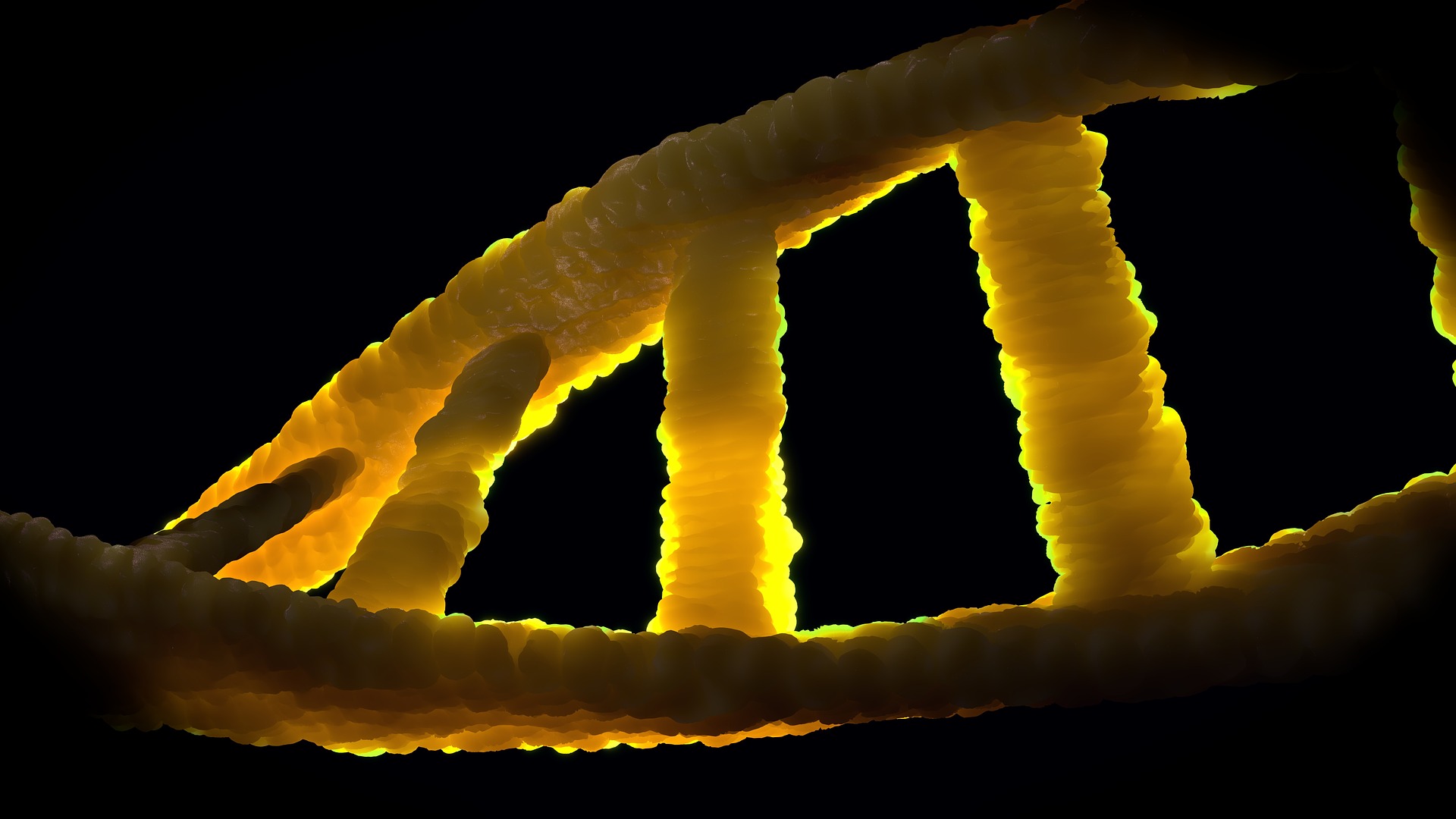
Research published today in Nature sheds light on a small part of the so-called “dark genome” — the 98 per cent of the human genome whose biological function is largely not known.
In the study, an international multidisciplinary team reported the first high-resolution images and structural details of a genetic element known as LINE-1 (video here), which inserts itself into the human genome and is implicated in diseases such as cancer, autoimmune disorders and neurodegeneration, and even aging. The work provides a target for potential new treatments moving forward.
LINE-1 is described as an “ancient genetic parasite” with about 100 potentially active copies in each person. LINE-1 activity is often correlated with disease. Unlike DNA, which makes RNA and then proteins, retrotransposons like LINE-1 work backwards, making DNA from RNA and then inserting it into the genome.

“Retrotransposons are often referred to as ‘jumping genes’ that insert themselves into our chromosomes with a copy-and-paste mechanism,” explains Matthias Götte, professor and chair of the Department of Medical Microbiology and Immunology at the University of Alberta and one of the eight co-corresponding authors. “For this paper, we discovered the essential steps in this process, which could then lead us to ways to inhibit the enzyme and eventually treat those diseases.”
The team included researchers from institutions in the United States and Europe, as well as biotechnology partners. Götte’s lab was the only Canadian contributor to the research, which was led by investigators from Harvard Medical School and biotechnology company ROME Therapeutics.
The researchers say their analyses reveal the inner workings of the molecular machine that has written nearly half of the human genome, and that understanding LINE-1 structure and function is important both in evolution and, increasingly, in human disease.
The Götte lab, including research associate Egor Tchesnokov, provided much of the biochemical data in the paper. “It was a large team effort with world-class structural biologists,” says Götte. “Effective treatments for important human diseases can only be developed with a very strong scientific foundation.”
Sign up for the Daily Dose Newsletter and get the morning’s best science news from around the web delivered straight to your inbox? It’s easy like Sunday morning.
Leave a Reply