Racial discrimination and bias are painful realities and increasingly recognized as detrimental to the health of adults and children.
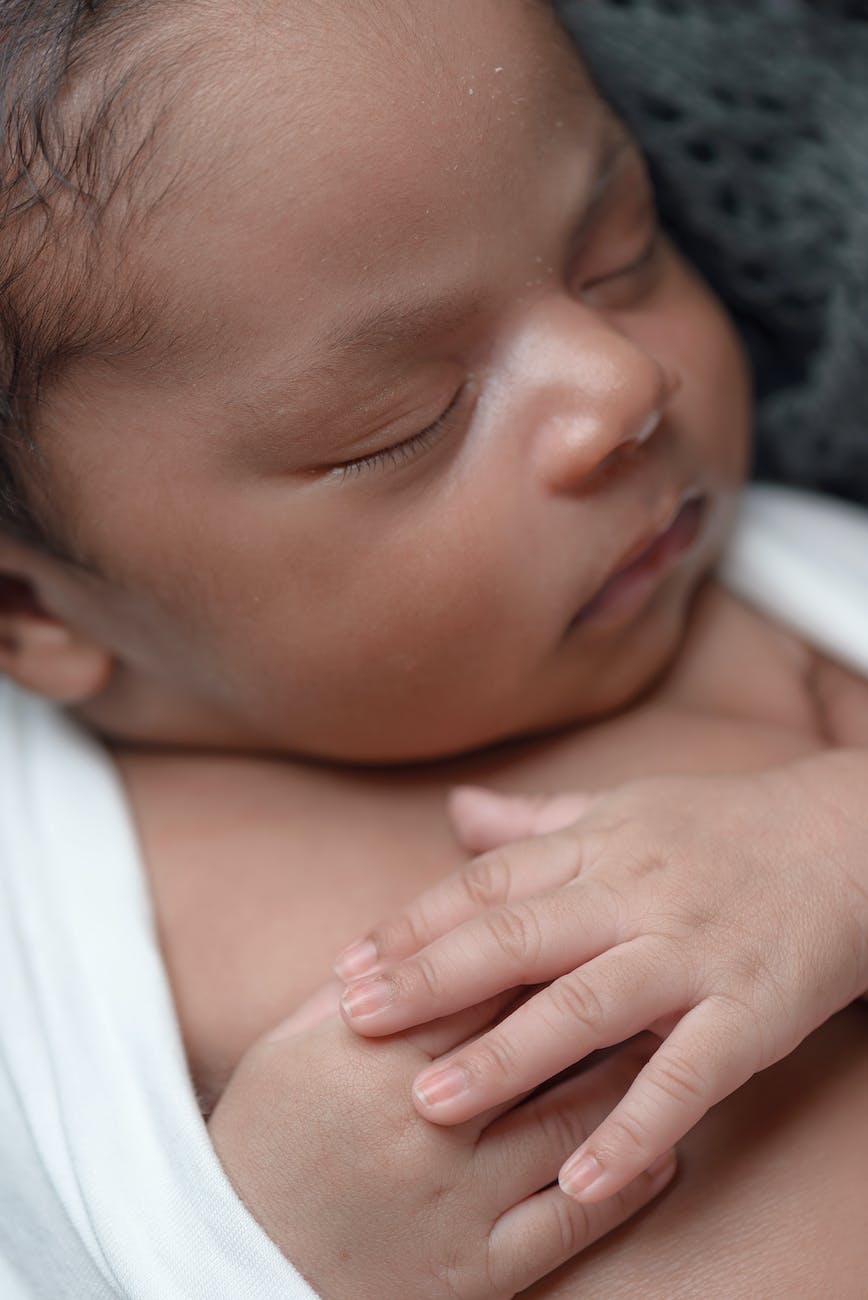
These stressful experiences also appear to be transmitted from mother to child during pregnancy, altering the strength of infants’ brain circuits, according to a new study from researchers at Columbia, Yale, and Children’s Hospital of Los Angeles.
The study found similar brain changes in infants whose mothers experienced stress from adapting to a new culture during pregnancy.
“A leading hypothesis would be that the connectivity changes that we see could reduce one’s ability to regulate their emotions and increase risk for mental health disorders,” says the study’s lead author Marisa Spann, PhD, the Herbert Irving Associate Professor of Medical Psychology in the Department of Psychiatry at Columbia University Vagelos College of Physicians and Surgeons.

“It remains to be seen if the connectivity differences we found lead to long-term mental health outcomes in children. Our team and others in the field still have the opportunity to test this.”
Previous research by Spann and colleagues has documented the impact of various forms of prenatal distress—depression, stress, and anxiety—on the infant brain. “We work with vulnerable and underrepresented populations, and the experience of stigma and discrimination are distressingly common,” Spann says. “This naturally led to discussions about the impact of other stressors, like discrimination and acculturation, on the infant brain.”
In the new study, the researchers analyzed data collected from 165 young, mostly Hispanic women who had participated in an earlier study of teen pregnancy, stress, and nutrition by co-authors Catherine Monk, PhD, and Bradley Peterson, MD. The data included self-reported measures of discrimination and acculturation, along with measures of general stress, childhood trauma, depression, and socioeconomic status.
An analysis of the data showed that stress from discrimination and acculturation were separate and distinct from other types of stress and might have unique effects on the brain.
To look for these unique effects, the researchers compared the mothers’ discrimination and acculturation stress to the strength of their infants’ brain circuits, as measured with MRI scans. This analysis of 38 mother-infant pairs showed that infants of mothers who experienced discrimination generally had weaker connections between their amygdala and prefrontal cortex and infants of mothers who experienced acculturation stress had stronger connectivity between the amygdala and another brain region called the fusiform.
The amygdala is an area of the brain associated with emotional processing that is altered in many mood disorders. It also may be involved in ethnic and racial processing, such as differentiating faces.
“The amygdala is very sensitive to other types of prenatal stress,” Spann says, “and our new findings suggest that the experience of discrimination and acculturation also influences amygdala circuitry, potentially across generations.”
The take-home message, Spann says, is that “how we treat and interact with people matters, especially during pregnancy—a critical time point where we can see the far-reaching effects on children.”
Spann adds that more research is needed to investigate the biological mechanisms that carry the experiences of adversity from parent to offspring as well as the long-term impact of these findings. She currently is leading a study—funded by the Community-Based Participatory Research program of Columbia’s Irving Institute for Clinical and Translational Research and in collaboration with the Northern Manhattan Perinatal Partnership—to examine the relationship between maternal experiences of discrimination and acculturative stress on the development of their infant’s racial processing.
Sign up for the Daily Dose Newsletter and get the morning’s best science news from around the web delivered straight to your inbox? It’s easy like Sunday morning.



Leave a Reply