A huge amount of wildlife is traded on the internet, with e-commerce marketplaces, private forums and messaging apps being the most popular means to sell and buy live animals, plants, fungi and their parts and products online.
University of Adelaide researchers conducted a wide-ranging study, published in the British Ecological Society journal People and Nature, to see if wildlife was also being traded on the dark web, which is renowned as the home of the illicit substances, materials and pornography trade.
Using a database of more than 50 dark web marketplaces, the research team, led by Dr Phill Cassey from the Invasion Science and Wildlife Ecology Lab at the University of Adelaide’s Environment Institute, identified 153 species being traded.
If you enjoy the content we create and would like to support us, please consider becoming a patron on Patreon! By joining our community, you’ll gain access to exclusive perks such as early access to our latest content, behind-the-scenes updates, and the ability to submit questions and suggest topics for us to cover. Your support will enable us to continue creating high-quality content and reach a wider audience.
Join us on Patreon today and let’s work together to create more amazing content! https://www.patreon.com/ScientificInquirer
“While we did find small numbers of animals traded, the vast majority of advertisements were for plants and fungi,” Dr Cassey said.
“Most plants were advertised for their use as drugs, often as psychedelics, but some for their purported medicinal properties.
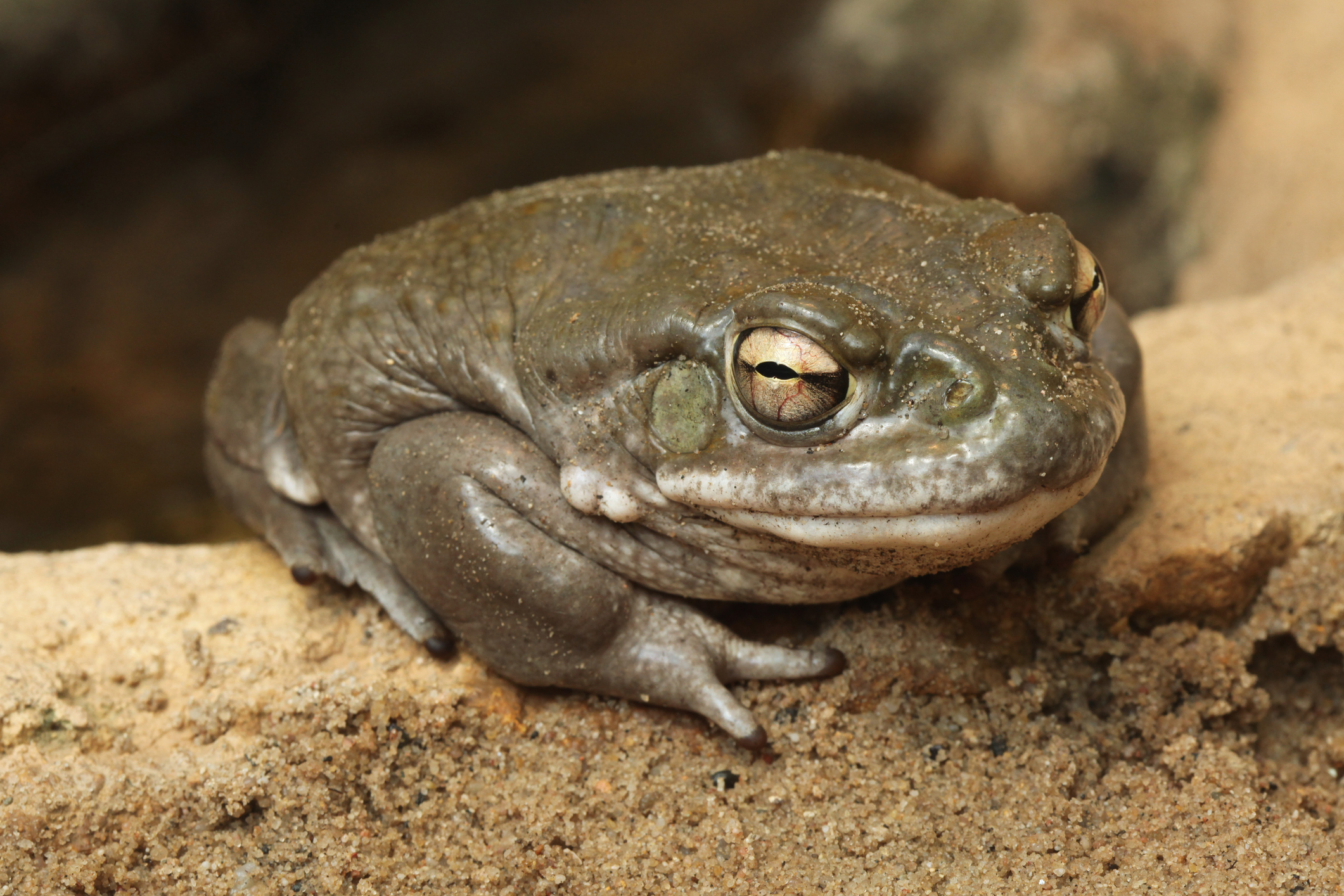
“Fungi and animals were also traded for use as drugs, including the infamous Colorado River toad, which is known for its ability to exude toxins from glands within its skin that have psychoactive properties.
“While wildlife is being commonly traded on the dark web, it is mostly for use as drugs and medicine, and not for other related trafficking crimes – for example, live exotic pets.
“This is important for understanding threats to biodiversity (unsustainable harvesting of wildlife) and biosecurity (illegal transport of pests, weeds and diseases) across international borders.”
Dr Cassey’s research team has been collecting data on the trade of wildlife in Australia from more than 100 websites and internet forums since 2019.
“For now, it seems that most traditional wildlife is being traded on the open (e-commerce marketplaces) and deep web (private forums and messaging apps), and not the dark web,” Dr Cassey said.
“This means that regular surveillance and enforcement can prioritise these areas of the internet.
“However, if conditions change in the future, and it becomes harder to sell wildlife openly online, then it remains plausible that a broader variety of wildlife will turn up on the dark web.”
Australia is one of 184 signatories to the Convention on International Trade in Endangered Species of Wild Fauna and Flora, otherwise known as CITES.
“The legality of online trade is complicated and depends on many factors including the laws of the country or countries involved, and whether the final sale even occurred,” he said.
“Australia has a responsibility and an opportunity to collect its own data on the internet trade of wildlife, assist other regional parties with collecting data on traded Australian species and report on the trade of exotic species being trafficked through Australia.”
IMAGE CREDIT: iStock



Leave a Reply