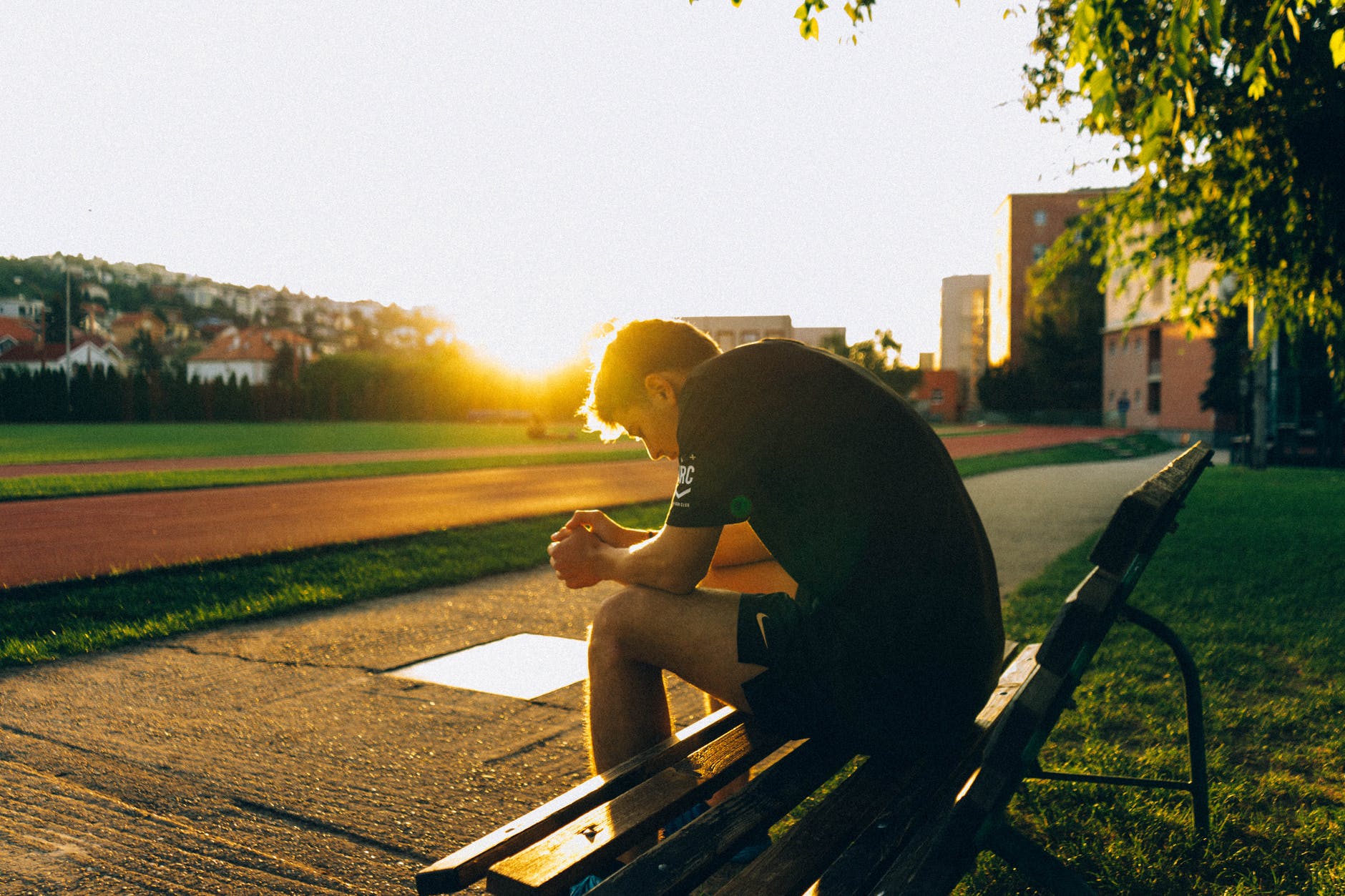
Athletes returning to training following long COVID should undergo a series of tests and seek regular advice from a multi-disciplinary team of specialists to ensure they are fit to resume exercise, according to a new study published in the journal Annals of Medicine.
Researchers from Anglia Ruskin University (ARU) included eight separate studies in an evidence review and made recommendations for athletes returning to training after suffering from long COVID.
The study defined “long COVID” as COVID-19 signs and symptoms lasting for more than four weeks as a result of COVID-19 infection. According to data from the World Health Organisation, 25% of people who have had the virus experience at least four weeks of symptoms.
Researchers recommended that, due to the risk of damage to organs such as the lungs, heart, brain or kidneys from long-term infection, potentially resulting in conditions such as pneumonia or myocarditis, any athlete recovering from long-lasting symptoms should undergo a series of tests to their physical health and regular ongoing assessments. These could include chest x-rays, blood tests, and MRI or ECG scans.

The authors also recommended ongoing monitoring from a multi-disciplinary team of health experts, as long COVID is still a relatively unknown condition and there may be an ongoing risk even after an apparent recovery. The mental health of athletes should also be considered.
Lead author Rosie Lindsay, Postgraduate Researcher at ARU, said: “Long COVID is a complex cluster of conditions that is still not fully understood. However, we know organ damage can result that people may be unaware of before any medical examination.
“Athletes put severe stress on their bodies during competition and so it is particularly important that they manage their return to competition extremely cautiously following a bout of long COVID. This includes a variety of thorough tests, and access to both medical professionals and appropriate health services, including for their mental wellbeing.
“We hope that these recommendations can provide athletes and professionals working with athletes with a guide to help them to manage long-term COVID-19 symptoms.”


Leave a Reply