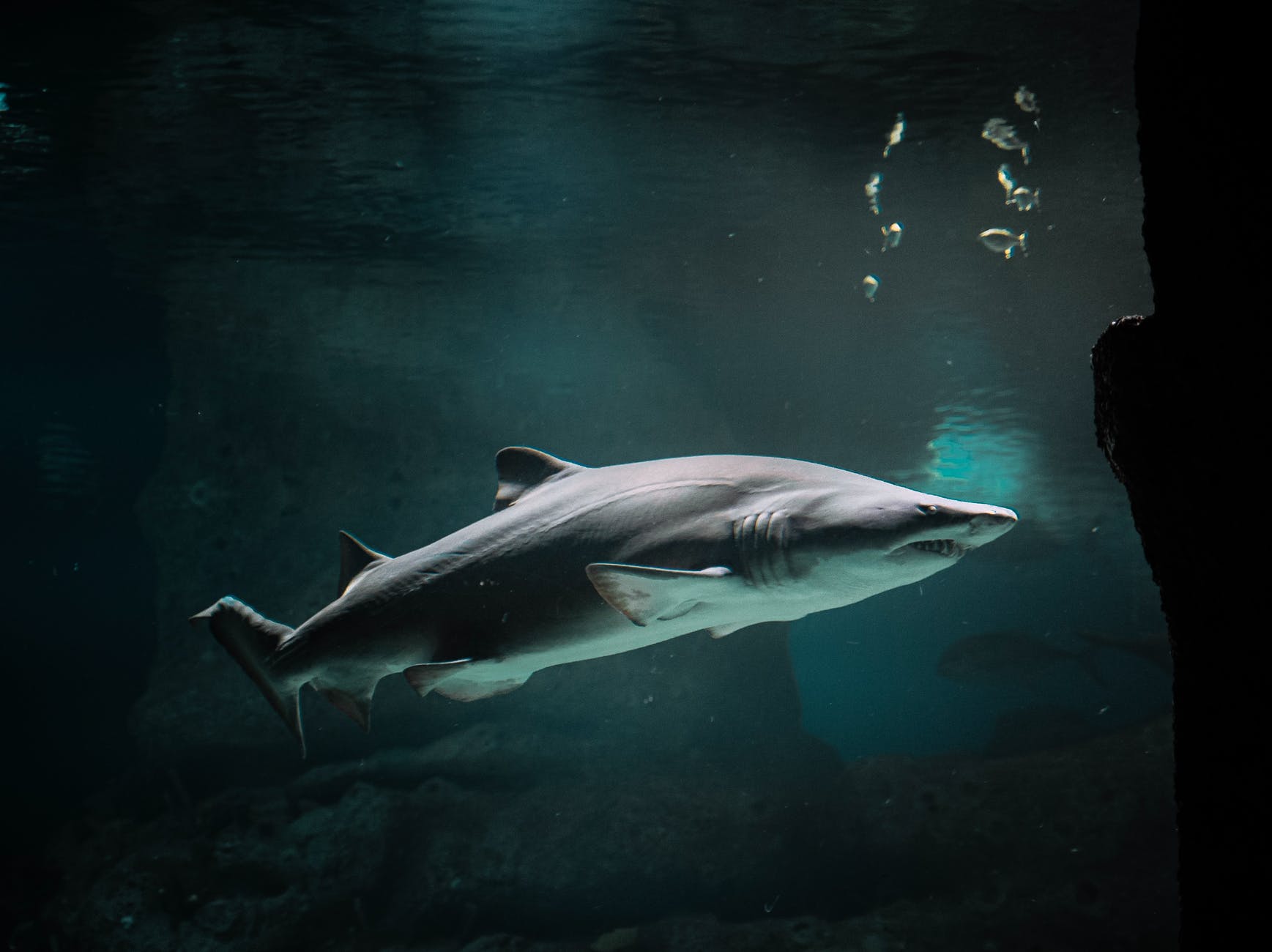
Rampaging sharks is a subject of endless fascination for humans. The massive jaws with razor sharp teeth. The black beady eyes that must indicate a blackened soul. The way it seems to slither about beneath the ocean’s surface, shrouded by silence and the opaque watery abyss. They’re harbingers of death in the form of a large cartilaginous fish, the real life monsters our subconscious fears. Of course, the truth behind killer sharks is far more mundane but much more fascinating in the long run.
Shark Week kicks off on National Geographic and Disney+ tonight with a trifecta of shows. Two episodes premiering tonight — When Sharks Attack and Rogue Sharks — provide a healthy dose of science in order to understand why sharks attack humans on rare occasions. Using highly publicized incidents of shark attack clusters (one in Texas and the other in Australia ) as their subjects, the shows take viewers on an investigative whodunit trying to identify which sharks were responsible for biting swimmers.
As the shows run through shark suspects, viewers are introduced to a range of different types of sharks and learn about their feeding habits and preferred habitats. But the both shows really shine when they discuss recent discoveries about sharks that go against the grain of public perception.
One example that stands out is when we learn that a recent change in seagrass distribution along the shores of Galveston may have played a role in the shark attacks. Now, you may wonder what seagrass has to do with carnivorous sharks. It turns out that some species of sharks are actually omnivores and eating grass is an important part of their diet. When one part of their diet disappears, it needs to be supplemented with something else. At least, that’s how the theory goes. You’ll have to watch tonight to find out the truth.
As you’d expect from shows associated with National Geographic, the visuals are really bang on and the scientists involved are knowledgeable and, most importantly, able communicators. Whether sharks are your thing or not, tonight’s shows, which also includes Shark Beach with Chris Hemsworth, will keep you wanting more. Good thing for you, Shark Week’s just starting.
When Sharks Attack premiers tonight at 8pm EST; Shark Beach with Chris Hemsworth premiers tonight at 9pm EST; and Rogue Shark? premiers tonight at 10 pm EST on the National Geographic Channel.



Leave a Reply