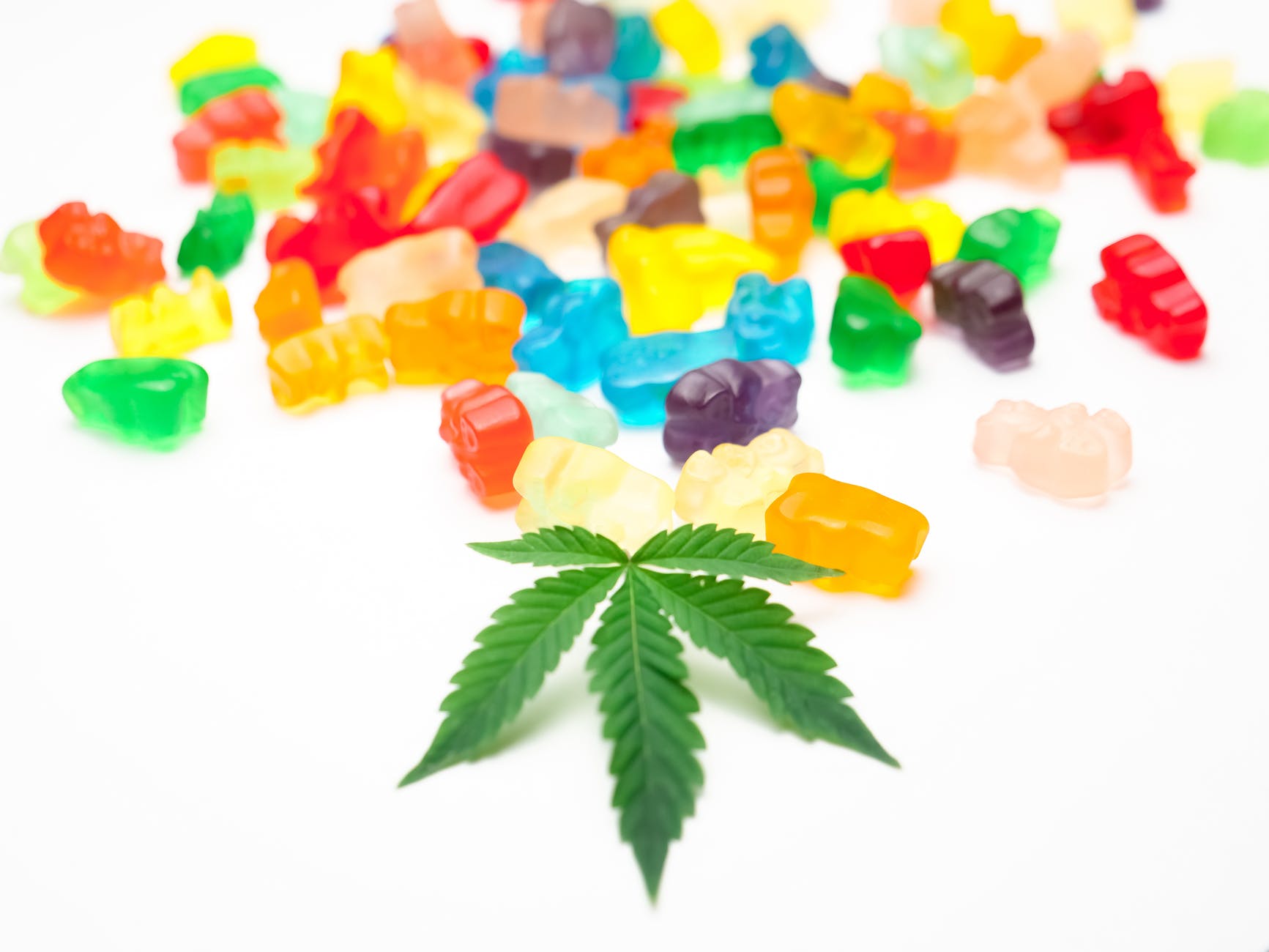
In recent years, the use of medical cannabis to treat sick kids is on the rise, although questions remain about the benefits and safety of such treatments. Now, a team of researchers from the Hebrew University of Jerusalem (HU) has completed a first-ever meta-analysis of pediatric patients treated with medical cannabis to better understand the risks and benefits of cannabis use among young patients.
The meta-review was led by Professor Ilan Matok at HU’s School of Pharmacy and the David R. Bloom Center for Pharmacy, along with and PhD candidate Nir Treves. They will present their findings at the 31st Annual International Cannabinoid Research Society Symposium (ICRS) being held in Jerusalem this week, for the first time ever. The conference host is HU’s Multidisciplinary Center for Cannabinoid Research (MCCR), a leading research center on cannabinoids, endocannabinoids, and medicinal cannabis.
Matok and his team found that medical cannabis is particularly successful at treating severe epilepsy and chemotherapy’s pernicious side effects. However, the side effects of these treatments in kids is still an open question. As Matok explained, “since medical cannabis isn’t widely recognized as an accepted or regulated drug, there simply haven’t been enough studies to know whether it’s appropriate for children.”
The team looked at seven clinical studies involving approximately 500 young patients (under 18 years of age). Despite the limited number of participants, they were able to glean both positive and negative effects of medical cannabis use on kids’ mental and physical health. For example, the team found that CBD (cannabidiol) is effective at decreasing the number of severe seizures in children, especially those with hard-to-treat epilepsy. However, CBD also greatly suppresses their appetites. They also found that several cannabis plant ingredients used in medical treatments adversely affect children’s mental state, causing fatigue, apathy, dizziness, and lethargy.
“Children aren’t small adults,” shared Matok. “Medical cannabis affects kids differently, and doctors need to pay close attention to those differences”. On the plus side, medical cannabis proved very helpful for children undergoing chemotherapy, reducing the severity of the nausea and vomiting which often accompanies this treatment.
The study of medical cannabis in children is still in its infancy. Since cannabis is not registered as a medication, it is often prescribed to children on as-needed basis with limited clinical evidence. “Whereas Pfizer and Moderna were able to conduct clinical trials for their COVID-19 vaccine on kids, few top-notch clinical trials exist for cannabis use in children. The goal of our meta-analysis is to shed light on this area and provide doctors and parents with a more informed view of the potential of cannabis to help or harm their young patients,” Matok concluded.
Matok’s next research project is to study the effect? of medical marijuana on young patients, looking specifically at whether it raises their rates of depression, cardiovascular incidents and involvement in car accidents.


Leave a Reply