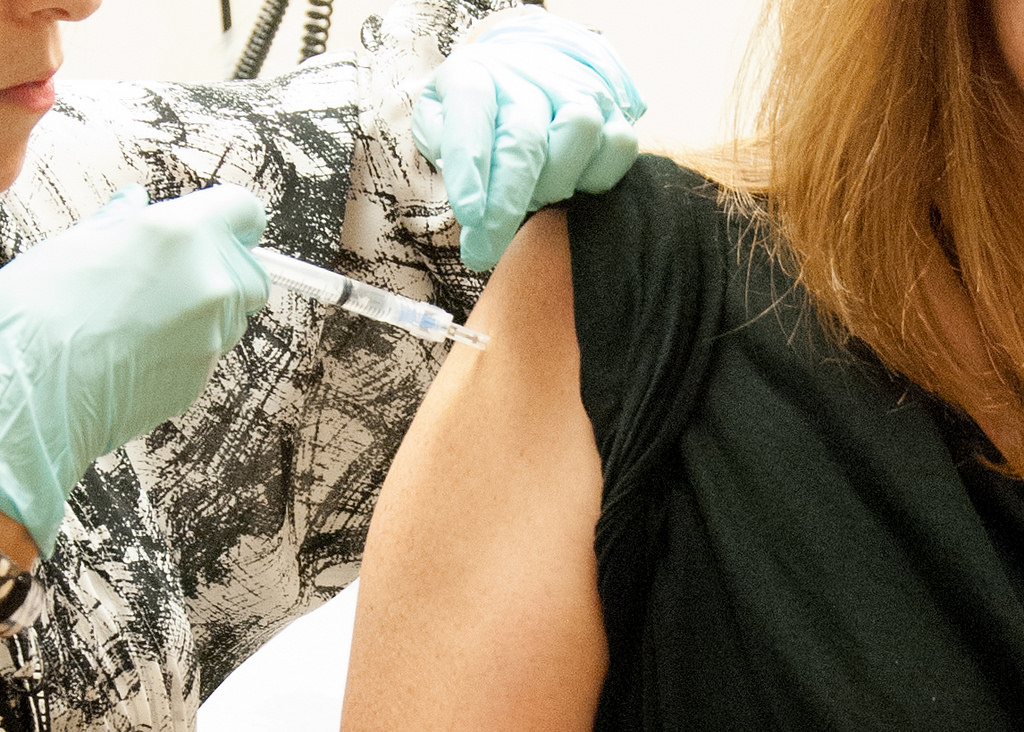
Slowly but surely, the world appears to be seeing glimpses of light at the end of the COVID-19 tunnel. The momentum is building toward vaccination approvals. Per STAT, “The United Kingdom on Wednesday became the first country to approve a Covid-19 vaccine developed by Pfizer and its partner BioNTech, a decision that will likely put pressure on the Food and Drug Administration to move swiftly to do the same. The vaccine is also the first to run the gauntlet of clinical studies normally required for approval. Russia and China have authorized vaccines without Phase 3 clinical trial data.” This is good news, particularly if corners aren’t being cut. https://bit.ly/33zSjbi
While we’re on the subject of approvals, lab-grown meat has made a major stride in its adoption. Someone is actually selling it in grocery stores. Per Channel News Asia, “Announcing this on Wednesday (Dec 2), Eat Just said its cultured chicken has been given ‘first-in-the-world regulatory approval’ by Singapore authorities. It will be used as an ingredient in its ‘chicken bites’ or nuggets which the company plans to launch at a later date. This would likely be the first time globally that a cultured meat product is sold commercially, said the Singapore Food Agency (SFA), which made public on Wednesday guidelines to ensure the safety of food inventions.” The move away from animal meat has so many positive implications for the environment and public health. The question is: what externalities will emerge from meat alternatives? https://bit.ly/3mxhpiH
Efficient and clean energy has been a sustainability holy grail. And while nuclear energy isn’t exactly at the top of environmentalists’ lists, there’s just no denying that it’s cleaner than the carbon-based alternatives currently in place around the world. Fusion reactors for energy are considered a best-in-class form of nuclear energy. Unfortunately, none exist yet. “The U.K. government today invited communities around the country to volunteer a site for a prototype fusion reactor, which would be the first—it is hoped—to put electricity into the grid. The project, called Spherical Tokamak for Energy Production (STEP), began last year with an initial £222 million over 5 years to develop a design. The U.K. Atomic Energy Authority (UKAEA), the government agency overseeing the effort, says construction could begin as soon as 2032, with operations by 2040.” There will be questions about safety and rightly so. Still, in the path toward truly clean energy, it’s a move in the right direction. https://bit.ly/39zbPsv
Speaking of sustainability, the Lancet proposed a plan called The Planetary Health Diet that coupled healthy eating with sustainability concerns. While nobody doubts the plan’s benefits on paper, there is always the question of cost. Too many times, healthy eating is only available to people with the means to do so. A study in BMC Nutrition Journal studied the costs of adopting the diet in Australia. The authors discovered: “The Planetary Health Diet basket was shown to be less expensive and more affordable than the Typical Australian Diet basket nationally, in all metropolitan areas, in all socio-economic groups across Australia (median cost: Planetary Health Diet = AUD$188.21, Typical Australian Diet = AUD$224.36; median affordability: Planetary Health Diet = 13%, Typical Australian Diet = 16%; p = < 0.05).” That is definitely a good start. Obviously, Australia is an affluent nation. Resource poor countries are where the real rubber hits the road. https://bit.ly/36uleiW


Leave a Reply