Camp Mystic in Texas flooded on July 4, killing 27 people, including 25 children. Over 200 millimeters (over seven inches) of rain fell over the area in 12 hours, and the Guadalupe River rose nearly 8 meters (26 feet) in just 45 minutes. New research recreated the flood conditions and found multiple spots upstream where local communities could have placed water level monitors to give early warnings about rising water.
Researchers presented the findings on Thursday, 18 December at AGU25, joining more than 20,000 scientists discussing the latest Earth and space science research.
The flooding of the camp occurred along a confluence of the South Fork Guadalupe River and Cypress Creek and contained no upstream monitoring of water levels. While the United States Geological Survey has over 11,000 gauges measuring river conditions across the country, many rural areas still lack such devices.

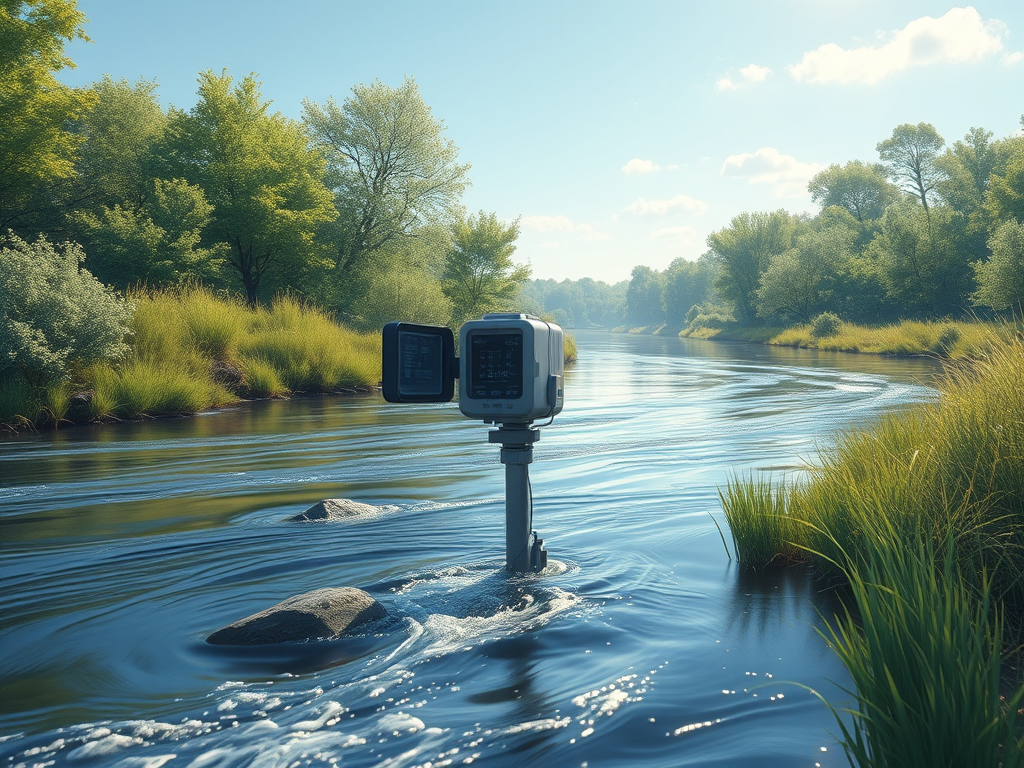
A team at the University of South Carolina is conducting research on cheap, solar-powered sensors that could be placed upstream to serve as early warning bells for rivers without government gauges.
Ayman Mokhtar Nemnem, the lead author of the study, used computer simulations to reconstruct the storm and flood evolution. The modeling revealed multiple spots where sensors could have been placed to warn downstream communities of the rising danger — specifically, certain upstream tributaries where water began rising several hours before the flooding made it downstream.
The researchers aim to make those sensors cheap, easily accessible, and open source so anyone would be able to use them.
“If we are able to monitor those locations in advance, it can give us a few hours so that we can prepare those in vulnerable locations,” Nemnem said.
One issue preventing adequate planning for the July 4 flood was that water levels on the Guadalupe River exceeded modeled predictions based on severe floods historically occurring only once every 100 to even 1,000 years.
Climate change is projected to impact rainfall and droughts, and flash flooding events have been steadily increasing with over 5,100 flash flood warnings issued in the United States this year. It’s the first time over 5,000 warnings have been issued and beats the previous record holder by 400 warnings.
“Patterns have changed,” said Jasim Imran, a researcher at the university and a co-author on the study. “They’re not like before. So, we need to be proactive with our infrastructure, our resources and our understanding of the process. We need to be resilient to whatever comes our way.”
.jpg)


Leave a Reply