Brain–Computer Interfaces, AI, and the Battle for Mental Privacy
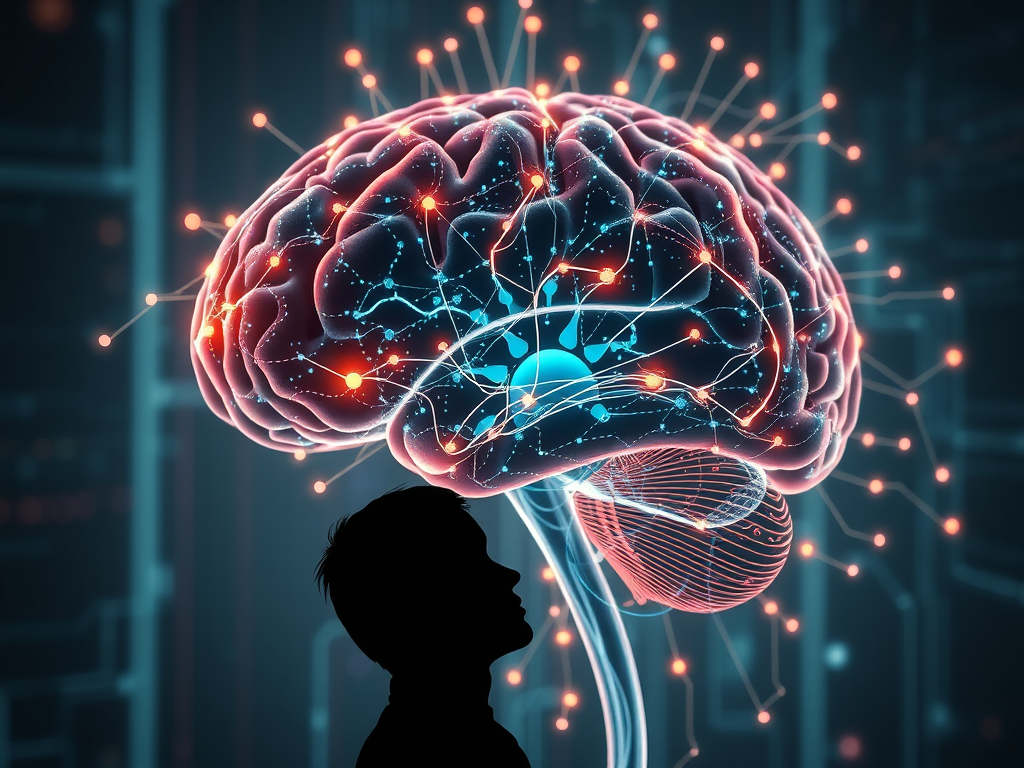
Implanted brain–computer interfaces (BCIs) are rapidly evolving from experimental motor prosthetics to systems that tap deeper cognitive processes, decoding intentions and even fragments of inner speech from regions like the posterior parietal cortex. These AI-enhanced devices can anticipate a user’s moves milliseconds before conscious awareness and may one day help treat paralysis and psychiatric disorders. Meanwhile, consumer neurotech using EEG is proliferating with minimal oversight, giving companies access to brain-state data that can be merged with digital traces to infer mood, attention or susceptibility to influence. Ethicists warn that neural data could supercharge an already intrusive data economy. They argue for new “neurorights” and fiduciary duties so neurotech developers must act in users’ best interests, not advertisers’ or platforms’ objectives. (Nature)
Alzheimer’s Early-Warning Signs Get Sharper
New findings presented at the Society for Neuroscience meeting highlight multiple avenues for catching Alzheimer’s disease earlier and tailoring treatment. One study used brain-imaging data and computational modeling to show that an imbalance between excitatory and inhibitory neural activity can distinguish people with mild cognitive impairment who later progress to Alzheimer’s from those who remain stable. Others link early sleep and circadian-rhythm disruption to rewired brain circuits in mouse models, and show that combinations of existing drugs targeting metabolism and inflammation may improve biomarkers, especially in females. Together, the work pushes toward sex-specific biomarkers and earlier detection, while reinforcing the role of sleep and metabolic health in brain aging. (EurekAlert)
Exercise-Inspired “Brain Boost” in a Syringe
A mouse study reported by New Atlas suggests some of exercise’s brain benefits might one day be delivered without breaking a sweat. Researchers collected extracellular vesicles (EVs)—tiny molecular “packages”—from the blood of active and sedentary mice. When they injected EVs from the runners into sedentary animals, the recipients showed about 50% more new neurons in the hippocampus than controls, despite never exercising themselves. The effect didn’t alter overall brain structure and hasn’t yet been linked to cognitive gains, but it points to a potential therapy for people unable to exercise due to frailty, disability, or disease. The work also underscores how systemic factors in blood mediate neurogenesis. (New Atlas)
Heavy Lifting Lifts Mood and Lowers Inflammation in Women
A randomized trial from the University of Georgia found that a structured weightlifting program can simultaneously improve mood and dampen inflammation in women. Sedentary participants completed 12 weeks of supervised resistance training or remained inactive. Women in the lifting group reported reduced depressive symptoms and perceived stress and showed biological changes, including lower levels of inflammatory markers and better heart-rate variability, a measure of stress resilience. Benefits appeared even though the women weren’t training like competitive lifters; standard, progressive strength routines were enough. The study supports prescribing resistance training—not just cardio—as a low-cost tool for mental health and chronic inflammation, especially in women who are new to exercise. (Mary Frances Early College of Education)
Which Workouts Best Ease Mood and Sleep in Cognitive Impairment?
A new systematic review and network meta-analysis in Frontiers in Psychiatry compares exercise types for people with cognitive impairment. Analyzing 40 randomized trials involving nearly 3,000 participants, researchers ranked interventions by their impact on depression, anxiety, sleep, and quality of life. Exergaming—video game–style, movement-based training—emerged as the most effective for reducing depression and anxiety. Multicomponent exercise (combining strength, balance, and aerobic work) also significantly reduced depressive symptoms, while mind-body practices such as tai chi and similar approaches best improved quality of life. The authors argue that tailored exercise prescriptions could complement medications, especially where mood, sleep problems, and cognition interact. (Frontiers)
Digital Health Tools Help Kids Hit Activity and Screen-Time Targets
A news release on EurekAlert describes a study testing app-based digital tools to nudge families toward healthier habits. Children using a digital health platform that tracked steps, prompted activity, and provided feedback were more likely to meet guidelines for daily physical activity and to limit recreational screen time than those receiving standard health education alone. Parents also reported better awareness of their kids’ behaviors. The intervention didn’t eliminate sedentary time or dietary challenges, but it suggests that thoughtfully designed digital tools—when combined with family support—can improve adherence to pediatric lifestyle recommendations, rather than just adding more screen time. (Eureka Alert)

Lean Beef Finds a Place in a Mediterranean Diet
New research from Penn State suggests moderate lean beef can fit into a heart-healthy Mediterranean diet without raising a key cardiovascular risk marker. In a controlled feeding study, 30 adults cycled through four diets: an average American pattern with regular beef and three Mediterranean-style diets containing different amounts of lean or extra-lean beef. Blood levels of trimethylamine N-oxide (TMAO)—an emerging risk indicator tied to animal-product intake—were lower when participants ate Mediterranean-style diets with 0.5 or 2.5 ounces of lean beef daily than on the American diet. Gut microbiome diversity also improved on Mediterranean patterns. The authors stress that meat remained unprocessed and portions moderate; overall dietary quality still mattered most. (Penn State News)
Ultra-Processed Foods Tied to Early Colon Changes in Younger Women
An analysis summarized by The American Journal of Managed Care links high consumption of ultra-processed foods (UPFs) to a higher risk of early-onset colorectal adenomas—precancerous growths—in women under 50. Drawing on decades of data from the Nurses’ Health Study II, researchers compared dietary patterns with colonoscopy findings before age 50. Women who ate the most UPFs, especially processed meats, sugary drinks, and packaged snacks, had up to about 45% higher odds of developing early adenomas than those who ate the least. The study can’t prove causation but adds to concerns that UPFs may be driving some of the rise in early-onset colorectal cancer, reinforcing calls to shift diets toward minimally processed foods. (AJMC)
Infant Botulism Outbreak Traced to Tainted Formula
CIDRAP reports that US health officials have identified 13 cases of infant botulism tied to ByHeart Whole Nutrition infant formula. Infants in 10 states were hospitalized, though no deaths have been reported. Illness onset ranged from mid-August through November, prompting a November 8 recall of two formula lots; the product accounts for roughly 1% of US formula sales, so shortages aren’t expected. Botulism in infants occurs when spores of Clostridium botulinum colonize the gut and produce toxin, leading to constipation, weak cry, poor feeding, and flaccid paralysis if untreated. Clinicians and parents are urged to watch for early symptoms and check lot numbers against recall lists. (CIDRAP)
Canada Loses Measles Elimination Status After Record Outbreaks
Another CIDRAP story details how Canada has officially lost its measles elimination status after a record year of outbreaks. The country had been measles-free since 1998, but clusters of under-vaccinated communities allowed sustained transmission in 2024–2025, exceeding thresholds set by the World Health Organization. The change doesn’t mean measles is now endemic, but it signals long-lasting transmission chains and gaps in population immunity. Public health experts warn that the reversal highlights the fragility of measles elimination worldwide, given the virus’s extreme contagiousness and rising vaccine hesitancy. Canada is now racing to bolster MMR vaccination, improve surveillance, and target outreach to communities with low coverage. (CIDRAP)
When “Just One More Scroll” Turns Dangerous
Psychology Today reviews new evidence that it’s not just how long teens are on their phones, but how they’re using them, that may be linked to suicide risk. Drawing on a JAMA Pediatrics momentary assessment study, the article describes how spikes in suicidal thinking often followed specific patterns of digital behavior—such as late-night doomscrolling, cyberbullying exposure, or compulsive checking—rather than total screen-time alone. Experts quoted argue that interventions should prioritize improving sleep, setting boundaries around emotionally charged online interactions, and teaching coping skills, rather than simply cutting hours. The piece urges parents and clinicians to ask detailed questions about what kids do online and how it makes them feel. (Psychology Today)
AI Reads “Molecular Ghosts” of Earth’s Earliest Life
Researchers have trained an AI to spot signs of ancient life in rocks by reading the chemical “ghosts” left behind as biomolecules degrade over billions of years. Instead of hunting intact lipids or pigments, the team used pyrolysis GC-MS to shatter 400+ biological and abiotic samples into hundreds of thousands of molecular fragments, then fed these complex chemical “landscapes” into a random forest model. The system distinguished biotic from non-biotic samples with over 90% accuracy and detected biosignatures in 3.3-billion-year-old rocks—far older than previous molecular evidence. It also pushed back the molecular trace of oxygen-producing photosynthesis to 2.5 billion years ago. Though performance drops for the oldest rocks, researchers plan to expand training data and adapt the method for Mars, Europa, and Enceladus. (Science)



Leave a Reply