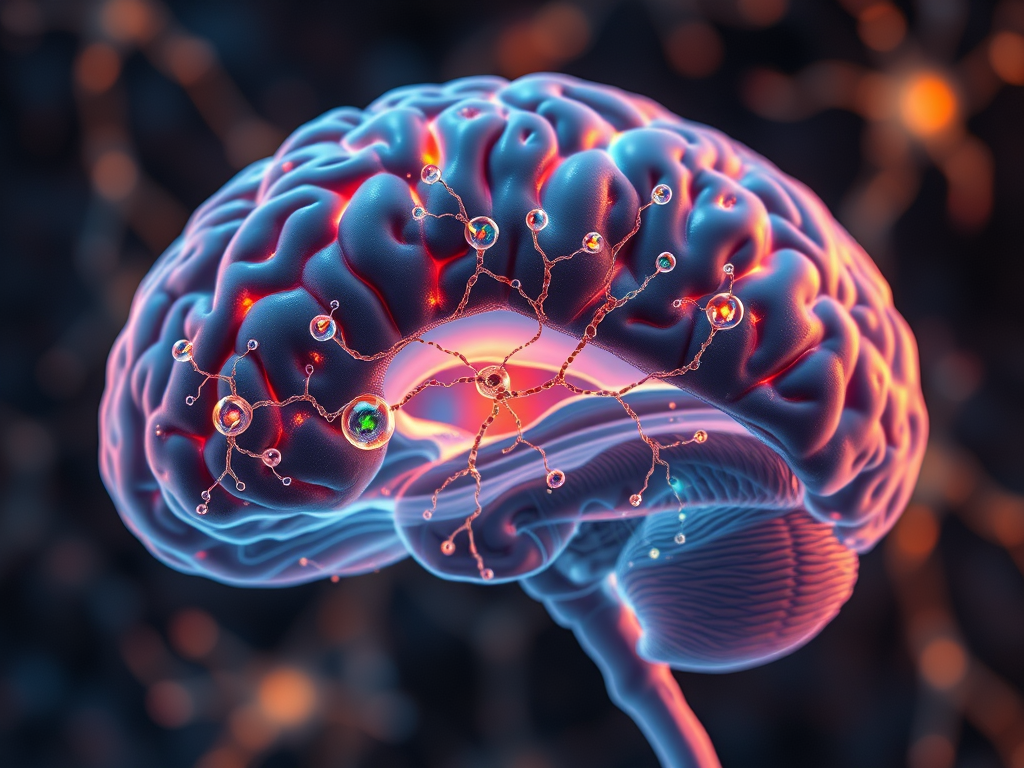
Scientists from Duke-NUS Medical School and their collaborators have created one of the most comprehensive single cell maps of the developing human brain. The atlas captures nearly every cell type, their genetic fingerprints, and how they grow and interact. It also benchmarks best-in-class laboratory methods for producing high-quality neurons, marking a major step towards new therapies for Parkinson’s disease and other brain disorders.
Parkinson’s disease is Singapore’s second most common neurodegenerative disorder, affecting about three in every 1,000 people aged 50 and above[1]. The condition damages midbrain dopaminergic neurons—cells that release the chemical dopamine to control movement and learning. Restoring these cells could one day help alleviate symptoms such as tremors and mobility loss.
To better understand how these neurons develop when grown in a laboratory, the Duke-NUS team built a two-step mapping framework called BrainSTEM (Brain Single-cell Two tiEr Mapping). Working with partners, including the University of Sydney, they analysed nearly 680,000 cells from the fetal brain to map the entire cellular landscape.
The second higher-resolution projection focuses on the midbrain—pinpointing dopaminergic neurons with greater precision. This “comprehensive reference map” now provides scientists worldwide with a standard to evaluate the accuracy of midbrain models, compared to the real human brain.
Dr Hilary Toh, an MD-PhD candidate from the Neuroscience & Behavioural Disorders programme at Duke-NUS Medical School and one of the first authors of the paper, said:
“Our data-driven blueprint helps scientists produce high-yield midbrain dopaminergic neurons that faithfully reflect human biology. Grafts of this quality are pivotal to increasing cell therapy efficacy and minimising side effects, paving the way to offer alternative therapies to people living with Parkinson’s disease.”

The study, which was recently published in the journal Science Advances, found that many methods used to grow midbrain cells also produced unwanted cells from other brain regions. This shows that both the lab techniques and the data analysis need improvement to detect and remove these off-target cells.
Dr John Ouyang, Principal Research Scientist from Duke-NUS’ Centre for Computational Biology and a senior author of the study, said:
“By mapping the brain at single-cell resolution, BrainSTEM gives us the precision to distinguish even subtle off-target cell populations. This rich cellular detail provides a critical foundation for AI-driven models that will transform how we group patients and design targeted therapies for neurodegenerative diseases.”
Assistant Professor Alfred Sun from Duke-NUS’ Neuroscience & Behavioural Disorders programme, who’s also a senior author of the paper, added:
“BrainSTEM marks a significant step forward in brain modelling. By delivering a rigorous, data-driven approach, it will speed the development of reliable cell therapies for Parkinson’s disease. We’re setting a new standard to ensure the next generation of Parkinson’s models truly reflects human biology.”
The team will provide their brain atlases as an open-source reference and the multi-tier mapping process as a ready-to-use package. With BrainSTEM being a framework that can be applied to sieve out any cell type in the brain, labs worldwide can deploy it to deepen insights, refine workflows and accelerate discovery across neuroscience.
Professor Patrick Tan, Senior Vice-Dean for Research at Duke-NUS, said:
“This study redefines the benchmark—establishing multi-tier mapping as essential for capturing cellular detail in complex biological systems. By revealing how the human midbrain develops in such detail, we will accelerate Parkinson’s research and cell therapy, delivering better care and offer hope to people living with the disease.”



Leave a Reply