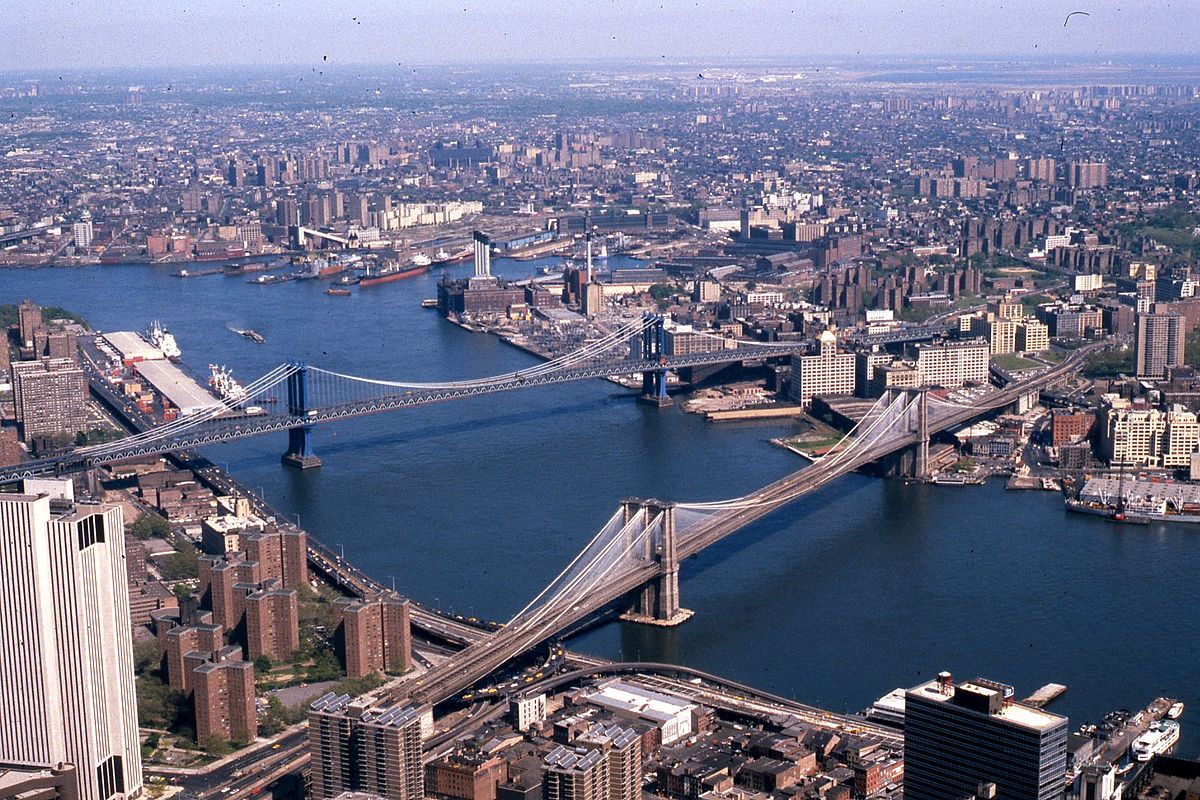

Spanning the East River, the Manhattan and Brooklyn Bridges stand as iconic conduits of both physical connection and urban energy flow. While these bridges are famed for their architecture and history, they also play a critical role in the city’s infrastructure—not just for transportation but for enabling access to energy and resources pivotal to New York’s functioning and modernization.
In cities like New York, bridges support more than just human traffic: they carry vital underground utilities—geothermal lines, high-voltage cables, water mains, fiber-optic conduits—linking boroughs with the energy grid and digital networks that enable daily life. The Manhattan Bridge, completed in 1909, and the Brooklyn Bridge, completed in 1883, were initially built to accommodate evolving transportation needs. However, their below-deck utility passages have since become arteries for the city’s power and data distribution systems.
Cross-river electrical transmission, often delivered via submarine cables and bridge conduits, supports the continuity of power across boroughs, balancing load demands and maintaining redundancy. During emergencies or maintenance, these paths enable rerouting of power—minimizing disruptions.
Additionally, bridges influence urban microclimates: their steel structures absorb heat, create wind corridors, and alter sunlight exposure on surrounding waterways. These effects moderate local weather patterns and affect evaporation and heat island phenomena.
Viewing this 1981 aerial photo today invites reflection on how historic infrastructure transcends its surface purpose. It illustrates the multilayered roles of our city’s landmarks—not just as routes for vehicles and pedestrians, but as lifelines for the unseen yet essential networks that power, cool, and connect New York City.




Leave a Reply