
TIGERS LIONS AND PANTHER DIE FROM H5N1 OUTBREAK
In Vietnam, 47 tigers, three lions, and a panther have died from the H5N1 bird flu virus, according to state media reports on October 2. The fatalities occurred at My Quynh Safari Park in Long An province and Vuon Xoai Zoo in Dong Nai between August and September. Test results from the National Centre for Animal Health Diagnosis confirmed the cause of death as the H5N1 type A virus. Both zoos declined to comment, but reports indicated no zoo staff showed respiratory symptoms after being in close contact with the affected animals. Education for Nature Vietnam (ENV) reported that there were 385 tigers in captivity in Vietnam at the end of 2023, with approximately 310 in privately owned facilities. The World Health Organization (WHO) has noted rising cases of H5N1 outbreaks among mammals, highlighting that infections can be severe or even fatal in humans. Vietnam informed the WHO of a human fatality related to the virus in March. (Channel News Asia)
ANTIMICROBIAL RESISTANCE THREATENS FOOD SECURITY AND ECONOMY
A recent report from the World Organization for Animal Health (WOAH) reveals the potential catastrophic effects of antimicrobial resistance (AMR) on food-producing animals, food security, and the global economy. Analyzing data from 204 countries, the report estimates that without intervention, annual livestock production losses from drug-resistant bacteria could meet the consumption needs of 746 million people, resulting in a cumulative global GDP loss of $575 billion by 2050. In a pessimistic scenario, AMR could threaten the food supply of over 2 billion people and incur a GDP loss of $953 billion. The report underscores the urgency of addressing AMR’s impact on animals and emphasizes the economic rationale for investing in solutions. Mitigation strategies, including reducing antibiotic use in livestock by 30%, could yield significant economic benefits, with a projected GDP increase of $120 billion by 2050. Recommendations include enhancing surveillance, educating farmers, and promoting responsible antibiotic use to combat this growing crisis. (CIDRAP)
SEX WORKERS IN CONGO STRUGGLE WITH MPOX STIGMA
Sifa Kunguja, a 40-year-old sex worker in eastern Congo, struggles to regain clients after recovering from mpox due to stigma and fear surrounding the virus. In Kamituga, where an estimated 40,000 sex workers operate, many are single mothers reliant on this risky profession to support their families. Despite the high transmission rate of mpox among sex workers, they continue to work out of necessity, with many reporting a drastic drop in clients since contracting the virus. Health officials emphasize the need for targeted interventions, including increased access to condoms and educational outreach, but local leaders argue they lack the resources to assist. The mining economy fuels the sex trade, yet many miners disregard the virus’s risks, complicating efforts to contain its spread. Experts stress the importance of including sex workers in health program planning to address their specific needs and ensure effective communication and resources are available. (AP)
OPENAI LAUNCHES DEVDAY WITH EXCITING API UPDATES
OpenAI launched its annual DevDay event in San Francisco on October 2, 2024, introducing significant API updates for developers. Unlike last year’s event, which featured a keynote from CEO Sam Altman, this year’s DevDay is a multi-day, global affair with future events scheduled in London and Singapore. A highlight is the Realtime API, now in public beta, which facilitates speech-to-speech conversations using six preset voices, simplifying the creation of voice assistants. OpenAI also announced “model distillation,” allowing developers to fine-tune smaller, cost-effective models, and “prompt caching,” which enhances inference speed and reduces costs by remembering frequently used prompts. Additionally, the company expanded its fine-tuning capabilities to include images, enabling improved visual recognition and applications in various fields. While Altman did not deliver a keynote, he attended and planned a closing fireside chat. He acknowledged dramatic advancements since the last DevDay, including significant cost reductions and increased token volume. (Ars Technica)

OPENAI’S O1 MODEL SHOWCASES IMPROVEMENTS FOR SCIENTIFIC USE
Researchers testing OpenAI’s new large language model, o1, report significant improvements in its usefulness for scientific applications. Mario Krenn from the Max Planck Institute notes that o1 provides more detailed and coherent responses than its predecessor, GPT-4o. The o1 series has undergone enhanced learning phases, allowing it to solve complex tasks in science, coding, and math more effectively. Notably, o1 outperformed PhD-level scholars in the Graduate-Level Google-Proof Q&A Benchmark, achieving a score of 78%, with an impressive 93% in physics. It also excelled in the International Mathematics Olympiad qualifying exam, scoring 83% compared to GPT-4o’s 13%. Using chain-of-thought logic, o1 provides reconstructed summaries of its reasoning, although it has been noted to hallucinate more frequently. While o1 can assist experts in generating research ideas and scientific protocols, it still requires careful validation due to its occasional inaccuracies, making it better suited for experienced users than novices. (Nature)
CYTISINE OFFERS PROMISE FOR SMOKING CESSATION AID
Darius Cohen, a forklift driver in Chicago, struggles to quit smoking due to stress from his fast-paced job. Despite trying various methods like gum and patches, he finds it challenging to stay smoke-free, as many smokers do. A recent review highlights cytisine, a plant-based compound found in the laburnum tree, as a potentially effective smoking cessation aid. Although cytisine has been used in Eastern Europe since the 1960s, it is not yet available in the U.S. A biotech company is conducting clinical trials to bring it to market, which could make it the first new smoking cessation drug since 2006. A 2023 analysis showed that cytisine is more effective than a placebo and similar in efficacy to varenicline (Chantix). While cytisine shows promise, experts emphasize that quitting still requires willpower and that medications alone cannot ensure success. The approval process for cytisine has faced delays, extending the timeline for potential market entry. (New York Times)
MILD TBIS DO NOT DIRECTLY CAUSE CRIMINAL BEHAVIOR
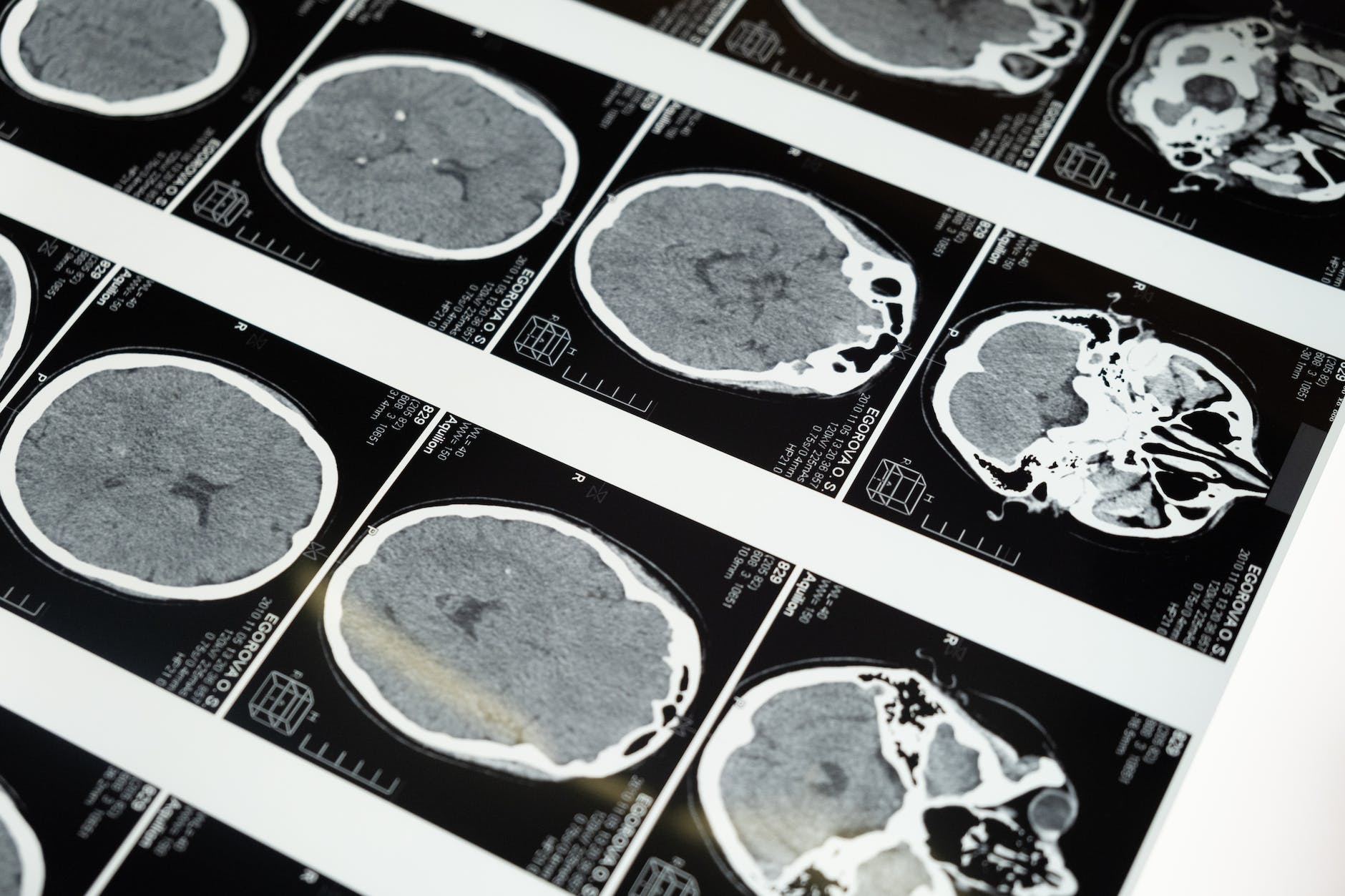
Research on Danish teenagers indicates that mild traumatic brain injuries (TBIs), such as concussions, do not directly cause criminal behavior, despite a correlation between TBI and increased rates of criminal charges. A study analyzed the medical and juvenile justice records of over 13,000 children with mild TBIs and found that 8.4% faced criminal charges compared to 6.3% in a control group. However, when controlling for variables like family background and education, the link between concussions and later criminality disappeared. Experts suggest that crime is an extreme outcome and a mild concussion may not significantly damage the brain to influence behavior. The study raises questions about the interaction of TBIs with existing risk factors like impulsivity and family environment. While the findings challenge assumptions about TBIs leading to criminality, they highlight the need for further research to understand the complex relationships between brain injuries and behavioral outcomes. (Science)
MONTANA BREEDER SENTENCED FOR ILLEGAL SHEEP CLONING
Arthur “Jack” Schubarth, an 81-year-old breeder in Montana, has been sentenced to six months in jail for illegally cloning Marco Polo argali sheep, a protected species. Schubarth imported body parts from Kyrgyzstan and created cloned embryos, resulting in a male sheep named “Montana Mountain King” (MMK), which he used to inseminate ewes for sale to trophy hunting operations. The U.S. Department of Justice described his actions as an audacious scheme to produce hybrid sheep for hunting. Marco Polo argali are protected under the Convention on International Trade in Endangered Species (CITES) to prevent disease transmission and hybridization with native sheep. Schubarth sold MMK’s semen and hybrids for substantial profits, with an offspring reportedly fetching $10,000. In addition to his jail sentence, Schubarth received a $20,000 fine, expressing remorse for his actions and the resulting impact on his family. MMK will be relocated to a zoo following the case. (BBC)
YUCATÁN CAVES REVEAL SECRETS OF PREHISTORIC CIVILIZATIONS
The underwater caves of the Yucatán Peninsula offer a glimpse into the region’s prehistoric past, having transformed over two million years through glaciation cycles. These caves, once flooded during high sea levels, are now time capsules preserving speleothems and archaeological remains. The ancient Maya civilization settled near cenotes—sinkholes that connect to vast underground river systems—considering them sacred water sources essential for their survival. The Maya associated cenotes with the mystical underworld Xibalba, where offerings were made to deities like Chaac, the rain god. Recent findings in the cenotes reveal evidence of human activity dating back over 13,000 years, challenging existing timelines regarding early human migration to America. Artifacts and remains of extinct megafauna, such as giant ground sloths, are preserved within these caves, offering insights into early human behavior and environmental interactions. Researchers continue to explore these underwater sites, uncovering fossils and evidence that may shed light on the mass extinction of megafauna linked to human arrival, suggesting a complex relationship between early humans and their environment. This collaboration between cave explorers and scientists aims to enhance understanding of our planet’s history and the impacts of human activity on extinct species. (Smithsonian)
Thanks for reading. Let’s be careful out there.
WORDS: The Biology Guy.
IMAGE CREDIT: Martin Martz.



Leave a Reply