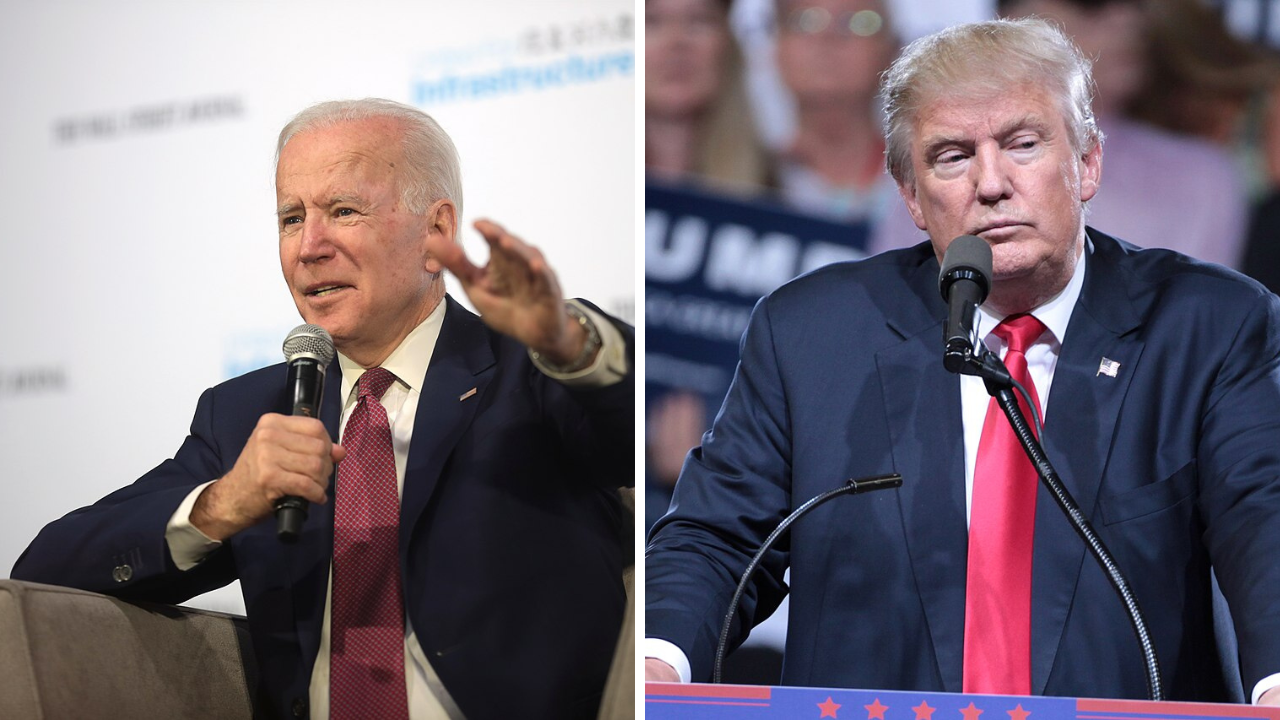
Right off the bat, let’s get this out of the way.
Casting a vote for Donald Trump, given his track record, approach to governance, and generally repulsive character, is like opting to steer the ship of state directly into the storm, ignoring all the navigational charts and weather warnings. It’s an absolute non-starter.
Got that?
An absolute non-starter.
That said, Paul Krugman, in his New York Times op-ed, eloquently navigates the sea of political discourse, charting a course that aligns closely with reason and evidence, except when it comes to one crucial point—Joe Biden’s age. On this front, Krugman’s argument drifts into the murky waters of wishful thinking, sidestepping a critical analysis grounded in the unforgiving reality of biological aging.

For those of you who do not have keys to the New York Times paywall, here is a quick summary of Krugman’s defense.
Titled, “Opinion | Why I Am Now Deeply Worried for America – The New York Times (nytimes.com),” the op-ed expresses a cautiously optimistic view on America’s future, highlighting the country’s strong economic growth and reduced inflation under Democratic leadership.
However, Krugman becomes profoundly concerned about the potential impact of President Biden’s age on American democracy. He draws parallels between current discussions on Biden’s age and past controversies, like Hillary Clinton’s email server, that had disproportionate effects on election outcomes.
Krugman criticizes the undue focus on Biden’s age, suggesting it overshadows more significant election stakes. He defends Biden’s mental acuity and effectiveness as president, contrasting it with Trump’s erratic behavior and incoherent speeches. Despite acknowledging the general issue of gerontocracy, Krugman argues that Biden’s leadership qualities and achievements outweigh concerns about his age, especially when compared to Trump, framing the election as a choice between a lucid, informed candidate and a factually challenged opponent.
Krugman posits, “Yes, it’s true that Biden is old, and will be even older if he wins re-election and serves out a second term… But there’s perception and there’s reality: As anyone who has recently spent time with Biden (and I have) can tell you, he is in full possession of his faculties — completely lucid and with excellent grasp of detail.”
This assertion, while reassuring to some, glosses over a fundamental issue: the science of aging does not play favorites. It is an inexorable force that impacts cognitive and physical abilities, regardless of one’s current state of health or sharpness of mind.
The science is clear—aging is associated with a decline in cognitive functions such as memory, attention, and processing speed, as well as a decrease in physical resilience. (Please don’t take our word for it. Give this article by the National Institute of Health’s National Institute of Aging about “How the Aging Brain Affects Thinking | National Institute on Aging (nih.gov)” a slow and deliberate read.) These changes can significantly affect the ability to respond to the fast-paced, high-pressure demands of the presidency. (Again, don’t take our word for it. You can read about “Cellular senescence in brain aging and cognitive decline” from Frontiers in Aging Neuroscience) It’s not just about being competent today; it’s about the ability to maintain that competence over the course of a term, or two, especially under the relentless pressure and stress inherent to the role. (And once more, don’t take our word for it. You can read about “Biological aging processes underlying cognitive decline and neurodegenerative disease” from the Journal of Clinical Investication.)
Furthermore, Krugman’s approach to deflecting concerns about Biden’s age with what-about-ism, comparing Biden’s occasional verbal slips to Trump’s incoherent ramblings, misses the point. He muses, “Maybe some people are impressed by the fact that Trump talks loud and mean. But what about what he’s actually saying in his speeches?”

Krugman rightly criticizes Trump’s lack of coherence, yet this comparison unwittingly minimizes legitimate concerns about the potential impact of aging on Biden’s ability to serve effectively. It’s not about choosing the less flawed candidate based on their speaking style; it’s about critically assessing the capacity for leadership in the face of aging, for both candidates.
Krugman also argues that “the lucid, well-informed candidate is getting more heat over his age than his ranting, factually challenged opponent.” While it’s essential to challenge Trump’s unfounded claims and erratic behavior, it’s equally important to scrutinize Biden’s age and its implications with honesty and rigor. Leadership demands not just wisdom and experience but also the stamina and cognitive flexibility to navigate complex, rapidly evolving global challenges.

By sidestepping a detailed discussion on the implications of aging, we risk overlooking a critical aspect of electoral decision-making—ensuring the chosen leader can withstand the rigors of the presidency. This isn’t about ageism; it’s about realism. The presidency is a demanding job, both mentally and physically, requiring quick reflexes, both metaphorically in decision-making and literally in responding to crises.
Let’s extend the conversation beyond achievements and past performance to include a forward-looking assessment of each candidate’s potential to adapt, respond, and lead in an increasingly complex and unpredictable world. Ignoring the science of aging does a disservice to the electorate, who deserve a comprehensive understanding of the challenges and risks associated with leadership at an advanced age.
While Krugman’s insights illuminate many facets of the current political landscape with acuity and depth, the discussion on Biden’s age requires a more nuanced, science-based examination. Leadership, especially in the highest office, is as much about the future as it is about the present. As we ponder the path ahead, let’s ensure our deliberations are anchored in a holistic understanding of what it takes to lead, both today and tomorrow.
WORDS: brice the contrarian (@bricemarsters).
IMAGE CREDIT: Gage Skidmore.
Sign up for the Daily Dose Newsletter and get the morning’s best science news from around the web delivered straight to your inbox? It’s easy like Sunday morning.



Leave a Reply