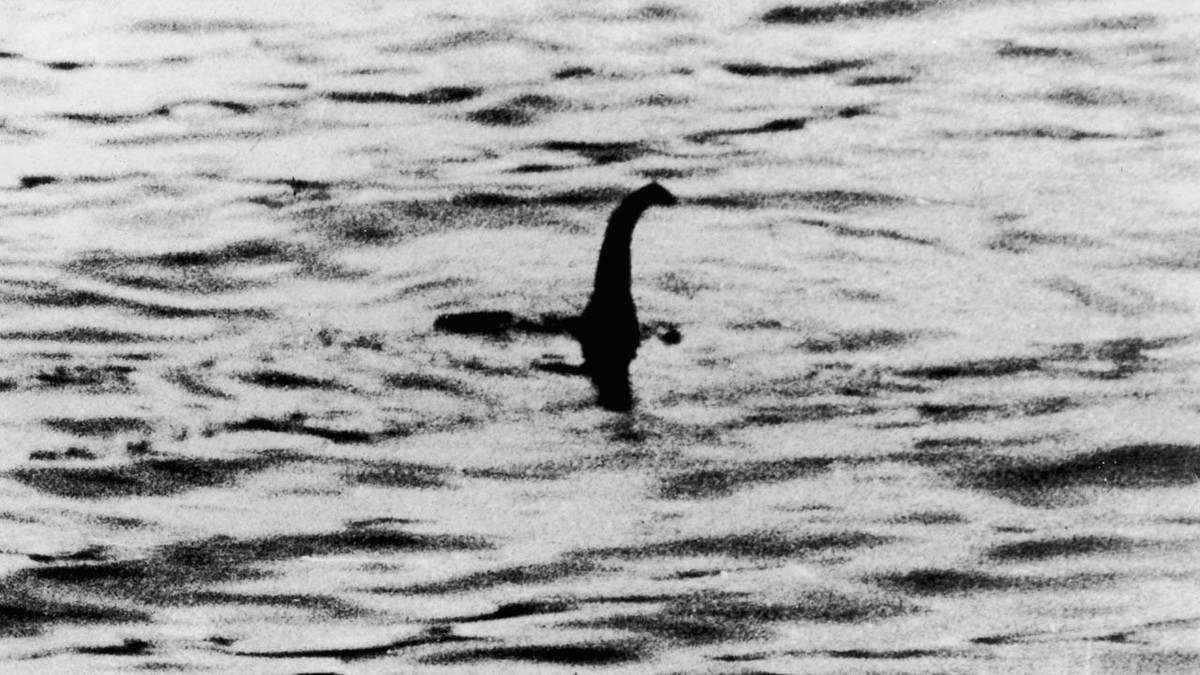
For decades, speculations about the Loch Ness Monster have captivated the world’s imagination, with some suggesting that giant eels may be responsible for many sightings. This research, however, casts doubt on the eel theory. The study used catch data from Loch Ness and other freshwater bodies in Europe to predict the likelihood of observing eels as large as previous estimates of the Loch Ness Monster’s size.
The chances of encountering a 1-meter eel in Loch Ness, according to the study, are approximately 1 in 50,000, which could explain some sightings of smaller unknown creatures. The probability of finding much larger eels, however, is virtually zero, debunking the theory that giant eels account for sightings of larger animals.

While acknowledging the potential presence of large eels in the loch, the study concludes that purely statistical considerations do not support the existence of exceptionally large eels.
“In this new work from the Folk Zoology Society, a much-needed level of scientific rigor and data are brought to a topic that is otherwise as slippery as an eel. Contrary to popular conception, the intersection between folklore and zoology is amenable to scientific analysis and has the potential to provide valuable insights into anthrozoological phenomena. This work also champions open access science and nontraditional publishing—the future of scientific publication,” says author Floe Foxon.
This study contributes to a better understanding of the Loch Ness Monster phenomenon and continues the quest to uncover the truth behind one of the world’s most enduring mysteries.
Sign up for the Daily Dose Newsletter and get the morning’s best science news from around the web delivered straight to your inbox? It’s easy like Sunday morning.




Leave a Reply