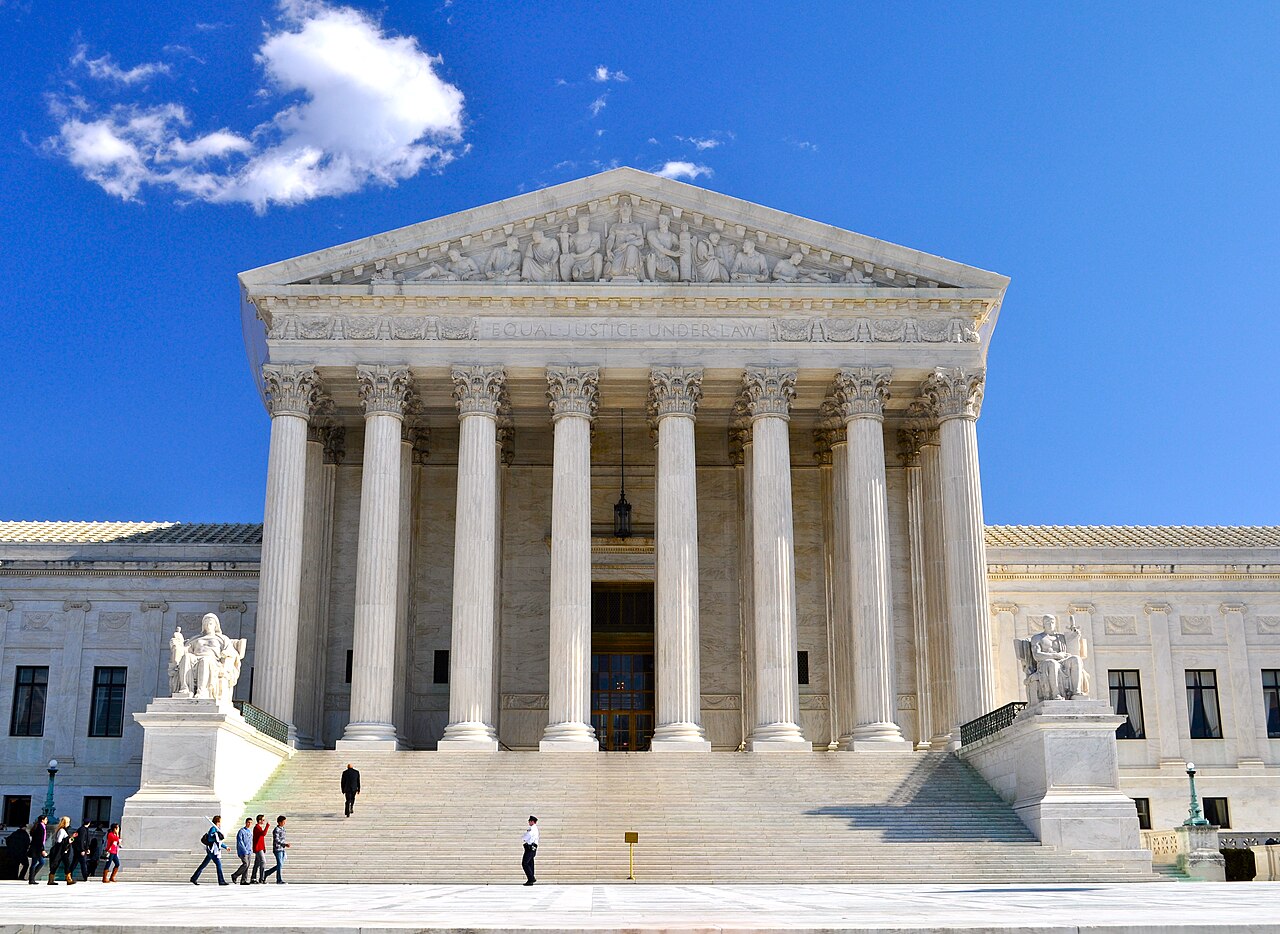
ON THE RUN.
The Texas Supreme Court overturned a lower court’s decision that had granted Kate Cox, over 20 weeks pregnant, a medical exception for an abortion due to her fetus’s fatal condition. The Supreme Court ruled the lower court erred in its interpretation of the medical exception under Texas’ strict abortion laws, which permit abortions only if the woman’s health or life is seriously threatened. This decision, specific to Ms. Cox’s case, indicates the court’s reluctance to broaden the medical exception under Texas law.
Ms. Cox, after multiple emergency room visits and learning of her fetus’s fatal condition, had initially received legal authorization from a lower court for the abortion. However, this was challenged by Texas Attorney General Ken Paxton, prompting Ms. Cox to seek the procedure in a state where it is legal. This situation highlights the challenges of obtaining court permission for an abortion in Texas. This case, the first seeking a court-ordered exception since the U.S. Supreme Court overturned Roe v. Wade, reflects the evolving legal landscape of abortion in the U.S. It underscores the complexities and restrictions pregnant women face in states with stringent abortion laws. The Texas Supreme Court’s ruling emphasizes adherence to a strict interpretation of medical exceptions, complicating the process for those seeking abortions for health-related reasons. (New York Times)
BURNED.
Cop28, the largest climate summit in history, is concluding today at Expo City, which is now mostly deserted. The intensive negotiations that lasted into the early hours have left many delegates likely resting. The focus today is on a new draft of the summit text being prepared by the UAE presidency, expected in the afternoon. This draft will likely trigger immediate reactions and intense negotiations among delegates. A key point of contention is the text’s failure to include language on phasing out fossil fuels. This issue has garnered strong opposition from the Pacific states, the EU, and others, who emphasize its importance for maintaining the 1.5°C global warming limit. Cedric Schuster, representing the Alliance of Small Island States, notably stated their refusal to endorse a text lacking firm commitments on reducing fossil fuel use. There are concerns that countries with significant oil interests, like Saudi Arabia, may push for even weaker commitments regarding fossil fuels in the final agreement. (The Guardian)
If you’re enjoying the Daily Dose, sign up for the Daily Dose Newsletter and get the morning’s best science news from around the web delivered straight to your inbox? It’s easy like Sunday morning.
CONSERVATION IN A TIME OF WAR.
In Ukraine’s Tarutino Steppe, Rewilding Ukraine is reintroducing endangered kulans (Asiatic wild asses) to the Danube Delta region, enhancing biodiversity and reducing wildfire risks. This vast area, shared by Romania, Moldova, and Ukraine, is rich in wildlife but has suffered from industrial damage and overhunting. Conservationist Mykhailo Nesterenko leads efforts to restore this vital ecosystem by reintroducing various species and undoing previous environmental damage. However, the 2022 Russian invasion of Ukraine threatened these conservation efforts. The conflict disrupted the emerging ecotourism industry and posed risks to the delta’s wildlife. Despite these challenges, conservation work continues, focusing on habitat reconnection and species reintroduction, while adapting to new security concerns. For instance, dredging shipping canals has become necessary for Ukraine’s wartime economy. Amidst the conflict, the Danube Delta remains free from land mines, a significant threat in other war-affected areas. Conservationists remain dedicated, with the birth of a wild kulan foal symbolizing hope for the region’s ecological future. (Hakai Magazine)
NO AI FOR SI.
Sports Illustrated, under publisher The Arena Group, recently faced controversy for publishing articles with AI-generated profile pictures and fictitious authors. Following media backlash and internal staff outrage, the company dismissed two top executives, although it claimed the action was unrelated to the AI scandal. Subsequently, The Arena Group announced the termination of CEO Ross Levinsohn, with Manoj Bharga, the majority investor, temporarily taking over as CEO. Bharga, known for his energy drink brand 5-hour Energy, had previously criticized the staff for inefficiency and banned Powerpoint presentations. In response to the initial controversy, The Arena Group admitted the articles were supplied by a contractor, AdVon Commerce, and subsequently removed them. However, they denied claims that the content, like the profile pictures, was AI-generated. No official statements have directly linked these executive changes to the AI scandal. Levinsohn, with a history of media leadership and past sexual harassment settlements, leaves amidst this reshuffling aimed at steering the company towards profitability and growth. (Futurism)

AI GOVERNANCE GROWING PAINS.
OpenAI’s CEO Sam Altman was temporarily ousted by the board but reinstated after staff protests, amidst governance issues within the company. Altman’s removal, for lack of transparency with the board, spotlighted OpenAI’s struggle to balance its non-profit mission and commercial goals. The board’s reshuffling, involving the removal of two directors linked to the effective altruism movement, reflects a pivot in governance and the varying perspectives on AI’s future. This episode at OpenAI has broader implications for AI regulation and the debate over self-regulation versus public oversight. It underscores the challenges in aligning ethical capitalism with AI’s rapid development and profitability motives. Altman’s return, aligning OpenAI more closely with Microsoft, indicates a shift from idealistic goals to a focus on business interests and Big Tech influence. This situation highlights the growing complexity of AI governance and the need for robust regulatory frameworks. (Wired)
THE LOWDOWN ON TEEN CANNABIS USE.
Krista Lisdahl, a clinical neuropsychologist, has been studying adolescent cannabis use for two decades. Her research at the University of Wisconsin–Milwaukee shows a third of regular young cannabis users exhibit signs of addiction. Lisdahl’s concerns extend to her teenage son, as cannabis legalization increases access. She notes the challenge in conveying risks to teenagers in a culture increasingly normalizing cannabis. Legalization in various regions, including Uruguay and U.S. states like Colorado and Washington, hasn’t significantly increased adolescent usage but shows trends towards more problematic use. Researchers, including Lisdahl, struggle to study the impacts of cannabis on brain development and mental health due to legal restrictions and the varied potency of available products. Health risks, particularly with high-potency cannabis, include psychosis and possible links to schizophrenia. Long-term studies like the Adolescent Brain Cognitive Development project aim to provide clearer insights. As cannabis becomes more accessible, understanding its effects on adolescents remains a crucial yet complex task. (Nature)
EGYPTIANS MUMMIFIED BABOONS.
A study in PLOS One reveals that ancient Egyptians kept baboons in captivity under poor conditions, leading to health issues, and then mummified them, reflecting the animals’ revered status. Researchers, using radiocarbon dating and DNA analysis, examined 36 baboon mummies from between 800 and 500 B.C.E., discovering skeletal deformations due to vitamin D deficiency and lack of sunlight. This indicates the baboons were likely kept indoors or in enclosures with limited sunlight exposure. Baboons were associated with Thoth, the god of the moon and wisdom, and unlike other revered animals, they were not native to Egypt and had to be imported. Despite the elaborate post-death treatment as mummies, the baboons’ living conditions were poor, with only four of the examined specimens appearing healthy. The researchers found no evidence of physical violence but noted signs of rickets and other pathologies. The study suggests that while the keepers did not intend harm, their care was inadequate. Future research aims to explore the baboons’ origins and stress levels throughout their lives. (Smithsonian)
GIANT SEA MONSTER FOSSIL DISCOVERED.
A 2m-long pliosaur skull, dating back 150 million years, was extracted from Dorset’s Jurassic Coast, offering new insights into this ancient sea predator. Featured in a David Attenborough BBC One programme, this skull is one of the most complete pliosaur specimens ever found. Pliosaurs, apex predators of the oceans, could grow up to 10-12m long and were armed with powerful flipper-like limbs and a deadly bite, marked by 130 razor-sharp teeth. The discovery began with a chance find on a beach near Kimmeridge Bay, leading to a daring cliff-face excavation. This remarkable fossil reveals the pliosaur’s immense jaw strength, exceeding even that of saltwater crocodiles, and its advanced sensory capabilities, possibly including a third eye for detecting prey. The skull will be displayed at the Etches Collection museum in Kimmeridge. More of the pliosaur’s remains might still be in the cliff, urging paleontologists to continue the excavation to prevent further erosion and loss of the fossil. (BBC)
Thanks for reading. Let’s be careful out there.
WORDS: The Biology Guy.
IMAGE CREDIT: texasgopvote.com.


Leave a Reply