HAVE YOUR SAY.
Join us in The Bullpen, where the members of the Scientific Inquirer community get to shape the site’s editorial decision making. We’ll be discussing people and companies to profile on the site. On Wednesday, September 28 at 5:30pm EST, join us on Discord and let’s build the best Scientific Inquirer possible.
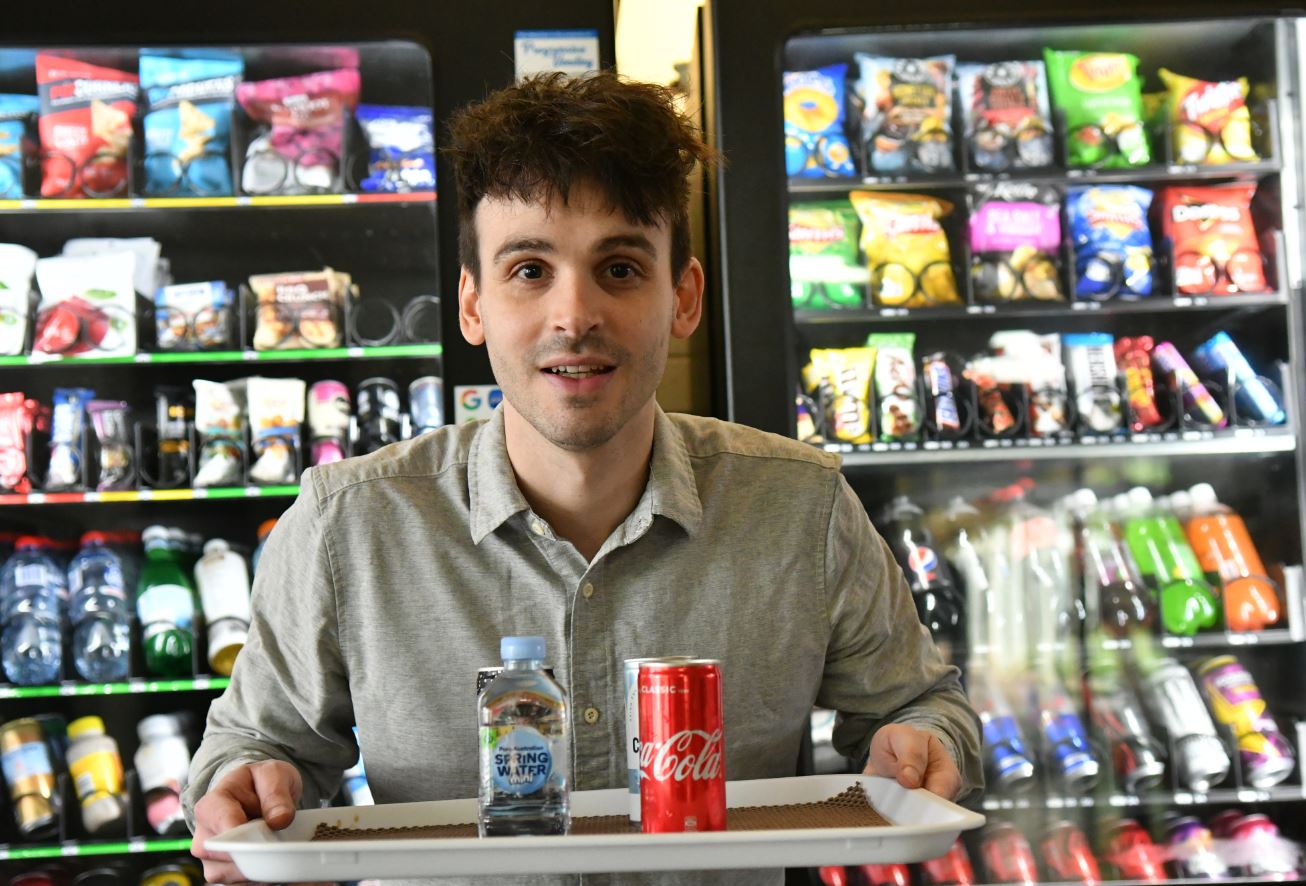
Craving a glass of wine or a cold beer at the end of the day may not seem unusual but people can also experience cravings for soft drinks and coffee, new research has revealed.
Led by Flinders University PhD student Joshua McGreen, the study found the number of cravings a person experiences can indicate how many soft drinks they would eventually drink, with cravings triggered by a number of factors beyond thirst.
“Craving refers to the intense desire to consume a specific substance, such as a drug, alcohol or food and it’s been well established in research that cravings for all three can predict future use,” says Mr McGreen from Flinders’ College of Education, Psychology and Social Work.

“However, what’s less known is the link between cravings and consumption for non-alcoholic beverages, including sugar-sweetened and caffeinated beverages.
“It is important to investigate this link because cravings could be a potential target for helping people reduce how much they drink, with both soft drinks and caffeine having the potential to cause health issues if over-consumed.”
Published in the journal Eating Behaviours, the study analysed data from 128 participants aged between 17 and 25 years old, who completed a craving diary and daily consumption measure over a one-week period.
Cravings were reported for a range of beverages, including tea, juice and flavoured milk, but by far the most craved drinks were water, coffee and soft drink.
When investigating the link between cravings and consumption, stronger cravings were shown to be associated with a greater likelihood of drinking more – especially for soft drink.
“Tiredness was the most common craving trigger for coffee. For soft drinks, visual clues such as advertising or seeing other people having a drink were the most common triggers, followed by food and then thirst,” says Mr McGreen.
Water was both the most craved beverage and the most consumed, with thirst being the most common trigger.
“Although water may not be considered a substance that is typically craved, the participants clearly experienced a strong desire to consume it, in line with the World Health Organization’s formal definition of craving,” says Mr McGreen.
“However, the number of cravings for water during the week did not indicate how much would be drunk. Instead, that was predicted by how much participants liked water and whether they were male.
“This contrasts to coffee and soft drink, where the number of cravings for each predicted how much would be drunk over the week.”
With soft drink consumption increasing rapidly over the past 50 years to become a major public health problem, the study is significant as it indicates that cravings may be a target for reducing people’s soft drink consumption.
“Our study clearly shows that for soft drinks and coffee, cravings can indicate how much a person will go on to consume, but it also indicates that thirst is not the driving factor,” says Mr McGreen.
“For soft drinks, the craving triggers were predominantly external, including advertising or seeing other people drink, so this is potentially where we could turn our focus to if we are to reduce global soft drink consumption and reap the public health benefits.”
IMAGE CREDIT: Flinders University



Leave a Reply