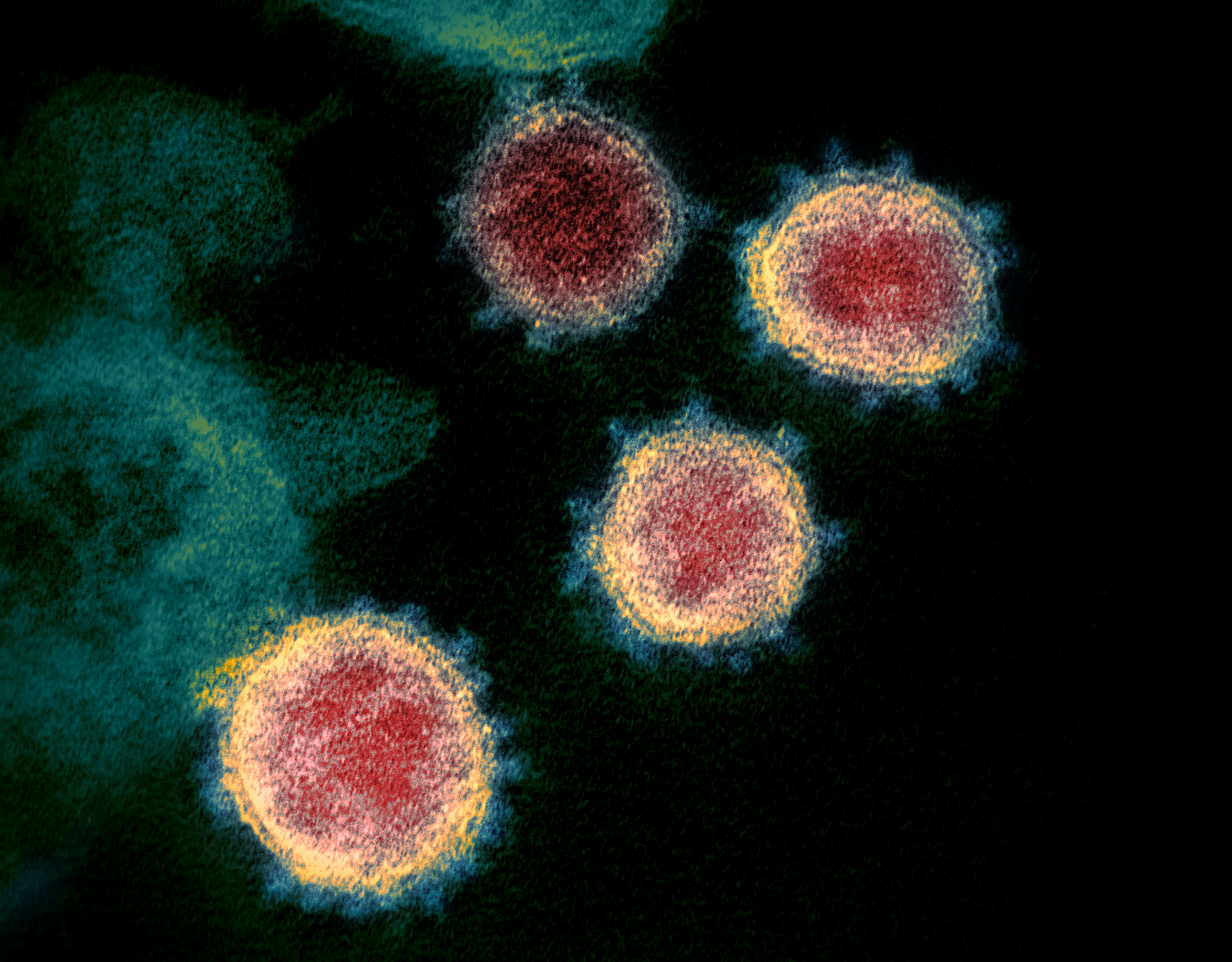
Researchers at the Department of Microbiology at the University of Hong Kong (HK) have found that the Omicron variant ofSARS-CoV-2 is less effective in replicating cells and causing diseases than other COVID19 variants.
The research team,led by Professor Kwok-Yung Yuen, reported itsfindings ina peer-reviewed paper that has just been published inNature. The title of the paper is‘Attenuated replication and pathogenicity of SARS-CoV-2 B.1.1.529 Omicron’.
The team investigated Omicron’s replication efficacy and pathogenicity in a series of cell and mouse models.In laboratory experiments on human lung and intestinal epithelial cells, the authors found that replication of the live Omicron virus was reduced compared to the original strain of SARS-CoV-2 (wild type) and Alpha, Beta and Delta variants.
Epithelial cells cover the entire internal and external surface of the human body, including the respiratory tract and intestines. These cell tissues performa variety of functions such as protection, secretion, filtration, and sensory reception.
The research found thatOmicron virus was more than three times less efficient at viral multiplication compared to the original COVID19 strain in human lung epithelial cells. In contrast, the Alpha, Beta and Delta variants replicated at similar or higher levels than the original virus.

“Our findings suggested that the mutating SARS-CoV-2 tries to escape from the control of our immune system which has been activated by vaccines or natural infection,” said Yuen. “But in doing so, the virus has to pay a price by becoming less efficient in multiplying.”
“We hope that the virus would continue to follow this trajectory of evolution to become a mild common cold coronavirus.After growing this Omicron virus on 25 November, we rushed to understand whether this new variant is kinder or nastier than the previous variants.” Yuen added.
Other leaders of the research team include Dr. Hin Chu, Dr. Jasper Fuk-woo Chan, and Dr. Huiping Shuai of theDepartment of Microbiology, Li Ka Shing Faculty of Medicine, HKU.
Researchers also found that Omicron inefficiently uses the cell membrane protein transmembrane serine protease 2 (TMPRSS2), which mediates viral entry in certain cells.
The authors suggest that mutations in the spike protein of Omicron may reduce its capacity to use the TMPRSS2 pathway, impairing its entry and replication in the human epithelial cell lines.
In a mouse model, replication of Omicron was reduced in both the upper and lower respiratory tract compared to the wild type and Delta. An analysis of the lung tissue showed that infection with the Omicron variant resulted in reduced levels of inflammation and damage in the lungs compared to the wild type and Delta. This was also associated with lower body weight loss and improved animal survival compared to other variants of concern.
Overall, the study suggests that the current global vaccination strategy has forced the COVID19 virus into a new evolutionary trajectory towards lower replication fitness in exchange for better immune escape. This development impliesthat vaccination including additional boosters may drive further attenuation of the virus.


Leave a Reply