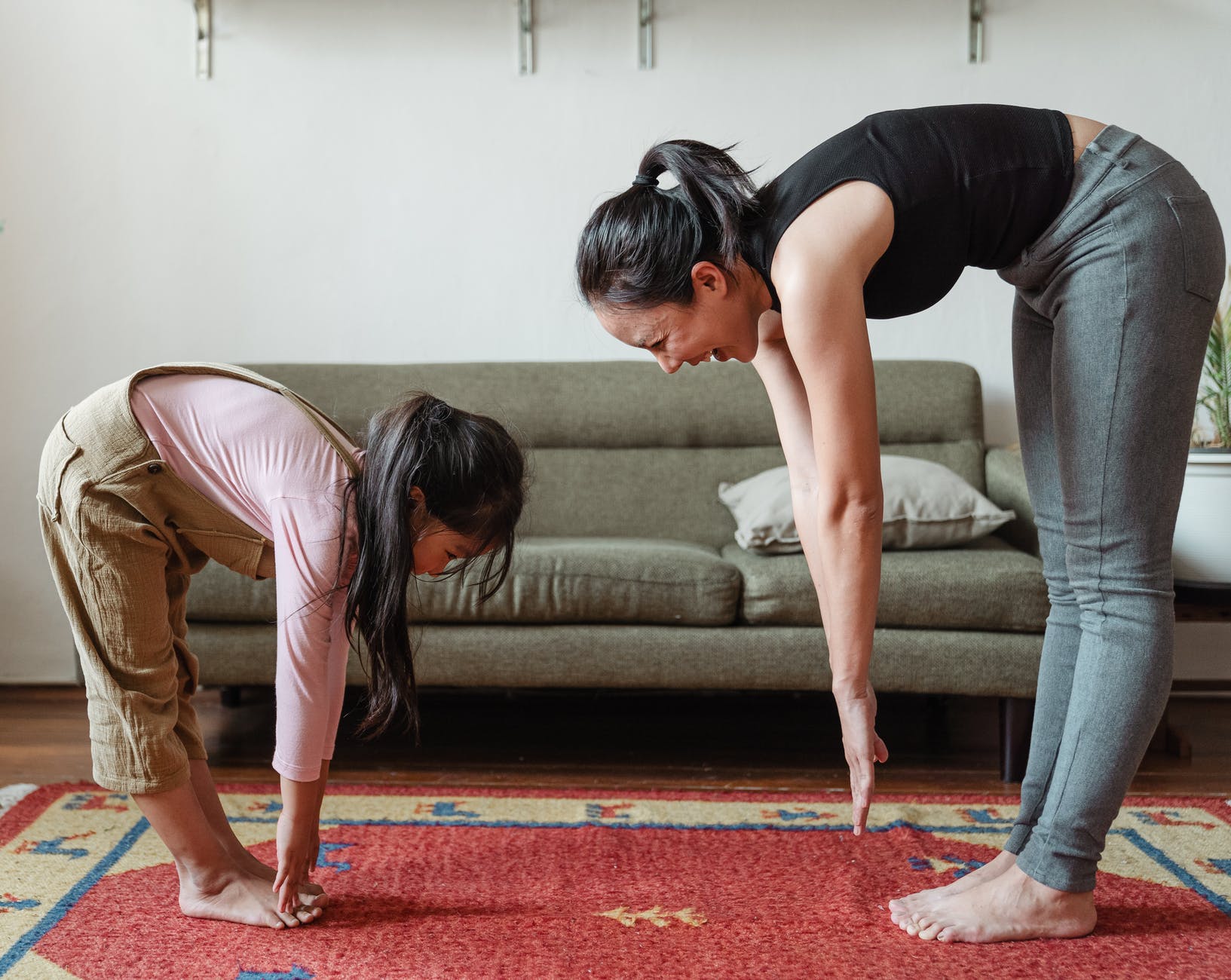
The study assessed the impact of sitting time and physical activity on mental health during the pandemic, and found that the increase in time spent sitting down had an adverse effect on mental health and even outweighed the benefits of regular exercise.
Being allowed an hour of outdoor exercise on a daily basis was a key part of the UK government’s strategy in the first national lockdown that began in March 2020. However, the study found that a great proportion of people were spending more than eight hours a day sitting, due to working at home or being at a loose end while on furlough, were experiencing detrimental effects to their mental health. Even people who were being active, with around 150 minutes per week of moderate or vigorous physical activity, reported detrimental effects to their mental health. Even more exercise was required to counterbalance this more sedentary lifestyle.
The findings have been collated in the report ‘The impact of sitting time and physical activity on mental health during COVID-19 lockdown’, published in Sport Sciences for Health.
“I started from position of the government’s allowance of an hour’s outdoor activity during lockdown, which recognises the importance of exercise on mental and physical health,” says Dr Liane Azevedo, one of the report’s three authors along with Dr Susanna Kola-Palmer and Dr Matthew Pears. “ People looked forward to that exercise once a day for a bit of fresh air.
“Although our sample of nearly 300 was very active, they were sitting for longer periods with over 50% sitting for more than eight hours a day. We found that sitting time, together with some demographics and pre-existing health conditions, were the main variables to negatively influence mental health and wellbeing.
“Other studies have shown that if you sit for longer than eight hours, in order to compensate the negative effect of sedentary behaviour on physical health outcomes you need to exercise for longer. Around 60 minutes is ideal, but this is longer than the 30 minutes that is generally recommended as a minimum for daily exercise.
“Reducing sitting time has a positive effect on mental health. We recommend that together with increase in physical activity, public health should encourage reduction of sitting time for mental health benefits.”
The research by Dr Azevedo and her colleagues was also shared with Rebecca Elliot, Public Health Manager on mental wellbeing from Kirklees Council to help them assess the impact of Covid-19 on mental health in the local area.
“Exactly what physical activity is should be better understood by people,” adds Dr Azevedo. “It is not just going to the gym. Just going for a walk specially in green areas is really important, any type of moderate activity does have benefits. We also noticed from our study that leisure and gardening are activities that help both physically and mentally.
“We want to develop an intervention based on these findings, to focus on the decrease of sedentary behaviour as well as increase in physical activity to promote benefits on mental health.”



Leave a Reply