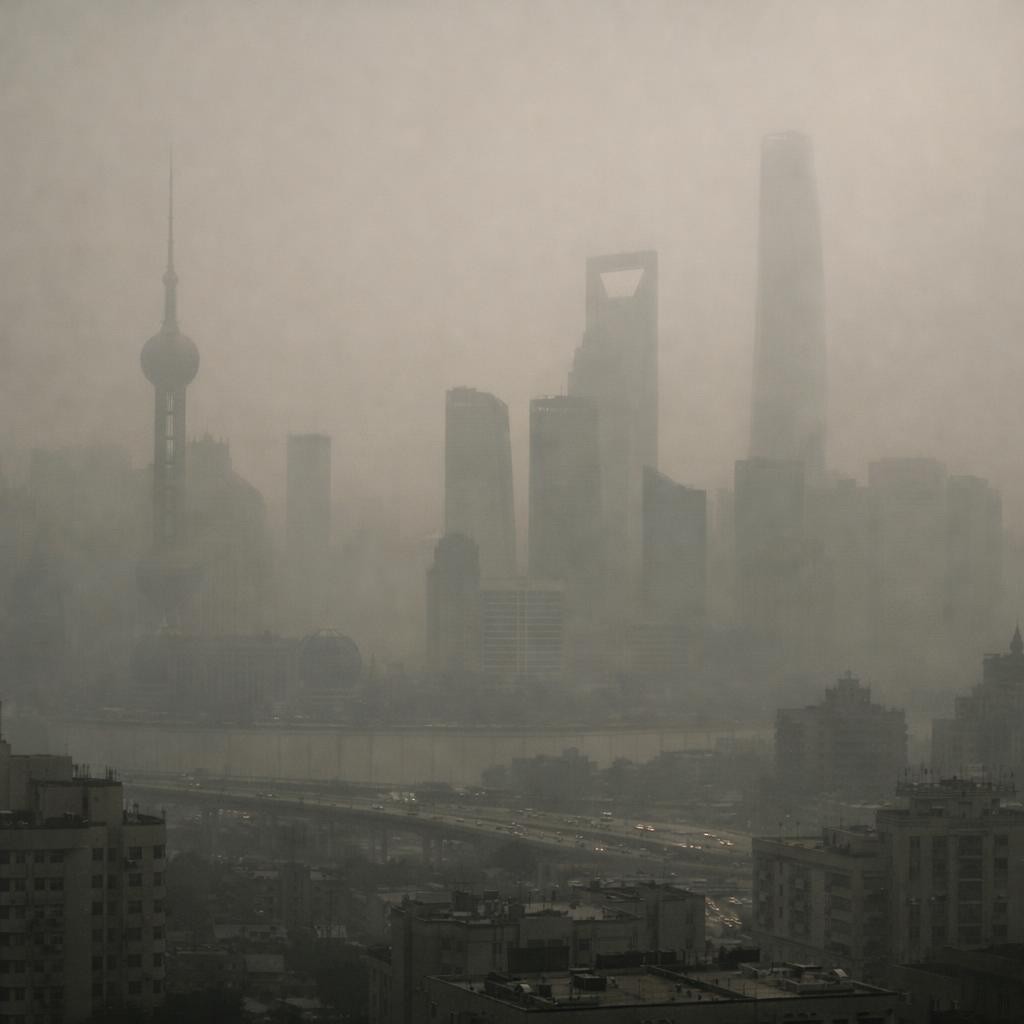
According to the EU’s Earth observation program Copernicus, June and July 2026 were warmer than any other two-month period on record. Climate change is exacerbating such extreme heat events, and the consequences are especially evident in cities whose sealed surfaces and buildings store heat during the day and radiate it away at night. In addition, cities have less vegetation to provide shade and cool the surroundings through evaporation. This urban heat island effect has been known for decades and is well researched.
In contrast, there has been little analysis of the social distribution of heat stress. “Thus far we’ve known relatively little about which demographics are exposed to especially high temperatures in cities,” said Dr. Susanne Benz from KIT’s Institute of Photogrammetry and Remote Sensing (IPF). “Our work also considers these differences from an environmental justice perspective, in other words, whether different demographics have different exposure to environmental stressors.” This also involves the question of whether certain demographics are found more frequently in districts with high building density and fewer green spaces that lead to higher temperatures.
Air and Land Surface Temperatures Compared across Germany
In their project, the researchers analyzed all districts (Landkreise) and independent cities (kreisfreie Städte) in Germany, combining air and land surface temperatures (day and night) in the summer months from 2021 to 2023 to derive an aggregate temperature parameter. To account for urbanization’s specific impact on temperature, they determined the urban heat island intensity by comparing the urban temperatures with those of neighboring rural areas with similar topography. Then they correlated the temperature data with the results of the 2022 census, taking three sociodemographic factors into consideration: the share of population without German citizenship, the share of people over 65 years, and rent per person as a possible indicator of socioeconomic status. For each factor, they compared the temperatures within each district for the areas with the highest and lowest values.
“Land surface temperature and air temperature capture different aspects, so they don’t always reveal social inequalities in the same places,” said lead author Jayati Chawla, also from KIT’s IPF. “Land surface temperature mainly shows how much streets, roofs, and other surfaces heat up. The air temperature at a height of two meters has a more direct contribution to the heat stress people are exposed to and is particularly at night influenced by local urban features such as buildings, green spaces, and the materials used.” Hence, the revealed sociodemographic differences also depend on which temperature measurement is used.
Greatest Differences in Cities
In 84.2% of the assessed cities, the air is significantly warmer at night in areas with a higher percentage of non-German residents. In contrast, areas with a greater share of people over 65 are somewhat cooler on average. No clear pattern was found for rent per person. Overall, the results indicate a clear spatial correlation between population structure and heat. “Since we had no high-resolution income data, we can’t assess whether the observed differences in Germany can be attributed to socioeconomic inequalities,” Benz said. “Though our findings show differences in temperature distribution, they don’t enable us to draw any conclusions about which social, economic, historic, or urban planning factors are the cause.”
“So our findings indicate that in general, different demographics are exposed to different temperature levels in cities. And we also see that these differences are more pronounced in cities than in suburban or rural areas,” Chawla said. “Our results can help to identify areas of heightened vulnerability and provide guidance for targeted heat mitigation strategies.” They also raise questions for further research, such as why these differences exist, whether they can be attributed to economic inequalities or other factors, and how urban planning can better take environmental justice into account in the future.
Journal: Environmental Research Letters
DOI: 10.1088/1748-9326/ae929e
Article Title: Comparing land surface temperature and air temperature for assessing socio-demographic inequalities in urban heat exposure: evidence from Germany
Publication Date: 7-Aug-2026
Institution: Karlsruhe Institute of Technology (KIT)
Source: EurekAlert




Leave a Reply