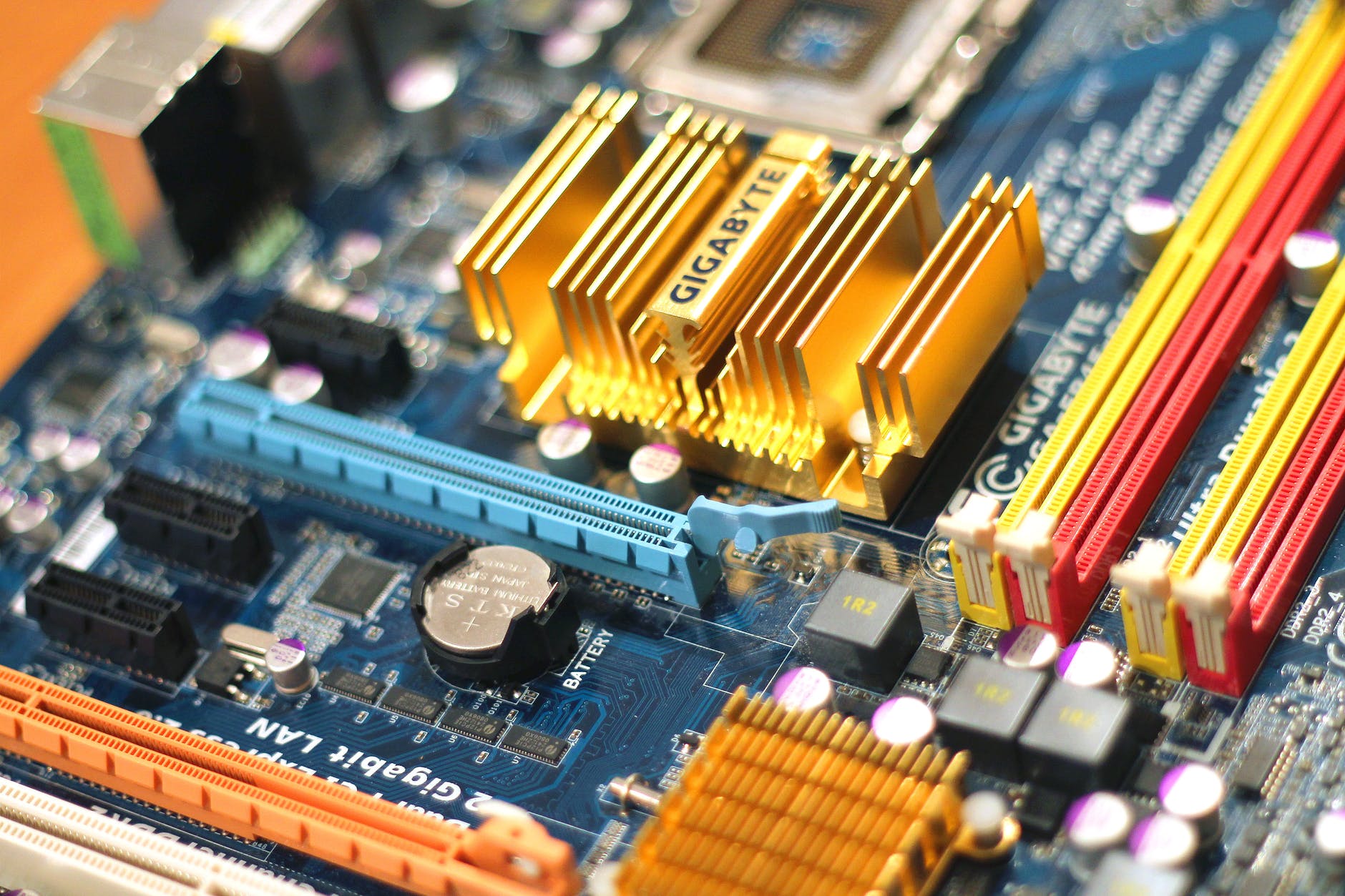
Texas Engineers partnered with Taiwan Semiconductor Manufacturing Company (TSMC) to test SOT-MRAM, an emerging memory technology designed to address artificial intelligence’s escalating energy consumption.
SOT-MRAM retains data without power and uses magnetic properties for enhanced speed and reduced energy usage compared to conventional memory. According to Sam Liu, the study’s lead author and recent UT Austin Ph.D. graduate: “The unique combination of speed, energy efficiency and endurance makes SOT-MRAM perfectly suited for AI applications.” The team designed the technology to leverage its binary-state nature while maintaining accuracy for AI tasks.
Researchers evaluated the chips on neural network inference, binary neural network training, and probabilistic graph modeling. The technology achieved write operations in 2 nanoseconds consuming only 2 picojoules per write—significantly faster than competing memory technologies requiring milliseconds and hundreds of picojoules.
As Texas anticipates becoming the U.S. data center capital, energy efficiency innovations like SOT-MRAM could reduce both technological energy footprints and data center reliance. Jean Anne Incorvia, the project’s faculty leader, notes the technology could eventually replace CPU-based accelerators in edge devices while maintaining sufficient accuracy for localized AI processing.
Journal: Science Advances
DOI: 10.1126/sciadv.aee6952
Article Title: Wafer-Scale SOT-MRAM for Analog Crossbar Array Applications
Article Publication Date: 28-Aug-2026
Source: EurekAlert



Leave a Reply