
FDA REJECTS MDMA-ASSISTED THERAPY AFTER CONTROVERSY AND ALLEGATIONS
After over 30 years of planning and a $250 million investment, Lykos Therapeutics’ MDMA-assisted therapy for PTSD, involving MDMA combined with talk therapy, was expected to pass FDA approval. Public hearings highlighted its potential effectiveness, with testimonials from scientists and trauma survivors. However, skeptics, particularly from the Psymposia group, accused Lykos of mishandling clinical trials and unethical practices, which led to the FDA’s rejection. Despite lacking evidence, these allegations, along with concerns about MDMA’s effects and bias in trial results, influenced the decision. Psymposia, a group critical of the commercialization of psychedelics, played a pivotal role in raising concerns, further fueling division within the psychedelic community. Lykos plans to meet with the FDA for a potential path forward. Critics worry about Psymposia’s impact on the future of psychedelic medicine, with some fearing its tactics could damage the field’s progress. The controversy continues to unfold, raising questions about ethics, regulation, and activism in psychedelic medicine. (New York Times)
WAFFLE HOUSE IMPOSES EGG SURCHARGE DUE TO AVIAN FLU
Waffle House has implemented a temporary 50-cent surcharge per egg due to the nationwide rise in egg prices, which have been driven by an ongoing avian flu outbreak. The aggressive strain of bird flu has led to a significant reduction in the egg supply, with millions of egg-laying hens being slaughtered. This has caused a dramatic price increase, with the cost of a dozen large eggs rising to $4.15 in December, up from $3.65 the previous month. The surcharge will remain until market conditions improve, and Waffle House is continuously monitoring prices. Eggs are the chain’s most-ordered item, with 272 million served annually. The egg shortage, exacerbated by a resurgence of avian flu in late 2024, is expected to continue, with prices predicted to rise by another 20%. The American Egg Board warns that the tight supply will persist until the virus subsides. (CNN)
NIH RESUMES GRANT MAKING AFTER TWO-WEEK COMMUNICATIONS BAN
After a two-week hiatus due to a communications ban imposed by President Trump, the National Institutes of Health (NIH) has resumed key grant-making activities. The ban had halted peer reviews and advisory council meetings, as well as restricted communications related to diversity, equity, inclusion, and gender topics. However, higher-level grant reviews and study section meetings are now back on track. While some restrictions, such as public speaking bans for NIH scientists, remain in place, grant reviews not directly conflicting with executive orders have resumed. The NIH is still under a mandate to assess programs that violate these orders, but previously awarded grants linked to diversity issues are not being canceled. This return to normalcy has brought relief to the biomedical research community, with NIH’s intramural research teams also receiving guidance on permitted travel for collaborative research, though travel for meetings and lectures remains prohibited. (Science)
NSF RESUMES GRANT DISTRIBUTION AFTER DIVERSITY-RELATED FUNDING FREEZE
The US National Science Foundation (NSF) has resumed its grant distribution after a week of confusion and frustration caused by a freeze on funding, including postdoctoral fellowships. This freeze was initiated to comply with President Trump’s directives on diversity, equity, and inclusion (DEI) and related issues. While federal judges temporarily blocked the freeze, the NSF continues its review of grants that may violate these orders. The review process is highly controversial, with concerns raised about the legality of altering or terminating grants, as it conflicts with both congressional mandates and the NSF’s responsibilities to broaden participation in STEM. The freeze left many researchers uncertain about their funding, with some institutions exploring alternative funding sources. NSF employees expressed frustration with the process, and early-career researchers worry about the long-term impacts on their careers. Despite challenges, some see this as an opportunity for deeper discussions on broadening participation in STEM. (Nature)

FORENSIC SCIENTIST QUESTIONS ACCURACY OF DNA-BASED PREDICTIVE TOOLS
Dr. Susan Walsh, inspired by the character Dana Scully from The X-Files, pursued a career in forensic science and now leads research in forensic DNA phenotyping (FDP). This field uses DNA to predict traits like eye and hair color, potentially helping to identify suspects in criminal investigations. However, Walsh remains cautious about the accuracy of predicting facial features, emphasizing that this remains speculative. A company, Parabon NanoLabs, has marketed a product called Snapshot, claiming it can predict not just physical traits like eye color but also facial features, providing law enforcement with composite sketches. Despite its popularity, the science behind these predictions is controversial. Parabon’s methods lack independent verification and peer review, leading to concerns about their reliability and potential for racial bias. Walsh criticizes Parabon for producing misleading composites and argues that such tools should not be used in criminal investigations until they are scientifically validated. She advocates for transparency and robust testing to prevent misuse in the criminal justice system. (The Intercept)
COLD-WATER DIVING TEAM CHASES OCTOPUS IN BRITISH COLUMBIA
After two weeks of cold-water diving preparation, the team arrived in British Columbia to further acclimate to colder conditions ahead of dives in Alaska, Iceland, and Scotland. The goal was twofold: adjusting to the cold and gaining a deeper understanding of cold-water environments. The journey had begun years earlier in temperate waters like California’s kelp forests, with the pandemic forcing Walsh to hone her dive training in Western Australia. She eventually transitioned to drysuit diving, which proved challenging but rewarding. By August 2024, Walsh and her team were ready for the intense cold-water diving in Campbell River, known for its strong currents and marine life, including the elusive Giant Pacific octopus. Despite technical issues with her gear, Walsh persisted, and during their final dive, they encountered an octopus that interacted with them for 30 minutes, solidifying the value of persistence and the profound connection diving offers with nature. (Oceanographic Magazine)
STUDY REVEALS INDIGENOUS POPULATION FLUCTUATIONS BEFORE EUROPEAN CONTACT
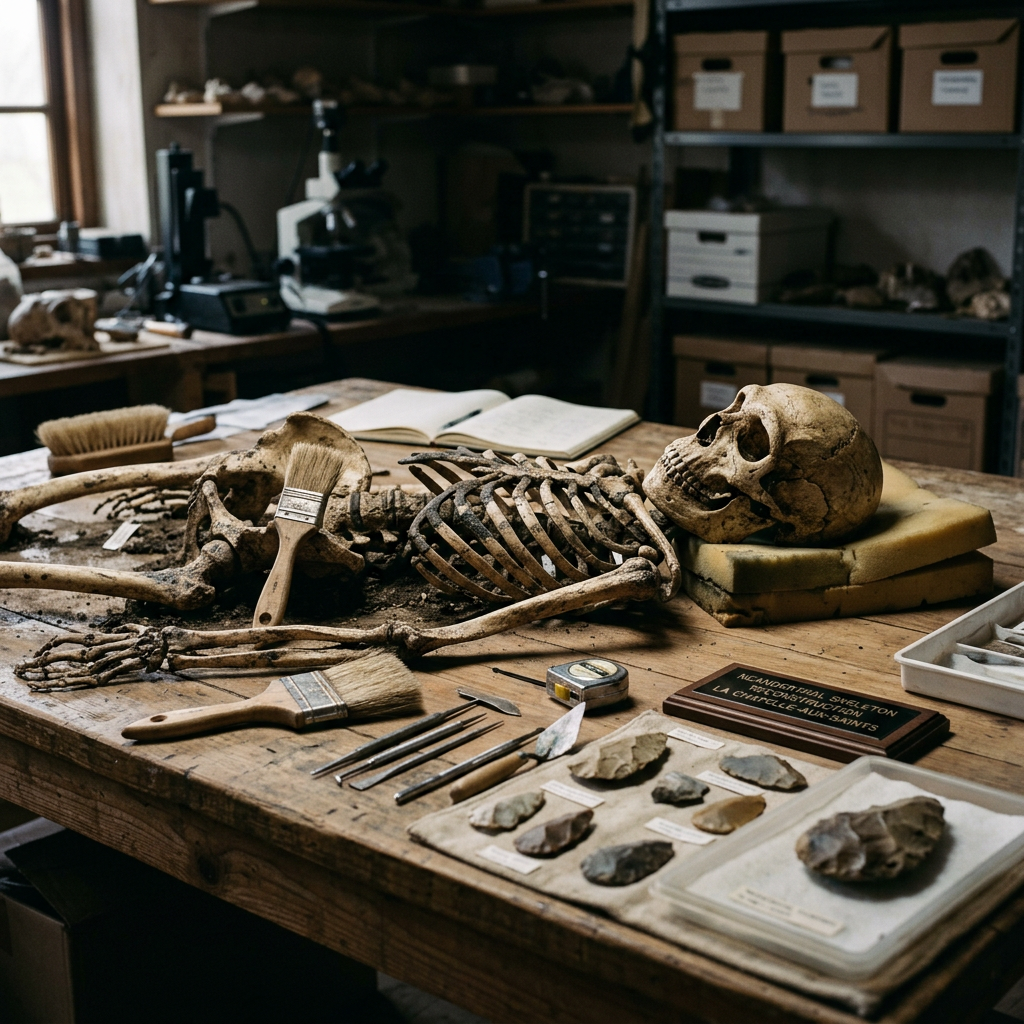
A new study published in the *Proceedings of the National Academy of Sciences* examines Indigenous population fluctuations across the Americas using radiocarbon data from over 60,000 artifacts. The study, led by archaeologist Robert Kelly, found that North American populations peaked around 1150 C.E., then declined by at least 30% by 1500, before beginning to rebound. The researchers emphasize that population shifts were influenced by factors like climate change, disease, and warfare, with different regions experiencing these changes at different times. For example, Cahokia, a maize-farming society, grew to over 10,000 people by 1100, but droughts led to a population collapse by 1350. By 1450, populations were recovering until European contact, which decimated Indigenous communities. While the study highlights a continental decline before European arrival, it also acknowledges regional growth in places like the northern plains, suggesting that the course of history could have been different had Indigenous populations been larger when Europeans arrived. (Science)
Thanks for reading. Let’s be careful out there.
WORDS: The Biology Guy.
IMAGE CREDIT: NASA.

Leave a Reply