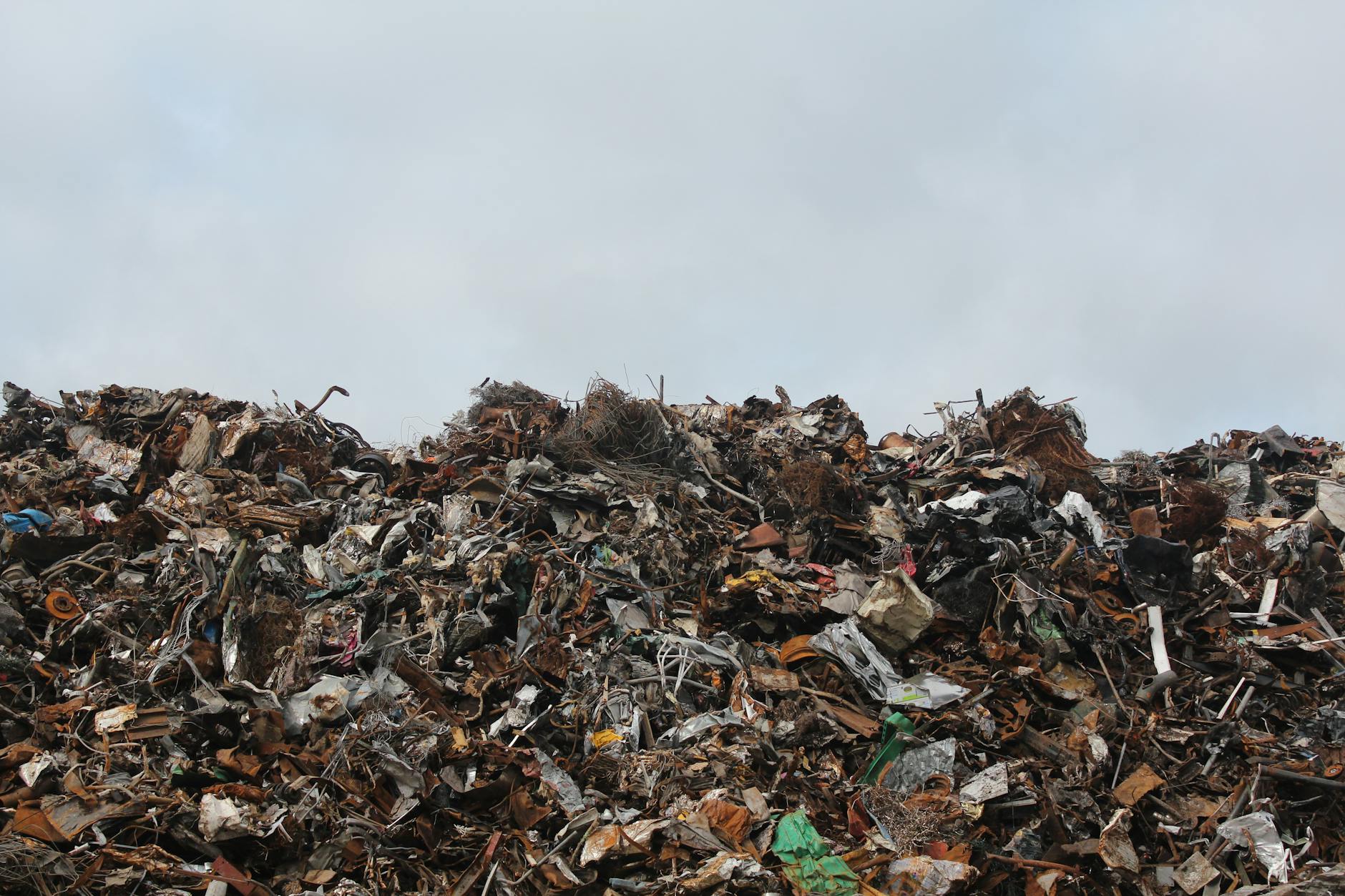
Bioenergy Devco is at the forefront of innovative waste management and renewable energy solutions, specializing in the transformation of organic waste into sustainable energy. With a strong emphasis on anaerobic digestion technology, the company expertly processes food waste and other organic materials to produce biogas, subsequently generating clean energy and reducing greenhouse gas emissions. Distinguished by their comprehensive approach, Bioenergy Devco not only addresses the urgent need for waste reduction but also contributes to the circular economy by creating valuable byproducts such as natural fertilizers. Their operations showcase a commitment to environmental sustainability, water quality improvement, and nutrient management, particularly in regions like the Chesapeake Bay, where they aim to mitigate agricultural runoff and excess nutrients. With facilities in the United States and a robust global presence, Bioenergy Devco is leading the charge towards a more sustainable and energy-efficient future, harnessing the power of nature’s recycling engine to benefit both the planet and its people.
Shawn Kreloff, the CEO of Bioenergy Devco, took the time to discuss the company’s innovative approach to waste management with SCINQ.

Where did the idea for Bioenergy Devco come from? How did you learn about the bio-processes involved in the company’s unique approach to waste management?
I recently visited Europe, where I had worked many years ago. During my visit, I stumbled upon an intriguing concept that truly amazed me. It led me to question why such practices were not adopted in the United States. This discovery piqued my interest, and I began to delve deeper into the subject, particularly after touring a plant in Germany. The more I learned, the more I realized its potential applicability in the United States.
My research increasingly focused on water quality issues, especially those affecting the Chesapeake Bay. These concerns were primarily related to runoff from sewage treatment plants and agricultural runoff, compounded by excess nutrients from poultry. Given that there is a significant poultry farming and processing presence on the eastern shore of the Delmarva Peninsula, I identified it as the ideal location to implement our first project.
In my quest for solutions, I explored various technologies and identified a few companies that stood out as leaders in the field. This led me to connect with Pete, who has 25 years of experience, operates 140 plants, and holds nearly 18 patents.
Our journey led us to acquire a composting operation, which, when combined with anaerobic digestion, represents a best practice in the field. I’m open to discussing the intricacies of this approach further. Ultimately, we secured a valuable piece of property and entered into a 20-year agreement with Purdue for the disposal of their waste.
We are currently in the process of constructing the plant in Delaware.


How does Bioenergy Devco’s approach to anaerobic digestion differ from other companies?
What sets us apart is our extensive experience and a profound understanding of the complex biology involved in optimizing digesters. While most digesters are found on dairy farms and primarily process manure, our distinction lies in our focus on food waste, which presents a much larger challenge.
Our expertise enables us to utilize food waste as feedstock for the microbes, a task that few companies worldwide can claim to manage effectively; indeed, we are among the rare entities capable of dealing with 100% food waste, compared to the mere 2% managed by others. This capability significantly underscores our unique position in the industry.
Regarding your inquiry about combining anaerobic digestion with composting: integrating these processes significantly enhances efficiency. By first digesting and then composting, we can reduce the composting period by more than half, effectively cutting it down to about two weeks. This accelerated process not only allows for the handling of greater volumes of material but also results in a more efficient overall operation. Thus, the synergy between anaerobic digestion and composting not only complements but amplifies the benefits of each method, exemplifying our innovative approach to waste management.

Was it difficult to scale the process up?
When we initially embarked on this venture, the challenge of managing a “massive stomach” was daunting. Our innovative solution was to replicate the concept of a stomach by designing each of our tanks as an independent digestive system, complete with its own biological processes. We standardized the size of these tanks to 2 million gallons, which is substantial, measuring about 90 feet in diameter. This design mimics the warm, nurturing environment of a cow’s stomach, crucial for the thriving of microbes.
Indeed, at the heart of our operation, we consider ourselves microbe farmers, with a primary focus on creating optimal conditions for these microscopic organisms. In our Maryland facility, we process approximately 120,000 tons of waste annually. The Long Beach operation is set to be significantly larger, with the capacity to handle double that amount, structured around a modular system comprising four units.
Each module includes two tanks and a pump house, allowing us to scale our operations efficiently by simply adding more modules as needed. This modular approach has proven to be an effective strategy to expand our capacity and manage the complexity of our operations, ensuring we maintain a sustainable and efficient waste management system.
This next question brings to mind John McCain’s comments on cow emissions from years ago. Obviously, cows have stomachs that produce gas, which is a significant issue. How does Bioenergy Devco address the release of unwanted greenhouse gasses?
The real challenge in addressing climate change isn’t the existence of methane per se, but its release into the atmosphere. Methane is a valuable and versatile molecule with numerous applications. For instance, it’s a primary source for hydrogen production in this country through steam reforming. Moreover, methane can be converted into various useful products, such as fertilizer (ammonium sulfate), hydrogen, and even ethanol, through similar reforming processes. The key strategy is to capture and sequester methane, preventing its atmospheric release, and then converting it into other valuable substances.
Our operations play a significant role in this strategy. Despite methane’s potential for leakage, our plants are designed to be self-contained and operate under anaerobic conditions (without oxygen), ensuring that any leaks would compromise the process and effectively serve as a self-healing mechanism. This setup is crucial for keeping methane out of the atmosphere, which is vital for climate health.
Beyond methane management, our process significantly focuses on water recycling. Given that most organic material is comprised of 70 to 80% water, we process this component into a slurry, optimizing it for microbial digestion by increasing its surface area, which, in turn, enhances efficiency. Remarkably, from one module alone, we recycle about 66,000 gallons of water daily, equivalent to the volume of a swimming pool. This recycled water can be repurposed for agriculture or even purified to drinking quality, offering a sustainable solution for arid regions.
Additionally, we address the issue of nutrient management, crucial for preventing environmental problems like algae blooms, which result from the unchecked application of food waste on land. These blooms deplete oxygen in water bodies, leading to water quality degradation. Our technology allows us to process these organic materials, thereby preventing potential environmental harm. By doing so in places like Delaware and California, we not only manage carbon dioxide and recycle water but also enable effective nutrient management, spreading digestate and compost where needed without contributing to pollution.
In essence, our fascination with this technology stems from its comprehensive approach to environmental management. It’s akin to harnessing nature’s own recycling mechanism, offering a holistic solution to several pressing environmental issues.
Where does the food waste come from?
Much of the organic waste we process originates from various sources, including restaurants and supermarkets, where expired packaged goods are a significant contributor. Additionally, food processors and distributors also play a role in supplying organic waste. However, the primary sources of our feedstock encompass these entities along with contributions from individuals.
In California, for instance, there’s a notable initiative known as the “blue bag” program, where residents separate their organic waste at home, using special bags for collection. This practice is part of a broader effort to manage organic waste by diverting it from landfills and towards more sustainable processing methods, like ours.
The composition of the waste we receive varies significantly depending on the region. Different parts of the country have varying degrees of participation in organic recycling programs and generate distinct types of organic waste. As such, the specific mix of organic materials we process can differ based on geographic location, influenced by local habits, regulations, and infrastructure dedicated to waste management.
Is it difficult to sort through unwanted materials when it’s not readily separated?
The concern about contamination in organic waste streams, especially with materials like plastic, paper, and glass, was a significant challenge. However, advancements in technology have greatly improved our ability to address this issue. We now utilize robotic technology equipped to identify and sort various materials, including plastic, paper, glass, and metal, which significantly aids in the purification of organic waste.
Additionally, we employ machines specifically designed for de-packaging, which are adept at separating organic materials from their non-organic containers, such as those encased in foam trays and wrapped in clear plastic. These machines excel at separating paper and plastics from the organic material, ensuring a cleaner feedstock for our processes.
We have implemented these technologies at our plant near Baltimore, Maryland, which serves as a prototype for the equipment we plan to install in all our future facilities, including the one in Long Beach. If you’re interested and able, I warmly invite you to tour our Maryland plant. Located conveniently near BWI Airport, a visit would provide a tangible understanding of our operations and the technologies we employ. Seeing these processes in action offers a clearer perspective than I could convey through words alone.
Is contamination a problem in the process?
Addressing both fine contamination (such as paper and plastic) and microbial contamination is crucial to our operation’s success. While packaging materials present a significant challenge, we also diligently manage the risk of microbial contamination that could harm the microbes essential to our digestion process. Understanding the source of our waste and conducting thorough pre-processing assessments are part of our strategy to mitigate these risks.
We employ a pre-treatment system that segregates different types of organic material—vegetable matter, proteins, and grains, for instance—into separate pre-tanks before they enter the main digestion tank. This system not only optimizes the feed for our microbes, ensuring they receive a balanced diet without the risk of being overwhelmed by a single type of organic load (like an influx of pineapples), but also provides an opportunity to catch and address any contamination early in the process. This proactive approach helps maintain the delicate balance of our ecosystem and prevents antimicrobial substances from reaching the main digester.
Regarding broader acceptance and investment in our technology, it’s true that not everyone immediately buys into the idea. Initially, securing funding was a challenge; we had to rely on our own resources to demonstrate the viability and effectiveness of our model. However, the successful implementation of our projects has begun to change perceptions. Our partnership with Long Beach represents our second public-private collaboration, following a similar initiative in Middlesex County, New Jersey, where we are developing a facility at a landfill. These partnerships are not just about waste management; they signify a mutual recognition of the environmental benefits and potential for positive political impact.
Europe has already adopted similar approaches to organic waste management, showcasing the feasibility and benefits of such systems. By demonstrating successful models and fostering public-private partnerships, we aim to build confidence among stakeholders and expand our innovative waste management solutions, contributing to a more sustainable and efficient approach to organic waste processing.
IMAGE CREDITS: Emmet (cover); Bioenergy Devco.
Sign up for the Daily Dose Newsletter and get the morning’s best science news from around the web delivered straight to your inbox? It’s easy like Sunday morning.



Leave a Reply