As global pollution edged upward in 2021, so did its burden on human health, according to new data from the Air Quality Life Index (AQLI). If the world were to permanently reduce fine particulate pollution (PM2.5) to meet the World Health Organization’s (WHO) guideline, the average person would add 2.3 years onto their life expectancy—or a combined 17.8 billion life-years saved worldwide.
This data makes clear that particulate pollution remains the world’s greatest external risk to human health, with the impact on life expectancy comparable to that of smoking, more than 3 times that of alcohol use and unsafe water, and more than 5 times that of transport injuries like car crashes. Yet, the pollution challenge worldwide is vastly unequal.

“Three-quarters of air pollution’s impact on global life expectancy occurs in just six countries, Bangladesh, India, Pakistan, China, Nigeria and Indonesia, where people lose one to more than six years off their lives because of the air they breathe,” says Michael Greenstone, the Milton Friedman Distinguished Service Professor in Economics and creator of the AQLI along with colleagues at the Energy Policy Institute at the University of Chicago (EPIC). “For the last five years, the AQLI’s local information on air quality and its health consequences has generated substantial media and political coverage, but there is an opportunity to complement this annual information with more frequent—for example, daily—and locally generated data.”
Indeed, many polluted countries lack basic air pollution infrastructure. Asia and Africa are the two most poignant examples. They contribute 92.7 percent of life years lost due to pollution. Yet, just 6.8 and 3.7 percent of governments in Asia and Africa, respectively, provide their citizens with fully open air quality data. Further, just 35.6 and 4.9 percent of countries in Asia and Africa, respectively, have air quality standards—the most basic building block for policies.
Sign up for the Daily Dose Newsletter and get every morning’s best science news from around the web delivered straight to your inbox? It’s easy like Sunday morning.
The collective current investments in global air quality infrastructure also do not match where air pollution is having its greatest toll on human life. While there is a large global fund for HIV/AIDS, malaria, and tuberculosis that annually disburses 4 billion USD toward the issues, there is no equivalent set of coordinated resources for air pollution. In fact, the entire continent of Africa receives under 300,000 USD in philanthropic funds toward air pollution (i.e. the current average price of a single-family home in the United States). Just 1.4 million USD goes to Asia, outside of China and India. Europe, the United States, and Canada, meanwhile, receive 34 million USD, according to the Clean Air Fund.
“Timely, reliable, open air quality data in particular can be the backbone of civil society and government clean air efforts—providing the information that people and governments lack and that allows for more informed policy decisions,” says Christa Hasenkopf, the director of AQLI and air quality programs at EPIC. “Fortunately, we see an immense opportunity to play a role in reversing this by better targeting—and increasing—our funding dollars to collaboratively build the infrastructure that is missing today.”
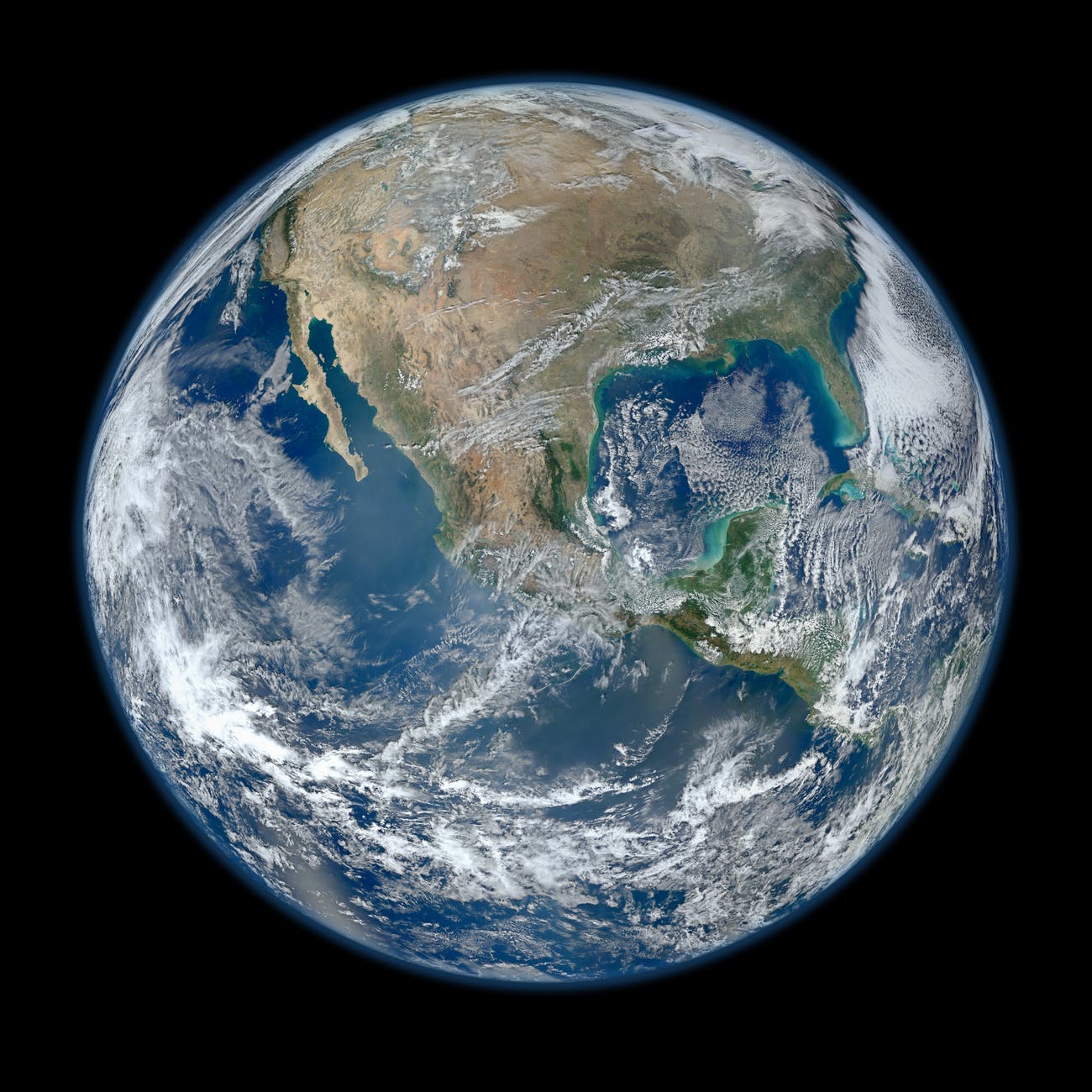
IMAGE CREDIT: NASA.
If you enjoy the content we create and would like to support us, please consider becoming a patron on Patreon! By joining our community, you’ll gain access to exclusive perks such as early access to our latest content, behind-the-scenes updates, and the ability to submit questions and suggest topics for us to cover. Your support will enable us to continue creating high-quality content and reach a wider audience.
Join us on Patreon today and let’s work together to create more amazing content! https://www.patreon.com/ScientificInquirer



Leave a Reply