Thailand, a paradisiacal destination for most travelers, decriminalized the medical usage of Cannabidiol products (CBD) in 2018, and became the first in the region to provide access to cannabidiol products in 2022. CBD products are now everywhere in Thailand, from toothpaste to essential oil, from cocktails to pancakes. In the process, Thailand provided a boost to its agriculture and tourism sectors. It is estimated the legalization of CBD to be worth more than $3 billion within five years.
Recently, the heated debate on legalizing CBD in the global arena has spread to neighboring countries in Southeast Asia. Not only the local media, but government institutions are also starting to review and consider following the footsteps of Thailand. It is almost like a competition; countries are rushing to be the runner-up. Specifically, the Malaysian government expressed interest in learning from Thailand’s framework for medical use CBD. Cultivation and recreational use of marijuana is currently illegal in Malaysia, and possession of more than 200 grams (7 oz) of the drug entails a mandatory death sentence.
With the end of Philippine President Rodrigo Duterte’s administration, famous for driving a brutal country-wide anti-drug campaign, a senator in the Philippines is now proposing to legalize medical CBD as well.
However, Vietnam may be the dark horse in the competition to attracting tourists with CBD. Although CBD is illegal in Vietnam even for medical use which carries the same penalties as the usage of heroin and cocaine, oil with marijuana chemicals is allowed and freely sold in many places in the country. Anecdotally, law enforcement in Vietnam tends to be more forgiving when it comes to someone caught smoking marijuana, especially if the perpetrator is a tourist.
Singaporeans between the ages of 18 and 24 are more likely to perceive CBD as not harmful and to have considered using controlled substances or prescription drugs without a prescription than their elders, according to a survey of 1,055 Singapore residents by local media. The different views on drugs are likely to be shaped by social media and pop culture. However, the Singapore government is taking a strong stand against CBD at this moment.
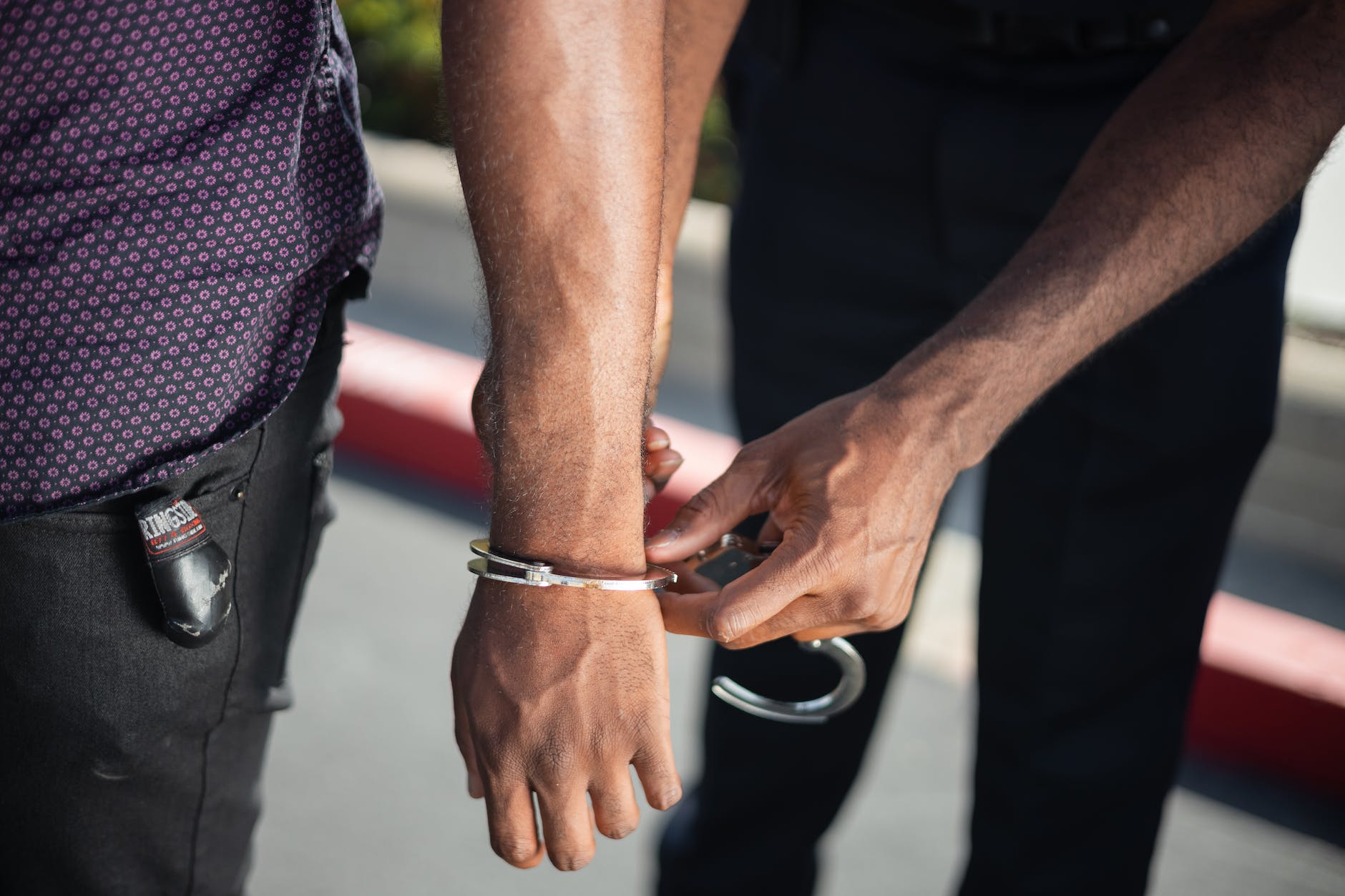
Drug possession or consumption may be jailed for up to 10 years and fined up to S$20,000 in Singapore. In addition, Singaporeans found to have consumption of CBD outside Singapore will face the same penalties as if the offense is committed in Singapore. Moving in the opposite direction to its neighboring countries, the country faces a challenge in keeping its borders drug free.
In a similar vein, Indonesia, one of the world’s strictest anti-drug countries, has rejected the requests to use marijuana for medical purposes. Local judges have said that there is insufficient research to justify a ruling in favor of the CBD usage, but urged the government to conduct its own research on the therapeutic usage of CBD.
WORDS: Peiqi Yao.
IMAGE CREDIT: Kindel Media.


Leave a Reply