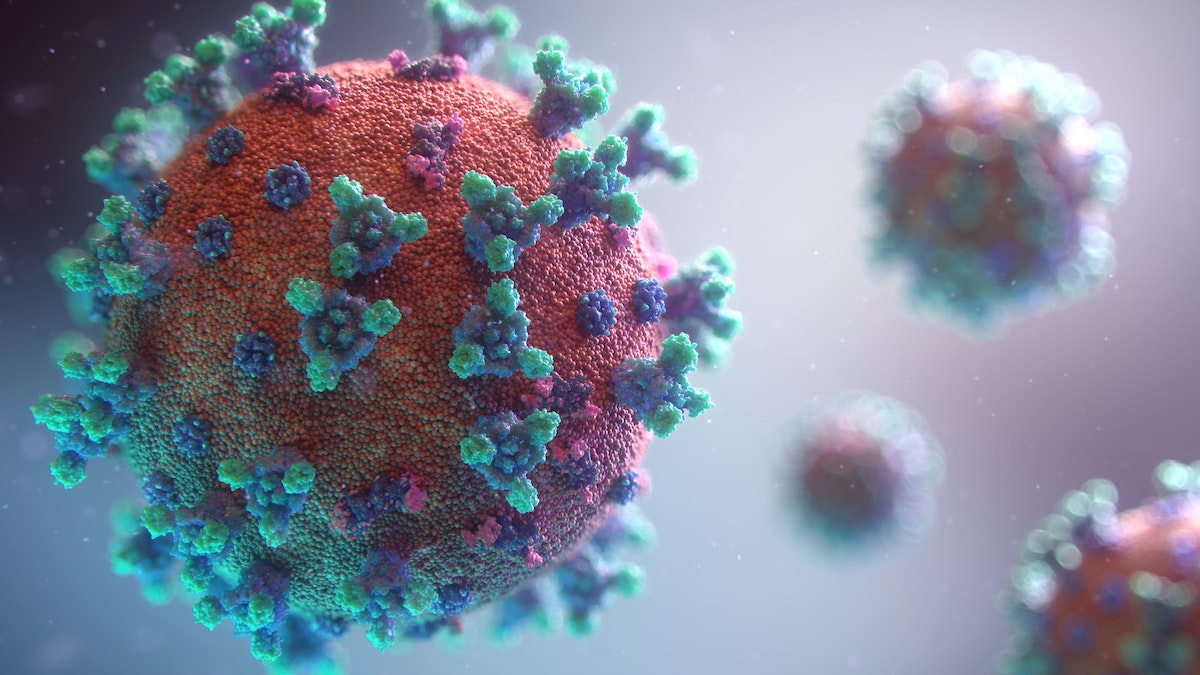
COVID-19’s Delta variant may use a novel invasion method to evade the body’s immune response, causing more damage to the brain, intestine and kidneys than the original Wuhan COVID strain a Griffith University study has found.
Led by Menzies Health Institute Queensland’s Dr Xiang Liu, the researchers compared the original Wuhan strain with Delta in mice models and found distinct immune response patterns between the ancestral SARS-CoV-2 and Delta variant.
“In our study, we found that Delta-infection induced the similar levels of disease symptoms as the ancestral SARS-CoV-2 but with significant dissemination and tissue damage to multiple organs including tissue lesions in the brain and intestinal wall thinning,” Dr Liu said.
“Surprisingly, the numbers of leukocytes (white blood cells) recruited to the lung tissue during Delta infection were significantly lower.
“These observations suggest the Delta variant may have yet unknown immune evasion mechanisms which increases infection. We hope to discover how this biological process happens with future research.”
Dr Adam Taylor, who co-led the study, said as SARS-CoV-2 variants were continually emerging it was critical to study disease progress to understand and manage clinical threats.
“These results will help shed light on the changing disease profile of COVID-19 and may guide therapeutic interventions for emerging SARS-CoV-2 variants,” he said.
The Delta variant first emerged from India in 2020 and was found to be highly contagious compared to the Wuhan strain. Pfizer and AstraZeneca COVID-19 vaccines were shown to have reduced effectiveness against Delta.
IMAGE CREDIT: Fusion Medical Animation on Unsplash


Leave a Reply