Words matter. Images matter. The Scientific Inquirer needs your support. Help us pay our contributors for their hard work. Visit our Patreon page and discover ways that you can make a difference. http://bit.ly/2jjiagi
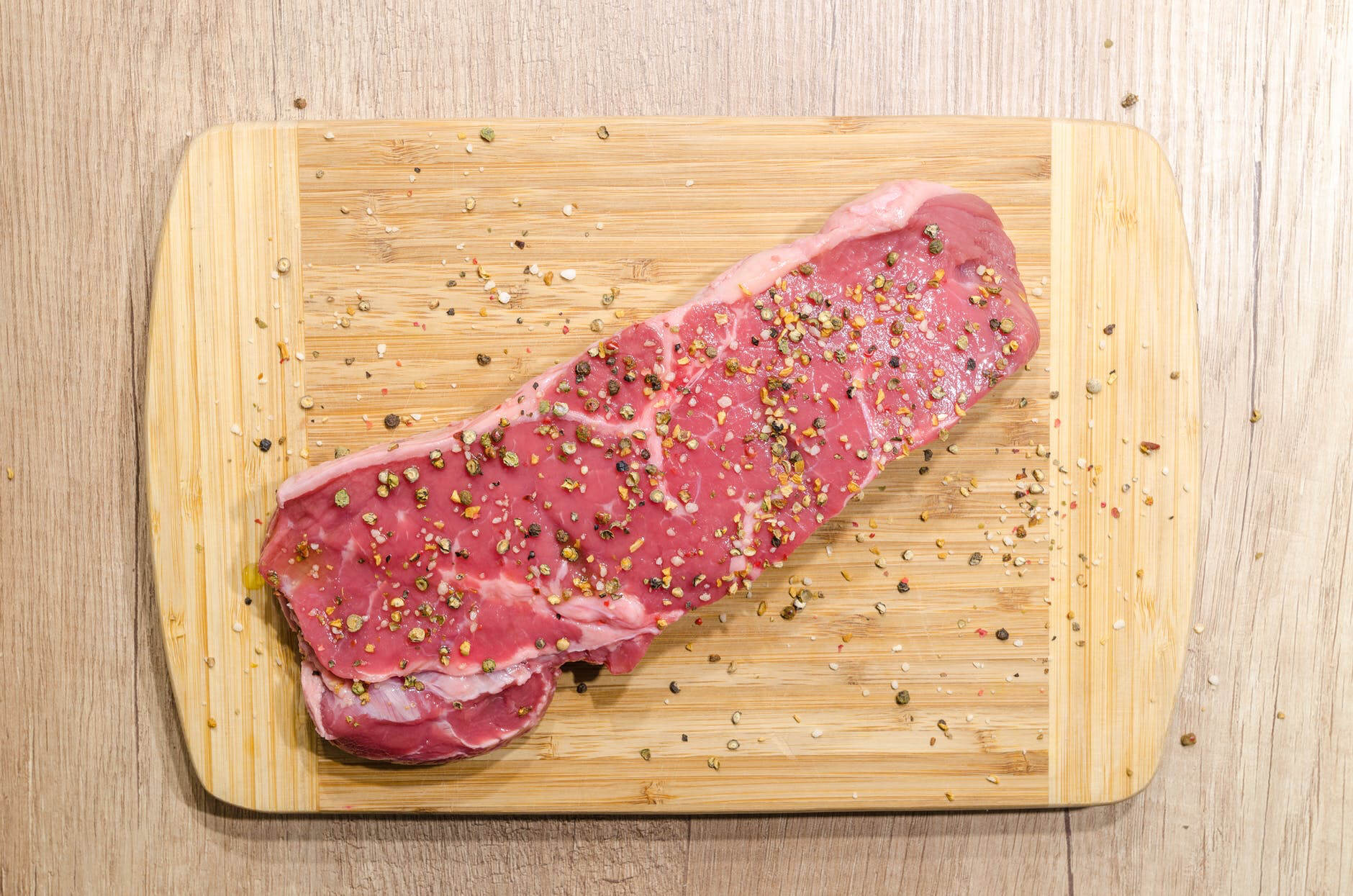
Researchers in Spain conducted a thorough meta-analysis of studies related to the Paleolithic diet compare downtown other fad diets revealed that, to a degree, it worked as advertised. “The analysis showed a positive association of adopting the Paleolithic diet in relation to weight loss. The effect was significant on weight, body mass index and waist circumference.” However, the study cautioned that before health benefits were attributed to the diet, more studies were necessary. http://bit.ly/310YtgS
Nectar Therapeutics has suffered a setback in bringing its mu-opioid drug, NKTR-181 to the market. The FDA postponed a meeting with the companyas it “continues to consider a number of scientific and policy issues relating to this class of drugs It’s not exactly the greatest moment for opioids, to be fair. http://bit.ly/2LLQot4
The dengue outbreak in the Philippines continues unabated. The island nation has registered over 100,000 cases so far this year. http://bit.ly/2LIlAJK
Amidst the rise of Doomsday artificial intelligence narratives hitting everything from daily newspapers to Hollywood films, one fact stands out but is barely even noticed. While we marvel at algorithms beating world champions at Go or other games, we don’t even know how the human brain makes decisions. Now, thanks to this editorial in the Proceedings of the National Academy of Sciences, we are all aware of the elephant in the room. http://bit.ly/2LIyZl1
IMAGE SOURCE: Creative Commons



Leave a Reply