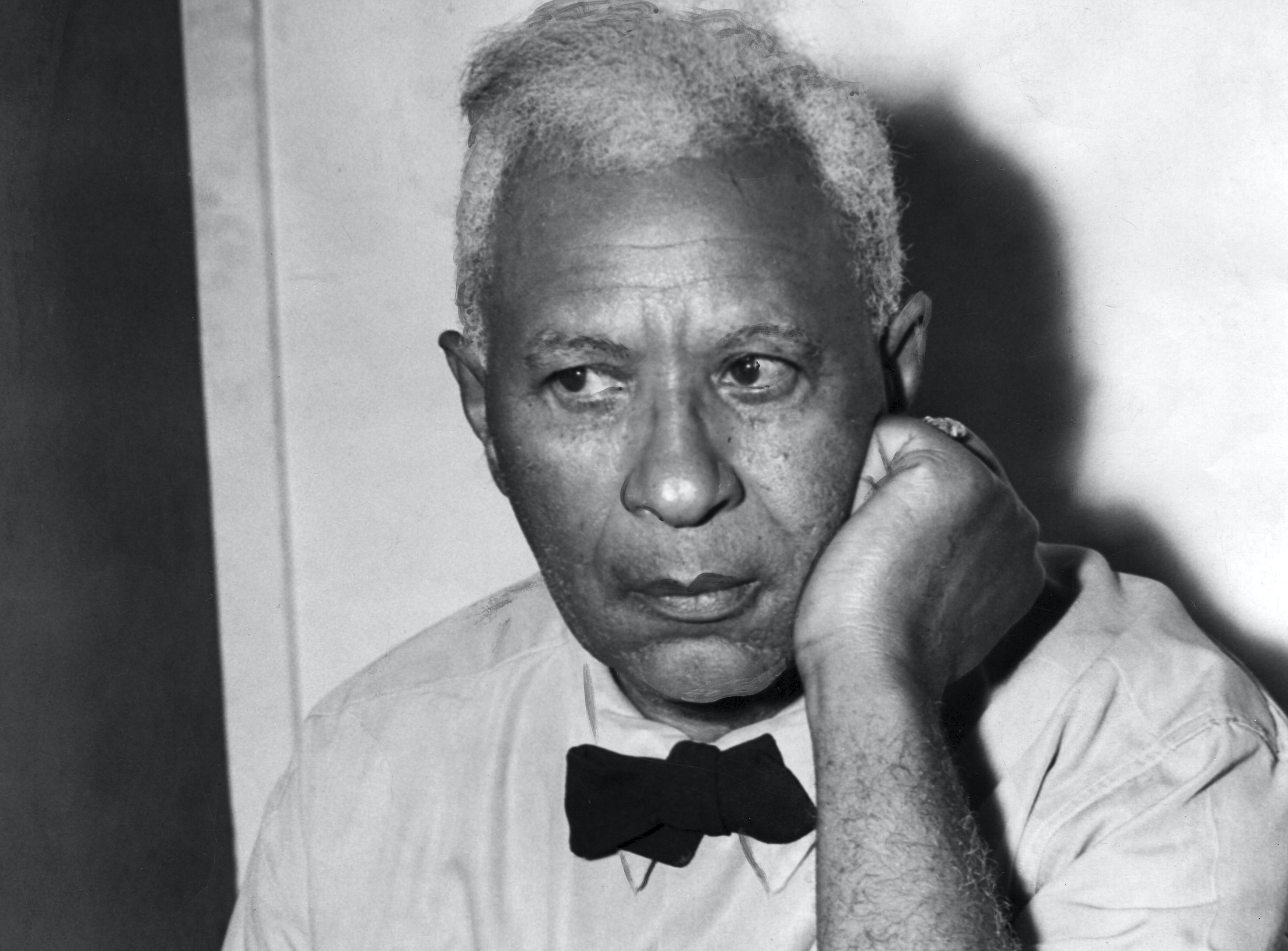
Garrett Morgan was an influential African American inventor and entrepreneur who created several groundbreaking innovations in the early 20th century, particularly in the areas of public safety and hair care products. Born on March 4, 1877, in Paris, Kentucky, Morgan was the son of formerly enslaved parents, Sydney Morgan and Elizabeth Reed Morgan. His parents were of African and Native American descent, with his mother being the daughter of a minister.
Growing up with limited formal education, Morgan left Kentucky as a teenager to seek better opportunities in Cincinnati, Ohio. He worked as a handyman and later moved to Cleveland, where he worked repairing sewing machines. This experience helped him develop his mechanical skills and understanding of machinery, which would prove invaluable in his future inventions.
In 1907, Morgan opened his own sewing machine repair shop, marking the beginning of his entrepreneurial journey. During this time, he experimented with a chemical solution to reduce friction in sewing machine needles. Accidentally discovering that the solution could also straighten hair, Morgan developed and marketed the G.A. Morgan Hair Refining Cream. This product became highly successful among African American customers, allowing Morgan to establish the G.A. Morgan Hair Refining Company.
One of Morgan’s most significant inventions was the safety hood, which he patented in 1914. While not the first gas mask, his design was a significant improvement, particularly in protecting firefighters from smoke inhalation. The safety hood consisted of a hood with two tubes—one for fresh air intake and another for exhaling—and a wet sponge to filter out smoke and other toxic gases. The effectiveness of his invention was dramatically demonstrated in 1916 during a tunnel explosion under Lake Erie, where Morgan and his brother used the safety hoods to rescue workers trapped underground. Despite this heroic act, Morgan initially received little recognition due to racial prejudices of the time.
Perhaps Morgan’s most enduring invention is the three-position traffic signal, patented in 1923. Prior to his invention, traffic signals only had two positions: stop and go. Morgan’s innovation added a warning signal, the precursor to the modern yellow light, significantly improving traffic safety. He was inspired to create this after witnessing a severe collision between an automobile and a horse-drawn carriage. The General Electric Company purchased the rights to his traffic signal patent for a considerable sum, though the exact amount is debated.

Morgan also invented a zigzag stitching attachment for sewing machines and developed a successful line of personal care products. His business acumen was as impressive as his inventive capabilities. He became one of the first African Americans in Cleveland to own an automobile and later founded a newspaper, the Cleveland Call, which eventually merged to become the Call and Post.
Throughout his life, Morgan was dedicated to advancing civil rights and improving conditions for African Americans. He was a member of the NAACP and helped found the Cleveland Association of Colored Men. He also supported Black-owned businesses and advocated for economic empowerment within the African American community.
Despite experiencing racial discrimination and facing numerous obstacles, Morgan persevered and achieved remarkable success. His inventions demonstrated his ability to identify practical problems and develop effective solutions that improved public safety and everyday life. The impact of his traffic signal invention continues to be felt today, with the three-position system remaining the standard worldwide.
Morgan’s later years were marked by continued innovation and community involvement, though his health began to decline due to glaucoma, leading to partial blindness. He died on July 27, 1963, in Cleveland, Ohio, leaving behind a legacy of innovation, entrepreneurship, and social progress. His achievements were particularly remarkable given the significant racial barriers and limited opportunities available to African Americans during his lifetime.
In recognition of his contributions, Morgan was awarded a citation for his traffic signal by the U.S. Government. He was also honored by the Cleveland City Council and various other organizations. Today, his legacy lives on through the continued use of his inventions and the inspiration he provides to future generations of inventors and entrepreneurs. Schools, streets, and institutions have been named in his honor, and his story serves as a powerful example of how determination, creativity, and resilience can overcome societal barriers and lead to lasting contributions to human progress.
IMAGE CREDIT: Cleveland News.




Leave a Reply