WHO URGES US AGRICULTURE TO CURB H5N1 SPREAD
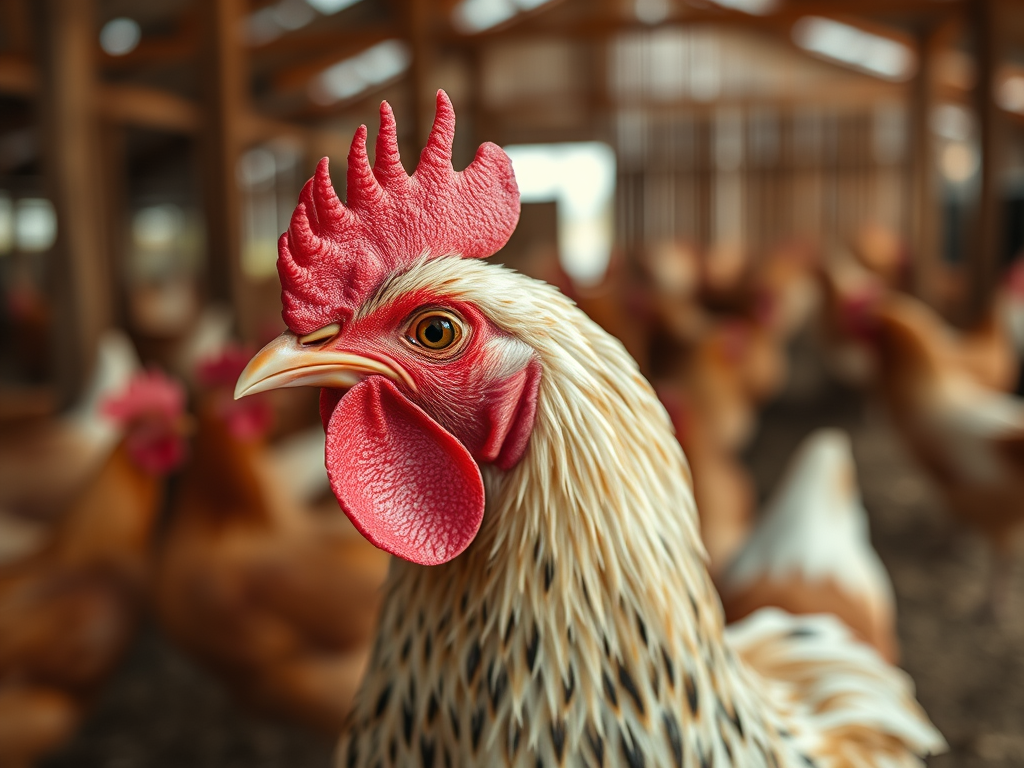
Maria Van Kerkhove, the WHO’s acting director of epidemic and pandemic preparedness and prevention, urged the U.S. agricultural sector to intensify efforts to stop the transmission of H5N1 bird flu in dairy cattle. Since its first detection in cows in late March, 203 herds in 14 states have tested positive. This marks the first instance of H5N1 spreading in mammals that have frequent close contact with humans, raising concerns about the virus adapting to infect humans more easily. Van Kerkhove emphasized the need for improved collaboration between animal and human health sectors, noting that 14 human cases have been confirmed in the U.S. this year. She highlighted issues such as farmers’ reluctance to test animals or allow CDC personnel on farms, which hampers understanding the outbreak’s full extent. Praising California’s proactive measures, she stressed that global cooperation is essential to address spillover drivers and enhance surveillance in animal populations. (STAT)
WELLNESS INDUSTRY PUSHES FRANKINCENSE TOWARD EXTINCTION
Frankincense, a resin from Boswellia trees in the Horn of Africa and the Arabian Peninsula, is facing potential extinction due to surging global demand fueled by the wellness industry. Traditionally used in religious practices, frankincense is now a popular ingredient in high-priced cosmetics and aromatherapy products, leading to overexploitation. Over-harvesting through excessive and improper tapping damages the trees, hindering their ability to regenerate. Studies predict that 90% of Boswellia papyrifera trees could disappear by 2060. Additional threats include fires, droughts, soil degradation, grazing by livestock, and regional conflicts that make conservation efforts challenging. The supply chain is fragmented and often exploitative, providing minimal financial return to local harvesters who live in extreme poverty. While there’s discussion about protecting Boswellia species under international trade laws, some experts warn that bans could harm local communities and push the trade underground. Instead, they advocate for supporting sustainable harvesting practices and fair compensation to preserve both the species and the livelihoods dependent on it. (The Guardian)
If you’re enjoying the Daily Dose, sign up for the Daily Dose Newsletter and get the morning’s best science news from around the web delivered straight to your inbox? It’s easy like Sunday morning.
BEBINCA HITS SHANGHAI STRONGEST STORM IN 70 YEARS
Typhoon Bebinca, the strongest storm to hit Shanghai in over 70 years, made landfall on Monday, September 16, with wind speeds around 150 km/h. The typhoon caused significant damage, felling over 1,800 trees and leaving 30,000 households without electricity. Authorities evacuated 414,000 residents to safer locations, and tens of thousands of emergency personnel were on standby. All flights at Shanghai’s two main airports were grounded, ferry services halted, and over 570 passenger trains suspended, disrupting travel plans during the Mid-Autumn Festival public holiday. Highways were closed, and major attractions like Shanghai Disney Resort were temporarily shut down. Despite severe conditions, some residents ventured out for essential errands. The storm also affected neighboring provinces, with heavy rains and high winds expected in Jiangsu, Zhejiang, and Anhui. Bebinca had previously passed through Japan and the Philippines, where it caused fatalities. By early Monday afternoon, the eye of the storm moved into Jiangsu province, though heavy rains continued in Shanghai. (Channel News Asia)
MAIDUGURI FLOODS IN NIGERIA KILL OVER 1000
Severe flooding caused by heavy rainfall has devastated cities and towns across West and Central Africa, notably impacting Maiduguri in northeastern Nigeria. Early last week, overflowing dams inundated Maiduguri, forcing residents like elementary schoolteacher Aishatu Bunu and her children to flee their homes. The floods have left over 1,000 people dead and destroyed hundreds of thousands of homes, with up to four million people affected and nearly one million displaced. In Maiduguri, the flooding collapsed two main bridges, splitting the city in half, submerged the ground floor of the main hospital, and released crocodiles and deadly snakes from a zoo into communities. The disaster exacerbates existing challenges in regions already facing conflict, displacement, and poverty. Climate change is identified as a significant factor, despite Africa contributing minimally to global greenhouse gas emissions. Experts urge for early warning systems and infrastructure improvements. Humanitarian efforts are hampered by severe funding shortages, and even worse flooding is anticipated later in the year. (New York Times)

PFIZER’S PONSEGROMAB BOOSTS WEIGHT IN CANCER PATIENTS
Pfizer reported that its experimental monoclonal antibody, ponsegromab, showed positive results in a Phase 2 trial for treating cancer cachexia—a severe condition causing appetite and weight loss in cancer patients. The trial involved 187 patients with non-small cell lung, pancreatic, or colorectal cancer and high levels of growth differentiation factor 15 (GDF-15), a protein linked to appetite suppression. After 12 weeks, patients receiving the highest dose of ponsegromab (400 mg) experienced a 5.6% increase in body weight compared to the placebo group. Lower doses also resulted in weight gains of 3.5% and 2%. The drug was well-tolerated with no significant side effects reported. Cancer cachexia affects about 9 million people globally, with 80% expected to die within a year of diagnosis, and currently has no approved treatments in the U.S. Pfizer plans to begin late-stage trials in 2025 to seek regulatory approval for ponsegromab. (CNBC)
US HOUSE PASSES BIOSECURE ACT TARGETING FOREIGN BIOTECH
The U.S. House of Representatives has passed the Biosecure Act, which aims to restrict federal funding from going to biotech companies associated with five “foreign adversaries”: China, Russia, Iran, North Korea, and Cuba. Specifically, the bill bans purchases from five Chinese firms—BGI, MGI, WuXi Biologics, WuXi AppTec, and Complete Genomics—starting in 2032. The Senate is considering similar legislation, increasing the likelihood of it becoming law. Proponents argue that these companies steal intellectual property and could funnel sensitive health and genetic data to adversarial governments like China’s. However, academic researchers and industry experts warn that the act could hinder scientific collaboration and innovation. It may force U.S. scientists to sever valuable partnerships with Chinese counterparts and limit access to affordable genome sequencing equipment, potentially increasing research costs. Critics also contend that the bill may not effectively prevent data breaches and could have a chilling effect on science, causing the U.S. to fall behind in international collaborations. (Science)
Thanks for reading. Let’s be careful out there.
WORDS: The Biology Guy.



Leave a Reply