Keeping up with podcasts is just about as much an exercise in futility as keeping my inbox tidy. The daily flood of episodes exhilierates as much as it depresses. There’s just too many and that’s not even including the new ones I stumble upon during the course of a day. Needless to say, I’ve fallen behind and have given up on the notion of listening to everything I’ve missed. It just ain’t gonna happen. That said, I’m still trying to catch up on podcast episodes that really speak to me.
One standout so far comes from the ever-reliable Science Vs. podcast, brought to the swamp by Wendy Zuckerman and the folks at Gimlet. They returned with a new season last month and have hit the ground running. Their first episode, “Immune boosting: Is it a bust?” is particularly timely as the world continues to slog through the COVID-19 pandemic.
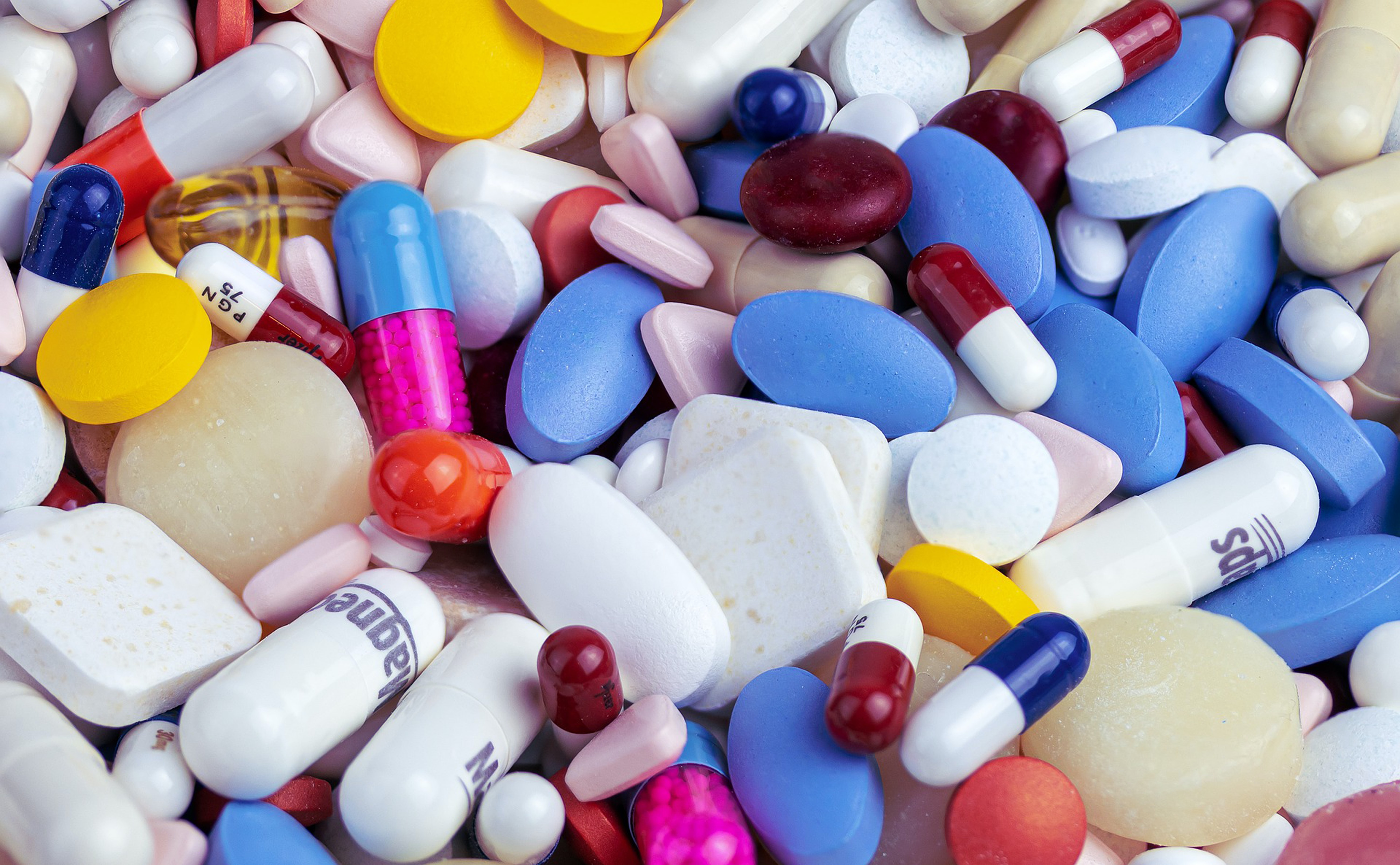
The episode calls out and questions the way we’ve been programmed to accept the effectiveness of vitamins and supplements. The indoctrination starts early. Those candy-like chewable multivitamins are staples of just about everyone’s childhood. That’s why it’s so natural to turn to them during a healthcrisis like the pandemic, especially the ones that claim to prop-up the immune system and help ward off sickness. Who wants to be sick, right?
Zuckerman and her guests examines the effectiveness of supplements like Vitamin C, zinc, Vitamin D, ginger, elderberry, and echinacea. They’ve been ridiculously popular since the early days of COVID-19’s march across the globe.
“At the start of this pandemic – sales of zinc more than doubled… and elderberry? Quadrupled. One manufacturer said that demand for the busiest immune-boosting ingredients surged so fast that it would quote ‘make your head swim.’”
So do any of them actually work?
Turns out, the best of the lot is an old stalwart: Vitamin C. This isn’t entirely unexpected since troves of data has accumulated since Linus Pauling first championed L-ascorbic acid in 1970 with his book, Vitamin C and the Common Cold.
Zuckerman spoke with Carol Johnston, a nutrition professor at Arizona State University, about the effectiveness of Vitamin C. Johnston recounts a small experiment she ran consisting of 30 college students broken into two groups. One received Vitamin C capsules while the other received placebos. For eight weeks, the students were monitored during cold and flu season. The subjects also maintained journals.
According to Johnston, “When we got all the data, we plotted it every day for 56 days and it was very clear that there was less cold and flu symptoms in the group that had the vitamin C.”
A quick search on Google Scholar yields countless studies that support Johnston’s findings. Zuckerman sums up the consensus, “”Taking Vitamin C probably won’t stop the average person from getting sick in the first place. But when people do catch a cold — people don’t feel so crap so the symptoms aren’t so severe.
In other words, Vitamin C works… kinda.
If you’re curious about how effective the other supplements are, you’ll have to give the Science Vs. podcast a listen. We’ve saved you the trouble of having to find it.
IMAGE CREDIT: Myriam Zilles


Leave a Reply