With more than 650 Australians diagnosed with malignant mesothelioma last year, Flinders University is leading new research to discover alternatives to chemotherapy and even prevent deaths by early detection in future.
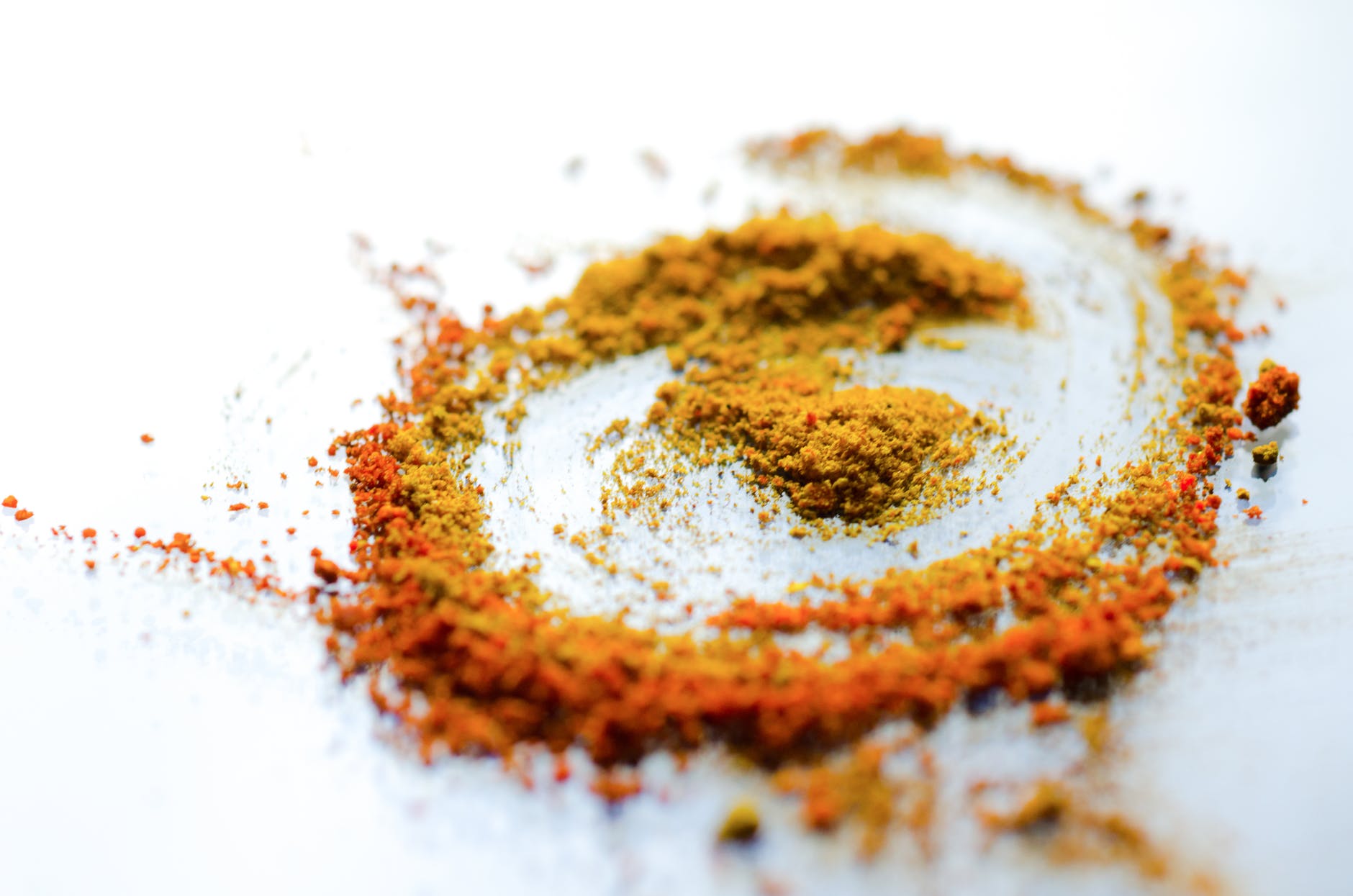
One novel approach, using natural therapeutic benefits of curcumin, a key component of the spice turmeric, will be put to the test in a clinical trial in 2021 as part of world-leading research at Flinders University.
To coincide with Asbestos Awareness Month in November, the Flinders experts warn the high number of cases could persist for years with hundreds more cases of the deadly disease possible after latency of more than 30 years from work-related (builders, plumbers, gasfitters, mechanics and marine engineers) or other exposure. Firefighters may also be at risk after the devastating bushfires razed old buildings and sheds across Australia.
While asbestos is now banned from being used for new buildings, many houses still contain asbestos, so exposure during renovations is common. Australia has one of the highest per-capita rates of asbestos-related disease in the world.
Flinders University researchers led by Associate Professor Sonja Klebe are studying the safety and feasibility of using a form of intrapleural liposomal curcumins to benefit patient survival and quality of life – with fewer toxic side-effects than chemotherapy.
“That’s why it’s important to explore alternative therapies and facilitate early diagnosis to reduce suffering and support early intervention measures,” says Flinders University lead researcher Associate Professor Sonja Klebe.
As well, the researchers are looking for early diagnostic methods with a special lung fluid test. “In most cases, malignant mesothelioma is not diagnosed until it is in the late stages,” she says. “We’re hoping to find a way to test for the disease before it becomes invasive.”
Patients diagnosed with malignant mesothelioma, the cancer caused by asbestos exposure, experience poor survival of 6-12 months following diagnosis and a five-year survival of less than 5%. Therapeutic options are limited due to high resistance rates to chemotherapy and the advanced age of patients (median age 75).
Associate Professor Klebe’s team will test the safety and feasibility of intrapleural liposomal curcumin to benefit patient survival and quality of life. Future treatments are expected to have fewer toxic side-effects than chemotherapy.
In addition, the researchers are investigating methods to facilitate early diagnosis, using novel techniques on the lung fluid that is drained in the early stages of diagnosis.
“In most cases, malignant mesothelioma is not diagnosed until it is in the late stages,” she says. “We’re hoping to find a way to test for the disease before it becomes invasive.”
The Asbestos Victims Association (SA) supports the research initiative, based at Flinders University’s Doug Henderson research laboratory.
President of the Asbestos Victims Association Peter Baxter, who was exposed to workplace asbestos, is one of the volunteers campaigning to raise awareness during Asbestos Awareness Month
“I now suffer from asbestosis, and have lost two of my managers (from James Hardie), from this terrible cancer mesothelioma,” says Mr Baxter, 80, of Davoran Park.
“We look forward to working with the Flinders Uni researchers and other campaigners to promote further awareness and raise funds for more studies.”

Leave a Reply