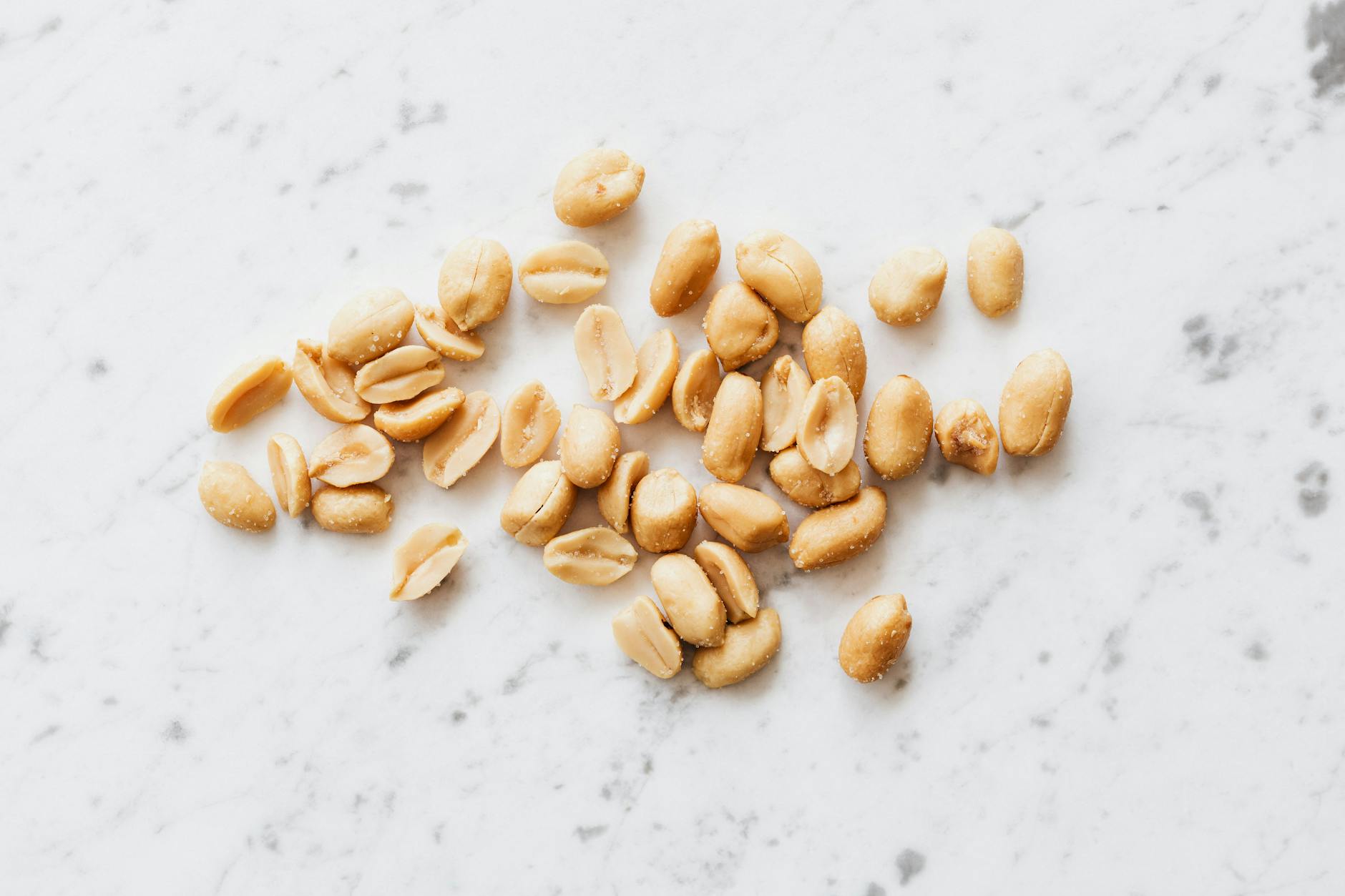
When is food simply nourishing and enjoyable, and when does it provoke an allergic reaction? The answer appears to lie in the balance of microbes that live in our intestine — and a specific protein secreted by intestinal goblet cells that influences that balance.
Excess amounts of this protein, RELMb, changes the profile of intestinal microbes in a way that cause the body not to tolerate certain triggering foods, finds a new study from Boston Children’s Hospital just published in Nature.
“We also showed that RELMb is increased in children with food allergy,” says Talal Chatila, MD, who co-led the study with Seth Rakoff-Nahoum, MD, PhD. Emmanuel Stephen-Victor, PhD, in the Chatila lab and Gavin Kuziel, a PhD student in the Rakoff-Nahoum, lab were co-first authors.
The good news is that RELMb can potentially be inhibited if children are found to have it in high amounts, raising the possibility of preventing or even curing food allergy.
Through multiple studies in intestinal organoids and mouse models, the researchers found that RELMb disrupts the body’s tolerance of triggering food antigens, and that does so by depleting certain bacterial species in the intestine that produce compounds known as indoles. The team also showed that indoles and indole derivatives — which are depleted in children with food allergy — spur the production of protective, long-lasting T regulatory cells that recognize food allergens as harmless.
“RELMb is orchestrating changes in the gut microbiome,” elaborates Chatila. “If there is too much RELMb, it instructs goblet cells to produce anti-microbial proteins that kill the microbes that normally confer immune tolerance.”
In mice genetically prone to food allergy, blocking RELMb soon after weaning led to production of T regulatory cells, restoring their tolerance to food allergens and preventing food allergy — and anaphylaxis — from developing later in life. The opposite was also true: giving RELMb to mice not prone to food allergy made them allergic.
“Not only does connecting RELMb to food allergy have therapeutic implications, but knowing which microbes RELMb affects and how these microbes prevent food allergy can influence therapies as well,” Rakoff-Nahoum notes.
Sign up for the Daily Dose Newsletter and get every morning’s best science news from around the web delivered straight to your inbox? It’s easy like Sunday morning.
The research hints at the possibility of providing a preventive treatment or cure for food allergies by restoring the immune system’s tolerance of the foods, rather than just treating the symptoms. Either RELMb or its as-yet unidentified receptor could potentially be targeted.
“Current therapies for food allergy, such as oral immunotherapy or anti-IgE antibodies, are not known to be permanently disease-modifying,” says Rima Rachid, MD, a coauthor on the paper and director of the Food Allergy Program at Boston Children’s Hospital. “If patients stop these therapies, they become sensitized again.” There is an unmet need for therapies that, if not curative, permanently reduce the severity of allergic reactions or increase the amount of food a person can safety eat, she says.
The researchers have applied for a patent on their discoveries and plan to do more human studies to see if RELMb is a biomarker of children at risk for food allergy. Eventually, they hope to test inhibitors of RELMb or its receptor in clinical trials.
IMAGE CREDIT: Kaboompics.com.


Leave a Reply