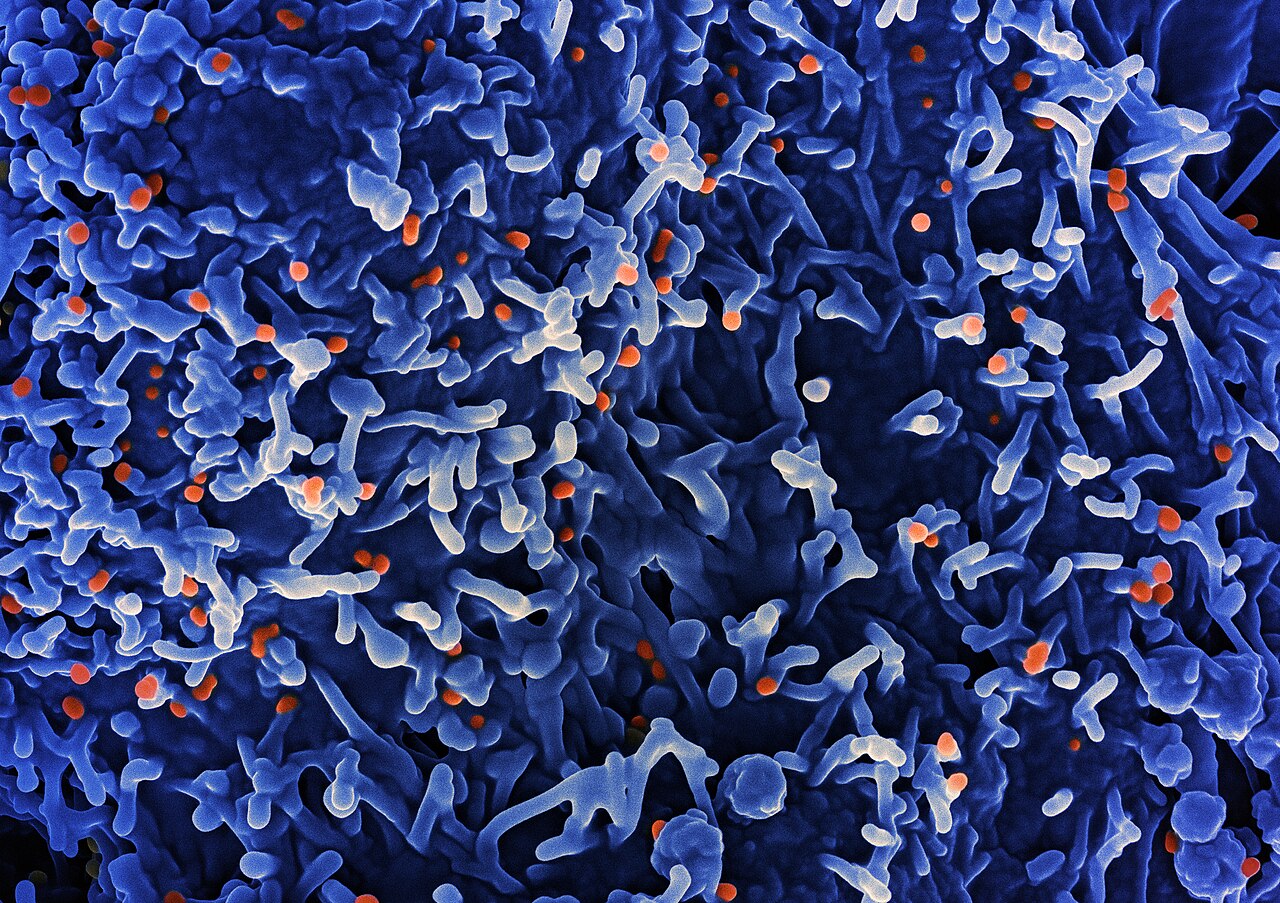
TECOVIRIMAT NOT EFFECTIVE FOR CLADES I MPox PATIENTS
A recent clinical trial in the Democratic Republic of the Congo (DRC) revealed that the antiviral drug tecovirimat did not significantly accelerate healing for patients with the clade I strain of monkeypox, which is considered more lethal than clade II. Despite its use in treating mpox, tecovirimat’s effectiveness remains uncertain due to limited clinical evidence. The trial, involving 597 participants, showed that tecovirimat did not reduce mpox symptom duration compared to a placebo, although mortality rates were lower than average in the DRC. The World Health Organization and Africa CDC have declared public health emergencies due to the spread of clade I, which has recently been reported in Sweden. The trial’s findings underscore the importance of high-quality care in improving recovery outcomes and highlight the need for further research to identify which patient groups might benefit from tecovirimat. Meanwhile, vaccine availability in Africa remains limited, although the European Union has committed to donating doses. (Nature)
ECDC WARNS OF CLADES 1 MPox IMPORTS RISK
Following Sweden’s report of the first novel clade 1 mpox case outside Africa, the European Centre for Disease Prevention and Control (ECDC) has warned that more imported clade 1 infections are likely and urged countries to enhance preparedness. The case in Sweden aligns with recent public health alerts from the Africa Centre for Disease Control and Prevention and the World Health Organization. The ECDC advises countries with strong travel links to Africa to issue travel warnings and emphasizes that the risk is high for those in close contact with affected communities but moderate for those in contact with Europeans having clade 1 mpox. In Africa, clade 1 mpox is predominantly spreading in the Democratic Republic of the Congo, with sexual and respiratory transmission noted. The UK Health Security Agency has classified clade 1 as a high-consequence infectious disease, urging vigilance. Meanwhile, Doctors Without Borders calls for increased vaccine donations and accessibility to combat the outbreak. (CIDRAP)
If you’re enjoying the Daily Dose, sign up for the Daily Dose Newsletter and get the morning’s best science news from around the web delivered straight to your inbox? It’s easy like Sunday morning.
GLOBAL TOURISM SOARS 20% BUT FACES CHALLENGES
Today, global tourism has surged dramatically due to increased incomes, accessible transportation, and a growing travel culture. In the first three months of 2024, international tourism reached 285 million travelers, a 20% increase from the previous year. The tourism sector significantly impacts the global economy, with revenues exceeding $1.7 trillion in 2023 and contributing 3% to global GDP. However, this boom has led to challenges such as overcrowding, rising prices, and environmental strain. Critics, including Ahmed Al Khateeb and José Masilla, argue that mass tourism creates significant disruptions and deteriorates communities. Japan’s approach to managing tourism includes new fees and fines, while the Cittaslow movement advocates for slower, more sustainable tourism. It’s crucial to address these issues to ensure that tourism benefits both visitors and local residents without causing harm. (El Pais)
JAPAN’S ECOFEED TURNING FOOD WASTE INTO PIG FEED
Rachel Nuwer explores a novel fermentation method in Japan that transforms edible food scraps into sustainable pig feed, addressing waste reduction and emissions. Koichi Takahashi, driven by a desire to protect the environment, founded the Japan Food Ecology Center to create a circular economy model using local food waste for pig feed. Japan, facing challenges with food self-sufficiency and high waste incineration costs, throws away 28.4 million tonnes of food annually, contributing to pollution and greenhouse gas emissions. Takahashi’s initiative leverages ancient Japanese fermentation techniques to develop “ecofeed,” a lactic acid-fermented, liquified pig feed. This method, which took years of development and troubleshooting, results in a product with a 70% lower greenhouse gas footprint compared to imported feed. The ecofeed is shelf-stable for up to 10 days and reduces reliance on imported feed, aligning with Japan’s climate goals and addressing food waste. (BBC)

NIH ACKNOWLEDGES BIAS IN FOREIGN TIES INVESTIGATION
This week, NIH Director Monica Bertagnolli acknowledged concerns that the agency’s six-year investigation into unreported foreign ties among NIH grantees has disproportionately targeted Asian and Asian American scientists, especially those of Chinese descent. Her statement includes plans to clarify reporting guidelines and repair relationships with affected researchers. This recognition comes as the NIH’s probe, which began under the Trump administration’s China Initiative, continues despite the DOJ’s effort ending in 2022. Critics argue that the investigation, which has led to the termination of 112 scientists, involved racial profiling and caused significant career damage due to misunderstood reporting requirements. While some welcome the new policies and efforts to rebuild trust, others feel they are insufficient and call for apologies and improved due process. Researchers and organizations are urging for more comprehensive measures to address past injustices and prevent future biases. (Science)
VICTORIAN VAULTS DISCOVERED DURING LONDON MUSEUM CONSTRUCTION
During construction at the new London Museum site at Smithfield Market, a contractor’s accidental breakthrough revealed an unexpected treasure: a vast network of Victorian brick vaults. Hidden behind a bricked-up wall, the discovery uncovered an 800-square-meter labyrinth of arches and columns, larger than three tennis courts. The vaults, built in the 1880s, likely served as storage for goods or possibly as stabling for packhorses. The meticulous construction, featuring rounded bricks for better navigation in low light, reflects a level of craftsmanship akin to cathedral building. The unexpected find led to a scramble for additional funding from the City of London Corporation to incorporate these vaults into the new museum plans, which are set to open in 2026. While initially not part of the budget, the restored vaults will offer visitors a chance to explore this hidden part of London’s history, enhancing the museum’s appeal and connection to the city’s past. (The Guardian)
ANCIENT SEA SCORPIONS REVEALED AS TRANS-OCEANIC TRAVELERS
Modern scorpions are small, but during the Paleozoic era, sea scorpions, or eurypterids, were colossal apex predators, some growing over nine feet long. New research led by Dr. Russell Bicknell, published in *Gondwana Research*, reveals these giant sea scorpions were capable of trans-oceanic travel. Fossils found in Australia, once thought to be fragments, are now identified as belonging to Pterygotus and the largest known species, Jaekelopterus. These findings suggest that sea scorpions crossed vast distances between ancient supercontinents, a journey that could span thousands of miles. Despite their dominance, eurypterids vanished abruptly after the Devonian period, leaving scientists puzzled about their sudden extinction. Understanding their global reach could provide insights into why these massive arthropods thrived briefly before disappearing from the fossil record. (New York Times)
Thanks for reading. Let’s be careful out there.
WORDS: The Biology Guy.
IMAGE CREDIT: NIAID.
Leave a Reply