
A role for endosomes?
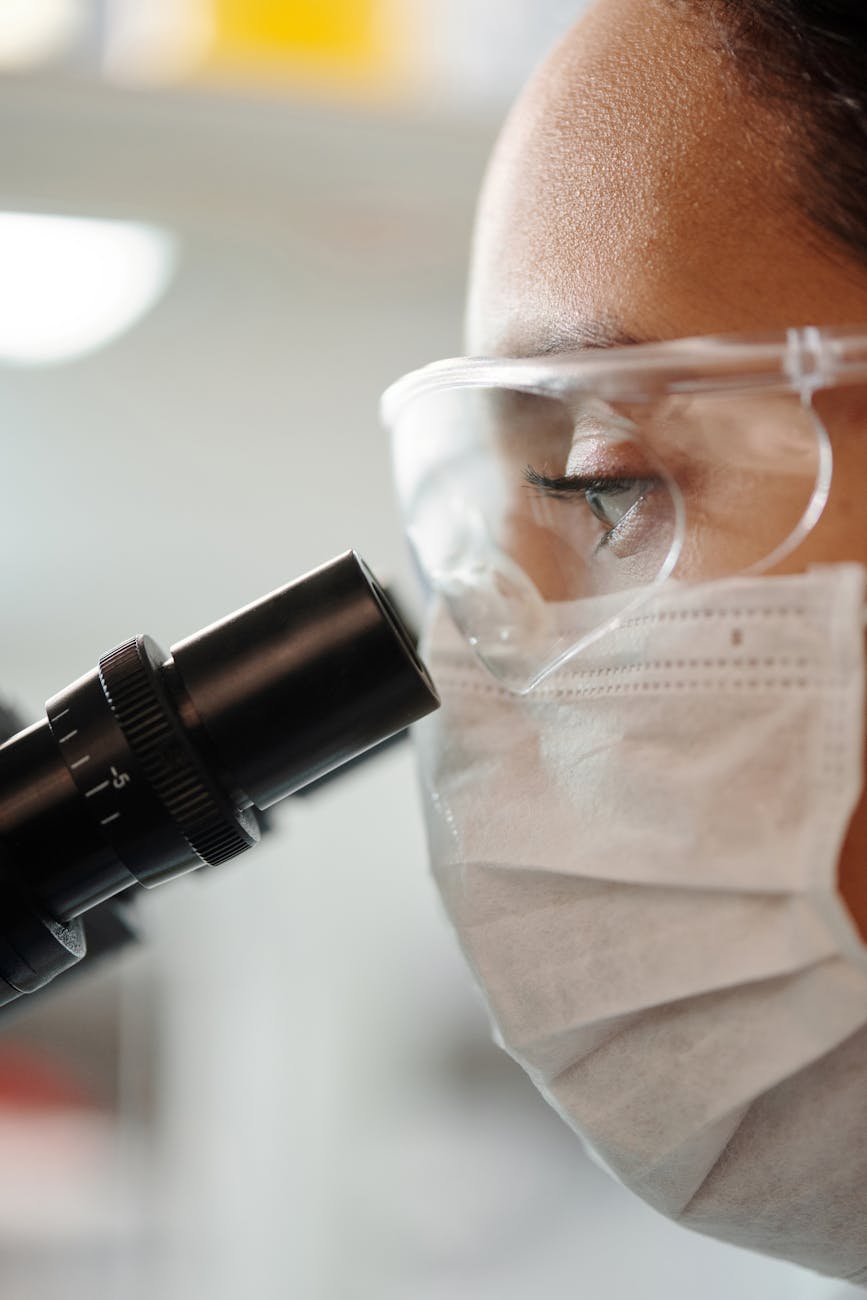
“It is undisputed that the presence of TMPRSS2 makes the entry of virus particles into host cells more efficient,” explains Richard Brown, “but there were still many unanswered questions: How exactly does cell entry improve? What happens in the cell afterwards? Does this effect only work in humans?” To get to the bottom of these questions, the researchers used an electron microscope to directly compare viral entry into cells expressing either the ACE2 receptor alone, with cells that express both ACE2 and TMPRSS2 together. As expected, they were able to see that the presence of TMPRSS2 improved virus uptake. “Contrary to previous assumptions, however, it was shown that TMPRSS2-mediated cell entry is associated with increased virus uptake into specific cellular vesicles: endosomes,” explains Brown. “Until now, this entry pathway was thought to bypass endosomes. These observations were unexpected and further detailed studies are needed.”
Furthermore, the researchers observed that the more recent Omicron variant also benefits from the presence of the TMPRSS2 protein in the same way as older variants. “Although the Omicron variant does not require TMPRSS2 to enter, virus uptake into host cells is also significantly increased when it is present,” says Brown.
What happens after entry
The researchers also wanted to know what happens after the virus particles enter the host cells. They were able to show that for all tested variants, a more efficient TMPRSS2-mediated entry into host cells led to increased viral genome replication, followed by increased virus production. Infected cells react to this with a stronger immune response, which leads to faster death. The increased immune response has an influence on the evolution of the virus. If the host cells react more strongly, viruses with certain mutations prove to be advantageous and prevail.

The entry enhancing effects of TMPRSS2 are not limited to human hosts, but can also be observed in other mammals, including so-called reservoir species, which are natural hosts of coronaviruses in the wild. “Taken together, our data confirm that TMPRSS2 broadly promotes initial infection at the virus-host interface and influences the outcome of infection, with different mammalian species having the potential to influence the ongoing evolution of Sars-Cov-2,” summarizes Richard Brown.
IMAGE CREDIT: NIAID
Sign up for the Daily Dose Newsletter and get the morning’s best science news from around the web delivered straight to your inbox? It’s easy like Sunday morning.


Leave a Reply